
In September 2026, patients at Barishal’s two main hospitals faced three to four hours of load shedding a day — while the backup generator stood ready but without fuel. Solar cannot replace a hospital’s life-safety backup, but it can cut its fuel and electricity costs and keep many essential services running.
Updated October 2026 · Written and reviewed by the Frostec Solar Powers engineering team
- At Barishal General Hospital and Sher-e-Bangla Medical College Hospital (Sept 2026), outages of 3–4 hours a day disrupted operating theatres, critical care, ward fans and lifts.
- Life-critical loads (OT, ICU, NICU, ventilators) must stay on UPS and generator with automatic transfer — solar supplements, it does not replace.
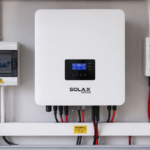
- Hybrid solar can carry essential loads: ward fans and lights, lab and vaccine fridges, pharmacy and IT.
- With a generator, solar needs a controller so it never feeds power back into the generator.
- Public hospitals can use the OPEX model; private clinics often recover CAPEX in a few years.
What happened in Barishal
As reported on 7 September 2026, the Barishal grid supplied about 50–55 MW against demand of 85–90 MW. Patients at Barishal General Hospital and Sher-e-Bangla Medical College Hospital faced 3–4 hours of load shedding a day. Operating theatres and critical care units struggled, ward fans stopped and the lift was out of service. The generator was ready, but there was no allocation for fuel. About 400 patients are admitted daily, with more than 500 relatives.
The lesson: a backup that depends on fuel deliveries can fail when fuel or budgets run short. Solar produces energy on site every sunny day.
Three tiers of hospital loads
| Tier | Examples | Right power source |
|---|---|---|
| 1. Life-critical | Operating theatre, ICU, NICU, ventilators, oxygen concentrators | Online UPS + generator with automatic transfer switch. Solar can supplement but never be the only source. |
| 2. Essential | Ward fans and lights, lab equipment, vaccine and blood fridges, pharmacy, IT, nurse call | Hybrid solar with battery on a dedicated backup board |
| 3. General | Air conditioning, lifts, laundry, kitchen, outdoor lighting | Grid and generator; on-grid solar reduces the daytime bill |
Solar and the generator: an important engineering detail
An ordinary on-grid inverter treats a running generator like the grid and keeps exporting. If solar output exceeds the load, power can flow back into the generator and damage it. A proper design uses a solar–diesel controller (zero-export control) that keeps solar output just below the load, so the generator always carries a minimum share. The result: the generator burns less fuel during daytime outages, and the solar keeps working instead of shutting down. This is the kind of detail covered in the hidden engineering behind a rooftop array.
Example: a 20-bed private clinic
- Daytime load: roughly 15–25 kW (fans, lights, lab, pharmacy, some AC).
- On-grid solar: 20 kW producing about 20 × 3.8 ≈ 76 units a day (≈ 2,280 a month).
- Value: at about ৳13–14 per unit commercial daytime rate, roughly ৳30,000–32,000 a month.
- Indicative cost: about ৳6.4 lakh at ৳32 per watt — a simple payback of under two years, before maintenance.
- Add a battery sized for Tier 2 loads to keep wards and fridges running during outages — see how to size backup.
Public hospitals: no upfront cost
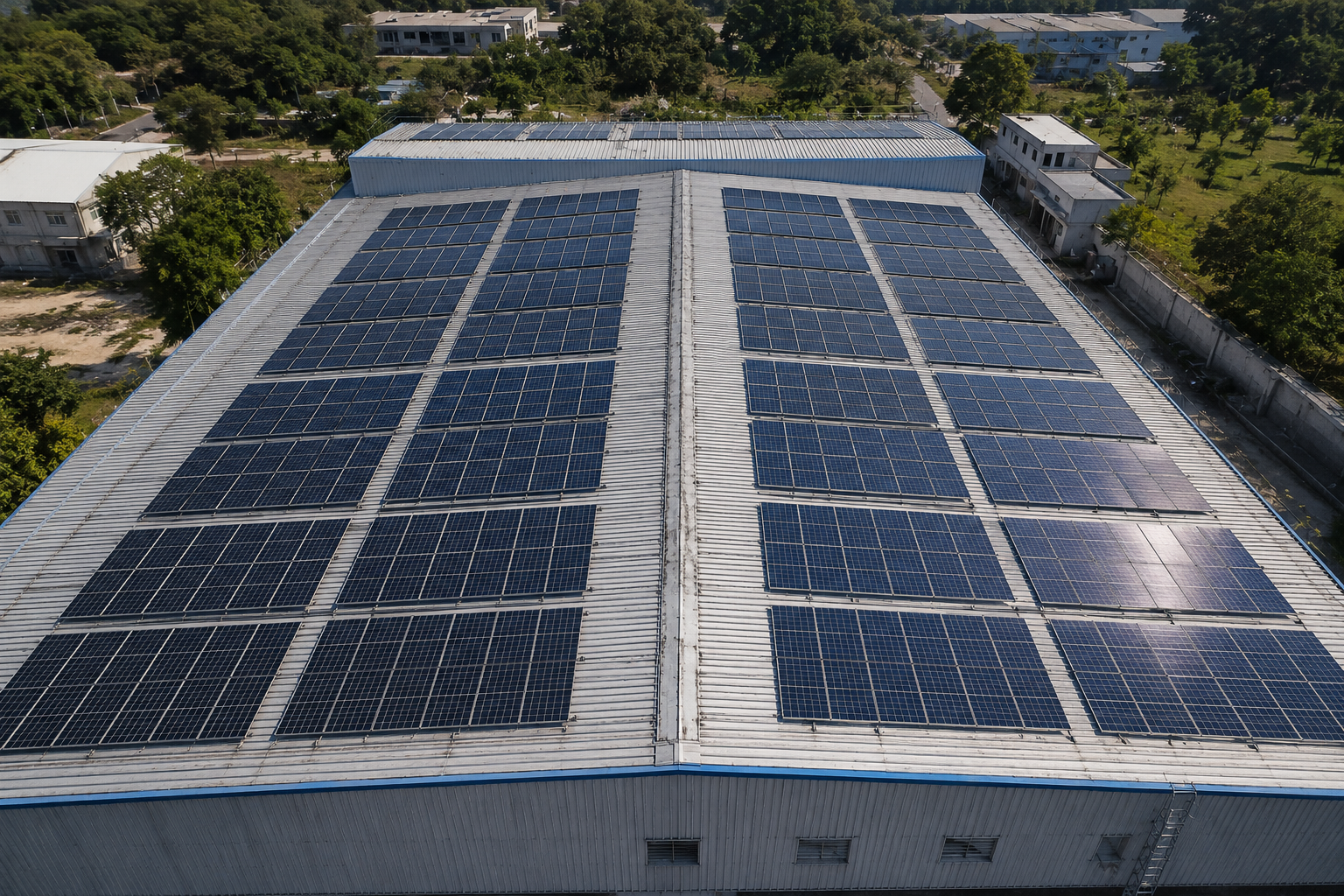
Government institutions are directed to use the OPEX model for new rooftop solar, and the Special Solar Power Installation Ordinance, 2026 provides a standard agreement for it. A solar company finances, installs and maintains the system; the hospital buys the electricity. See the ordinance explained. Private hospitals can use concessional loans — see solar loans.
Rural health centres and vaccines
For community clinics and upazila health posts with unreliable power, solar-powered vaccine refrigerators and small hybrid systems keep the cold chain safe and lights on for night deliveries. See Off-grid Solar for sites with weak or no grid.
Frequently Asked Questions
Can solar power a hospital during load shedding?
Solar with batteries can keep essential loads running — ward fans and lights, lab and vaccine fridges, pharmacy and IT. Life-critical loads such as operating theatres and ICUs must remain on UPS and generator with automatic transfer.
Can solar work together with a hospital generator?
Yes, with a solar–diesel controller that keeps solar output below the load so no power flows back into the generator. This reduces fuel use during daytime outages.
How much can a clinic save with solar?
A 20 kW on-grid system produces about 2,280 units a month. At a commercial daytime rate of about ৳13–14 per unit, that is roughly ৳30,000–32,000 a month.
Can government hospitals install solar without a budget?
Yes. Public institutions are directed to use the OPEX model, in which a solar company finances, installs and maintains the system and the hospital buys the electricity.
What about rural clinics without reliable power?
Small hybrid or off-grid systems and solar-powered vaccine refrigerators keep essential services and the vaccine cold chain running.
Design Solar for Your Hospital or Clinic
We map your loads into tiers, integrate solar safely with your generator and UPS, and show the savings and backup hours.
Questions? Call or WhatsApp +880 1805-208117 or email info@frostecsolarpowers.com. Figures in this article are indicative and approximate; final values depend on your site survey, design and the manufacturer terms of the equipment supplied.