
Solar Design Starts Before Price
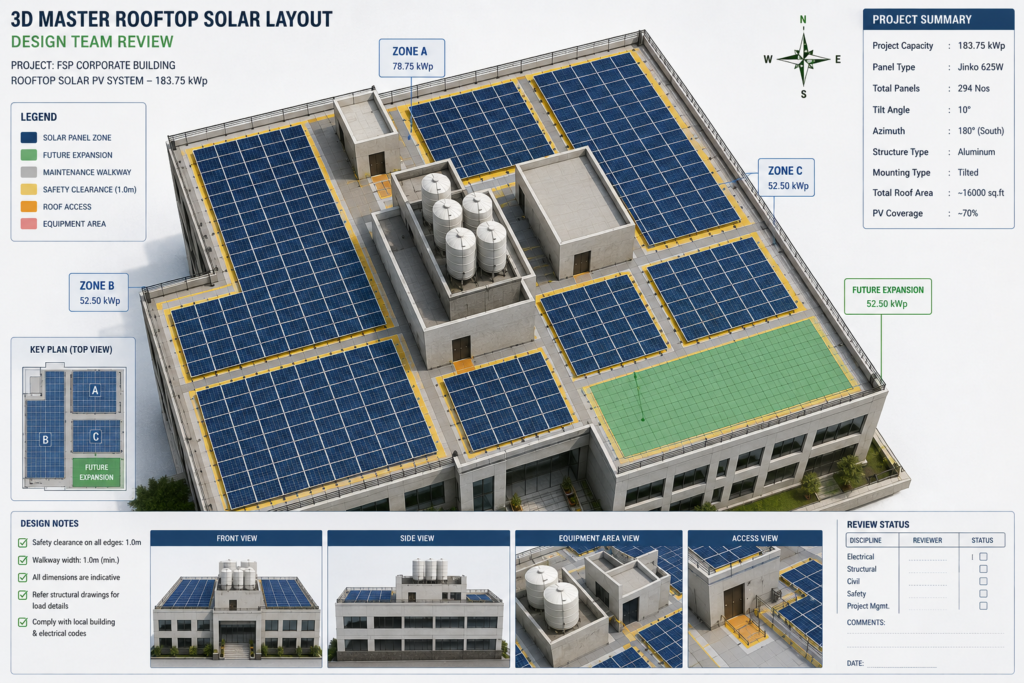
FSP studies load, roof condition, cable route, safety requirements, inverter selection, battery need, future expansion, and long-term performance before recommending a solar system.
Why It Matters
A Solar System Should Be Designed Before It Is Priced
Price-first quotation is the root of most underperforming solar systems. Here is what it costs you.
Price-First Creates Risk
A number without a design hides what was left out — until it fails.
Wrong Size Hurts Performance
Over- or under-sized systems waste money or fall short for years.
Poor Routing Adds Loss
Bad cable planning quietly drains generation every single day.
Weak Protection = Danger
Skipped SPD, earthing, or breakers transfer risk to you.
No Roof Assessment
Capacity promised without seeing the roof is a guess.
No Maintenance Plan
Without O&M, generation silently declines over time.
Our Mindset
How FSP Thinks About Every Project
- We study before recommending
- We design around real site conditions
- We consider safety from the beginning
- We plan for performance, not just installation
- We think about handover and support before the project is even complete
This is the difference between selling a product and engineering an asset. The engineering is what we actually deliver.
Core Design Factors
The 16 Things We Engineer
Every system, regardless of size, is designed around all of these.
Load Analysis
Real appliances and run hours. Why: correct sizing.
Roof Assessment
Usable area and type. Why: real capacity ceiling.
Shadow Review
Morning-to-evening shading. Why: where panels perform.
Structure Condition
Load-bearing capacity. Why: 20-year safety.
Panel Layout
Tilt, spacing, walkways. Why: yield + access.
Inverter Selection
Sized for surge & running load. Why: reliability.
Battery Requirement
Only when backup is needed. Why: right cost.
Cable Route
Path & voltage drop. Why: minimal loss.
DC Protection
Fuses, isolators, SPD. Why: fault safety.
AC Protection
Breakers & isolation. Why: grid-side safety.
Earthing
Resistance-tested. Why: shock protection.
Lightning Protection
By site exposure. Why: strike safety.
Monitoring
Performance tracking. Why: early fault alerts.
Maintenance Access
Safe servicing space. Why: long-term care.
Future Expansion
Headroom for growth. Why: no early obsolescence.
Handover Documentation
Complete system record. Why: maintenance & warranty.
Design Workflow
From Inquiry to Long-Term Support
Inquiry
Requirement and goal logged.
Data Collection
Project basics gathered.
Electricity Bill Review
Consumption pattern analyzed.
Load Analysis
Real load and backup needs defined.
Site Visit
Roof, shading, and route verified.
Roof Assessment
Structure and area confirmed.
Electrical Review
DB, earthing, connection checked.
System Design
Sized and engineered from real data.
Quotation
Transparent scope and estimate.
Installation Planning
Safe, structured execution plan.
Testing
Electrical and performance validation.
Handover
Documentation and training.
Support / AMC
Maintenance for the system’s life.
Engineering Review Gallery
The Design Process in Pictures
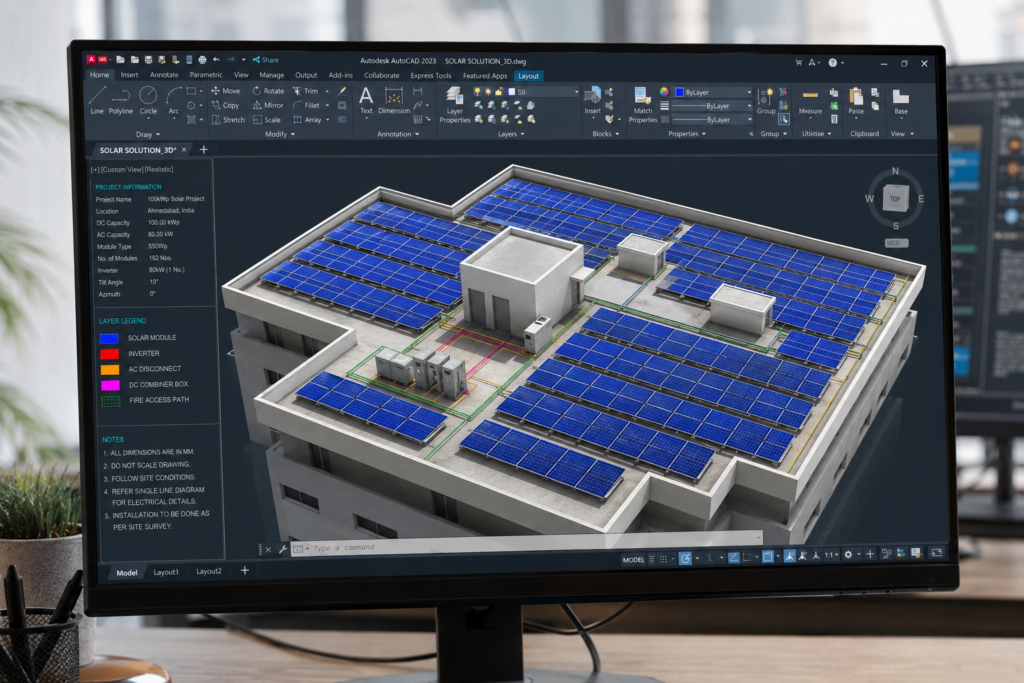
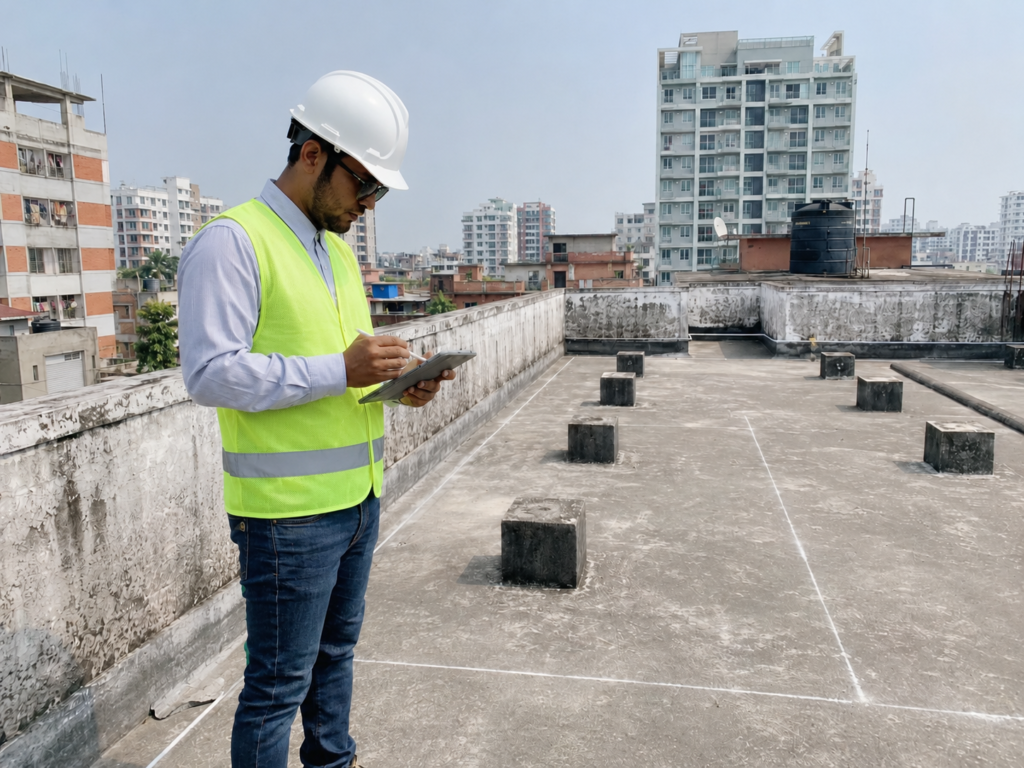
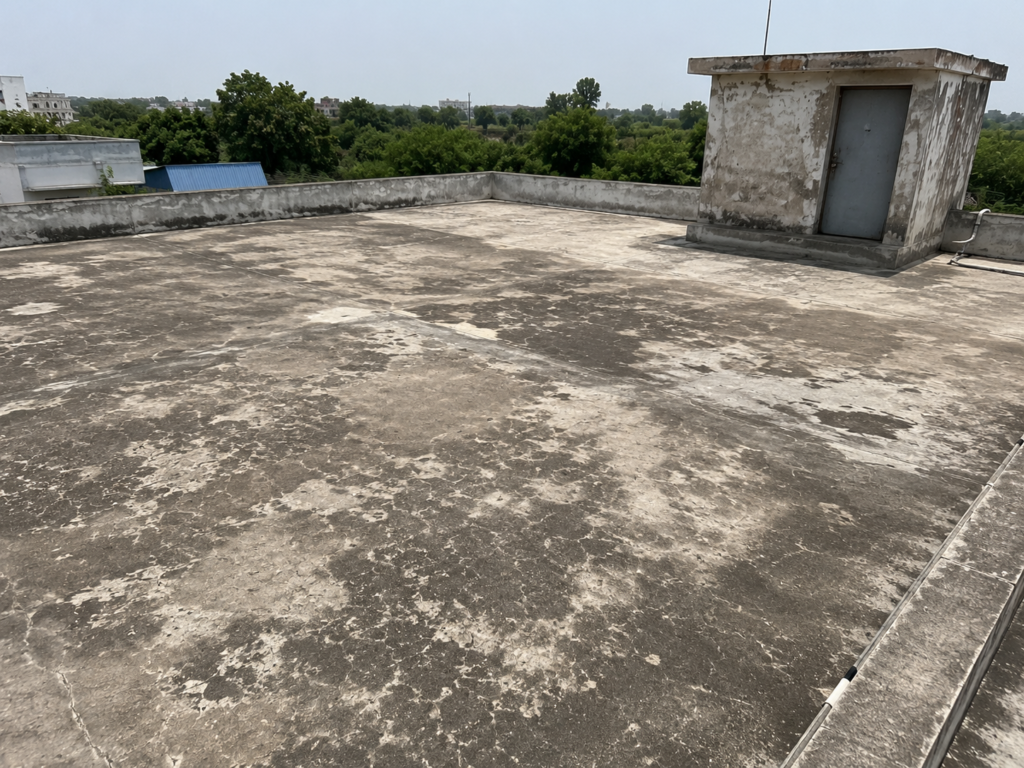
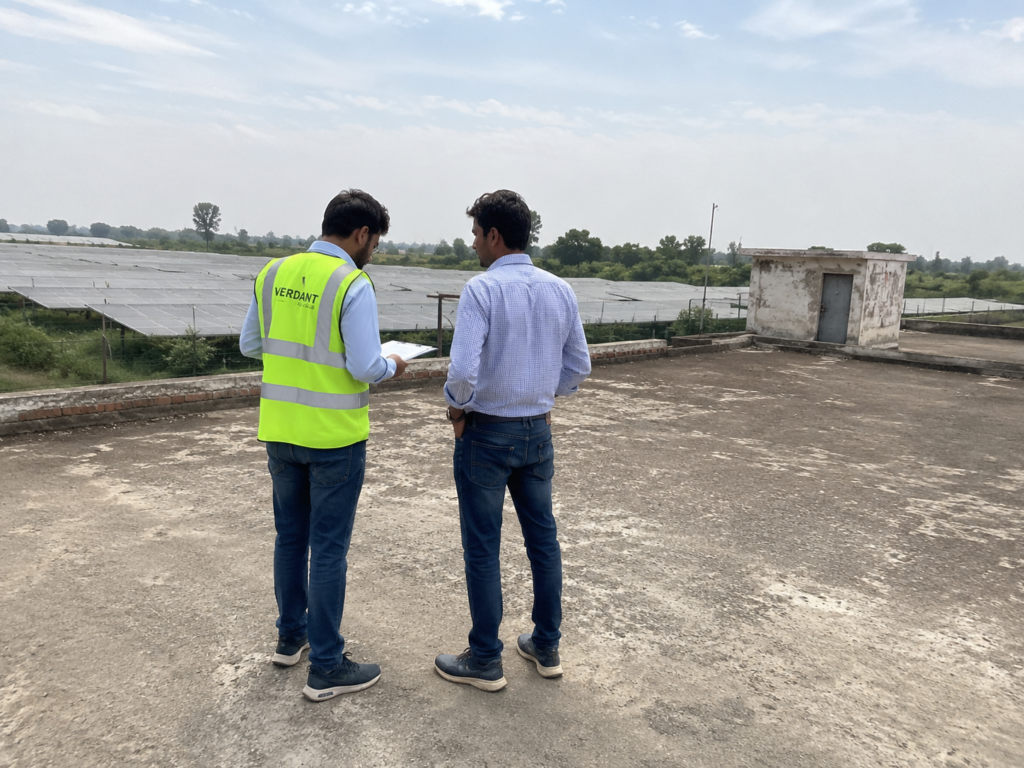
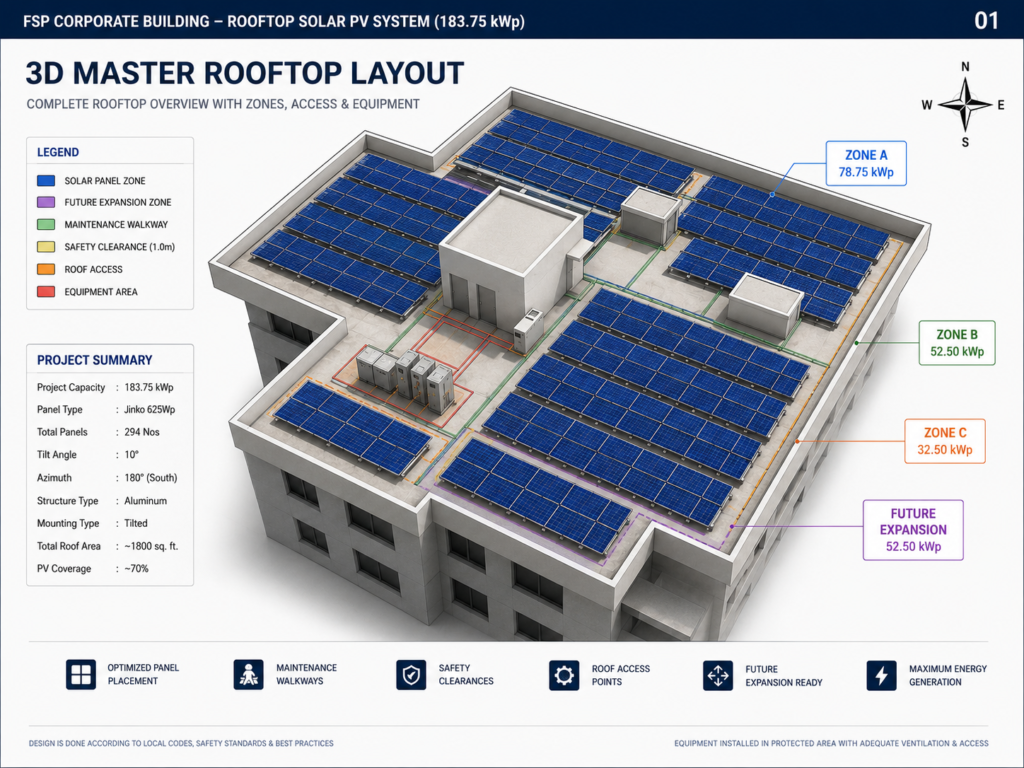
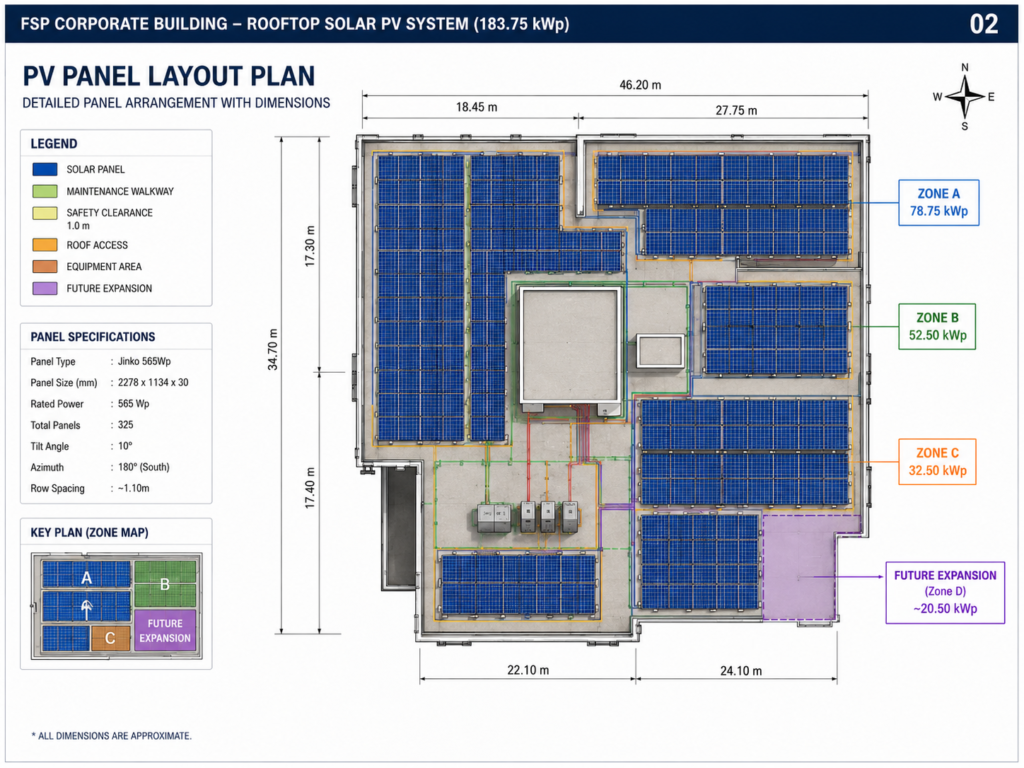
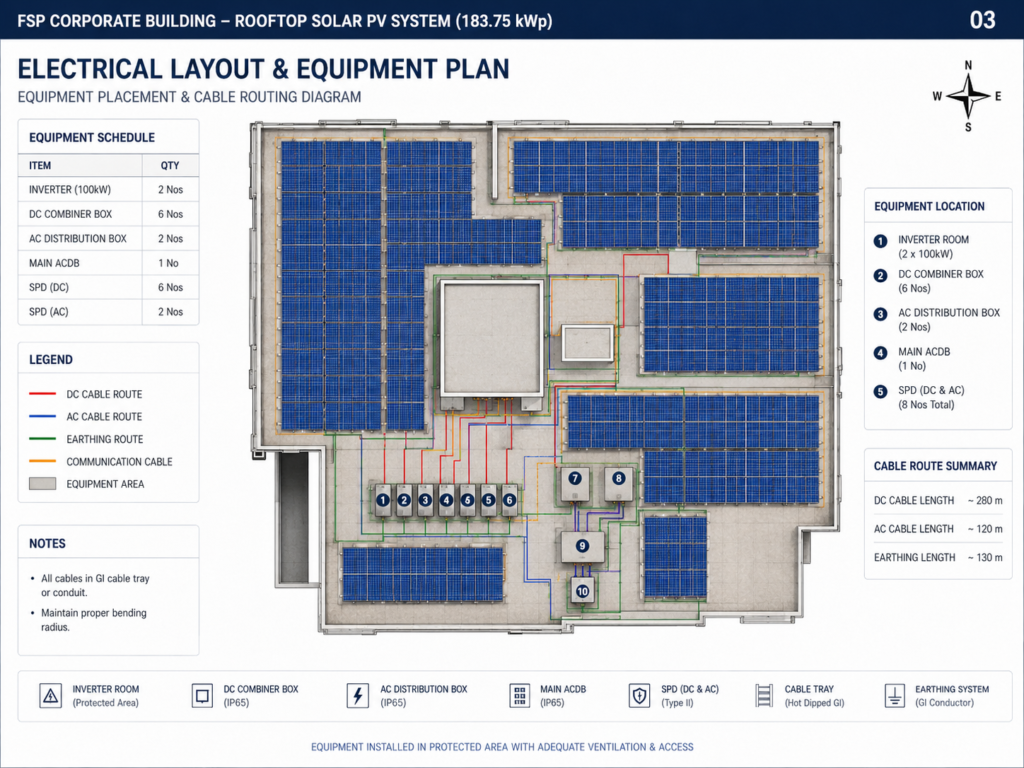
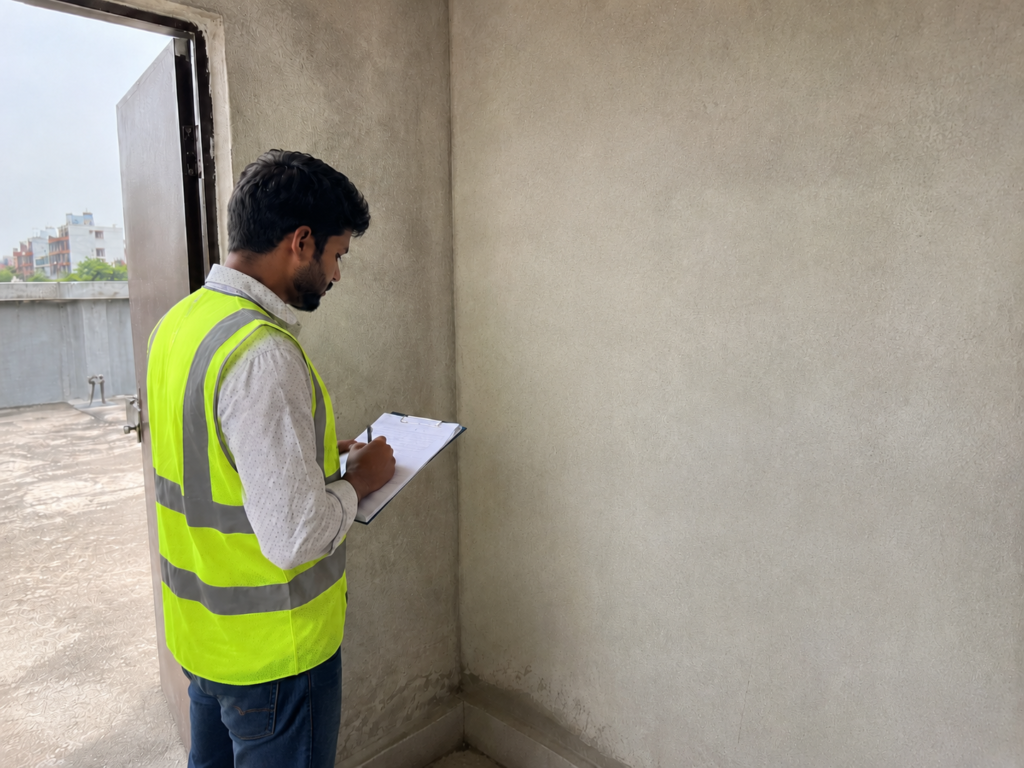
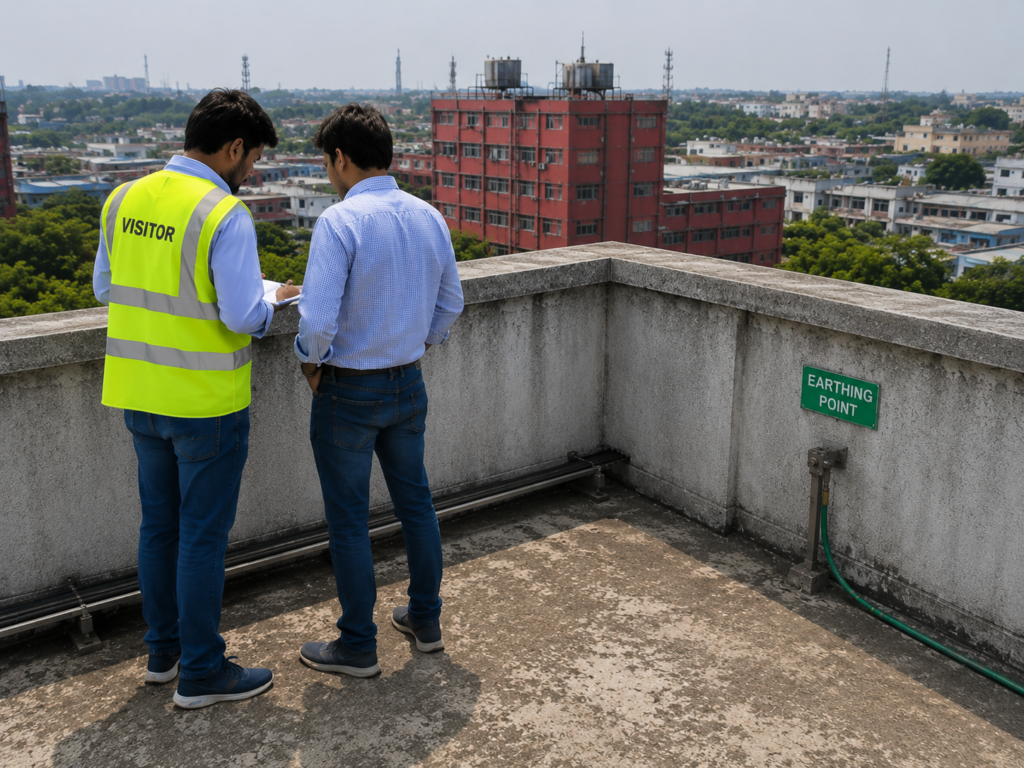
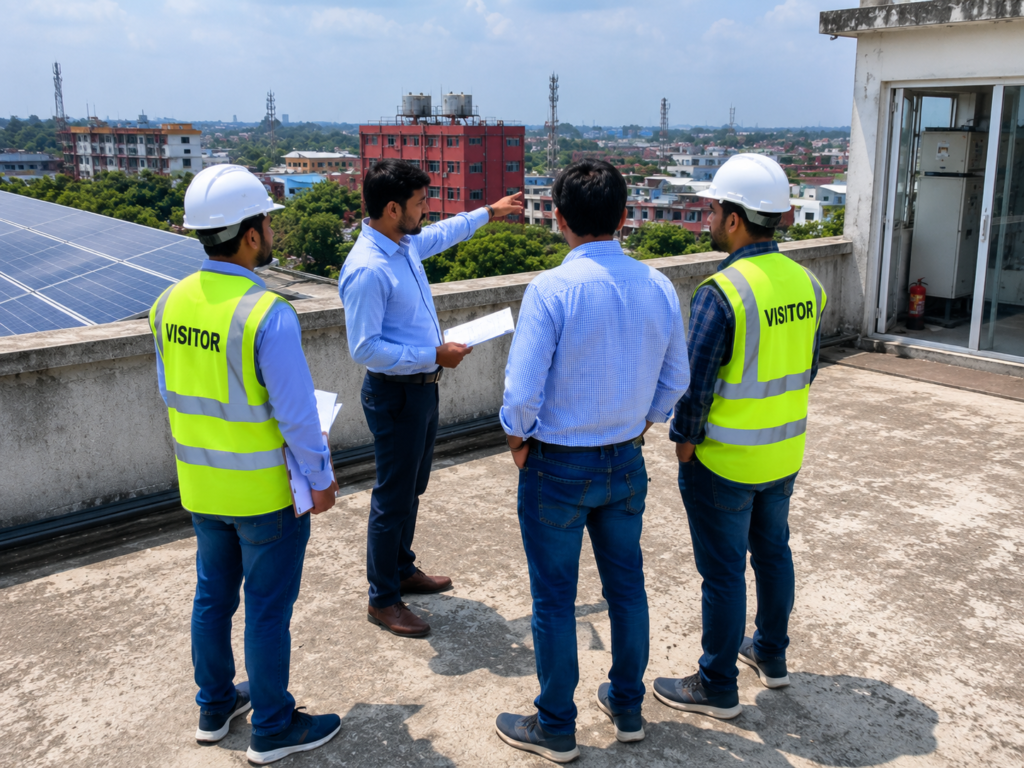
Design review, site inspection, rooftop assessment, cable-route planning, inverter location, protection, and documentation — across our project work.

Load-First
It Starts With Understanding the Load
FSP does not recommend system size from a client’s budget. First, the load must be understood — because the load defines everything downstream.
- Monthly bill
- Unit consumption
- Daily usage pattern
- Peak load
- Surge load
- Essential backup load
- Future load growth
Roof-First
The Roof Decides What Is Possible
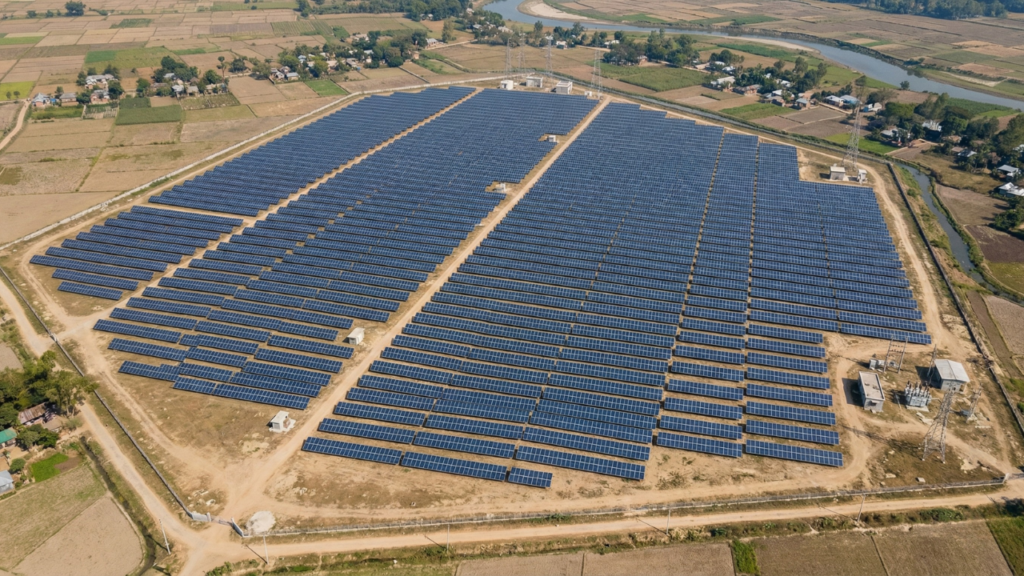
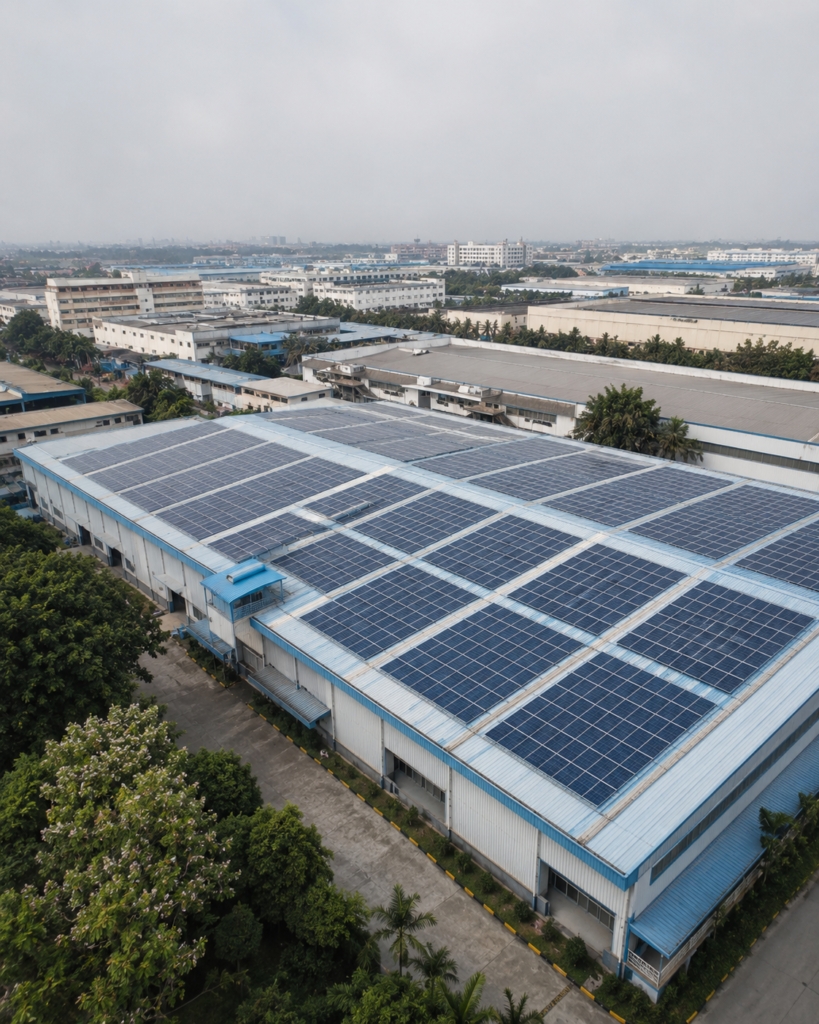
The roof determines how a system can be installed safely and efficiently — and how much capacity it can actually hold.
- Available area
- Roof type
- Roof strength
- Shadow
- Panel orientation
- Walkway
- Maintenance space
- Waterproofing
Cable Route & Loss Control
Routing Decides Safety, Loss & Cost
Cable route affects safety, voltage drop, installation quality, and maintenance. Poor routing reduces performance and creates long-term service problems.
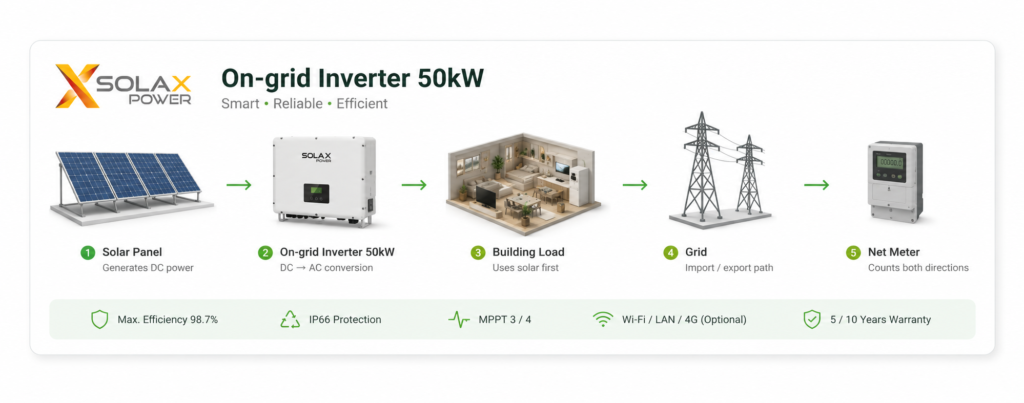
Safety & Protection
Safety Is Designed In, Not Added After
DCDB
DC combining with fault isolation.
ACDB
AC distribution and isolation.
SPD
Surge protection, DC & AC sides.
MCB / MCCB
Correctly rated breakers.
Fuse / Isolator
Safe isolation points.
Earthing
Resistance-tested earthing.
Lightning Protection
By site exposure.
Cable Sizing
For current and heat.
Labeling
Clear identification.
Fire Safety
Fire-safe layout & components.
Built to Last
Expansion & Maintenance Planning
A good design works on day one — and allows maintenance, inspection, cleaning, monitoring, expansion, and support for decades.
Future Panel Expansion
Space and design for added capacity.
Inverter Capacity Planning
Headroom for growth built in.
Battery Upgrade Option
Clear path to add storage later.
Maintenance Walkway
Safe long-term access.
Monitoring Access
Performance always visible.
AMC Planning
Structured maintenance from the start.
Documentation & Handover
A Project Ends With a Complete Record
A professional solar project ends with proper handover, documentation, warranty clarity, and maintenance guidance — not just a working system.
- As-built drawing
- Product datasheets
- Warranty documents
- Test reports
- User guide
- Maintenance guide
- Emergency contact
The Difference
Package-Selling vs Engineering
| Question | Package Seller | FSP Engineering |
|---|---|---|
| Where does the size come from? | A fixed brochure tier | Your measured load & site |
| Is the site checked? | Often skipped | Always — structured survey |
| Battery sizing? | Lowered to cut price | Calculated with losses & margin |
| Protection & earthing? | Minimal / optional | Engineered into every design |
| After handover? | You are on your own | Structured O&M & AMC |
Why Trust FSP
What Design-First Delivers
Design Before Price
Engineering leads, quotation follows.
Review Before Quotation
No price without a real design.
Site Data Before Proposal
Real measurements, not assumptions.
Safety-First Planning
Protection in every design.
Performance-Focused
Layout built for long-term yield.
Documentation Culture
A complete record every time.
Long-Term Support Mindset
Responsibility beyond handover.
Honest Engineering
We’d rather lose a sale than misdesign.
Keep Exploring
Related Pages
Engineering Guides
By Project Type
Start & Support
FAQ
Design Philosophy Questions
What does design-first solar mean?
Why should solar be designed before pricing?
Why does load analysis matter?
Why is roof assessment important?
Why does cable route matter?
Why are earthing and protection important?
Can FSP design residential and industrial systems differently?
Is a site visit required before final design?
Can the system be expanded later?
What documents are provided after installation?
Ready to Design Your Solar Project Correctly?
Before recommending system size or price, FSP reviews your load, roof condition, safety requirements, cable route, protection system, maintenance access, and future expansion plan.