
Solar Pumps Designed for Water Demand & Field Conditions
FSP designs agriculture solar pump solutions based on pump capacity, water requirement, bore depth, running hours, site condition, seasonal use, and system safety — not a one-size-fits-all package.
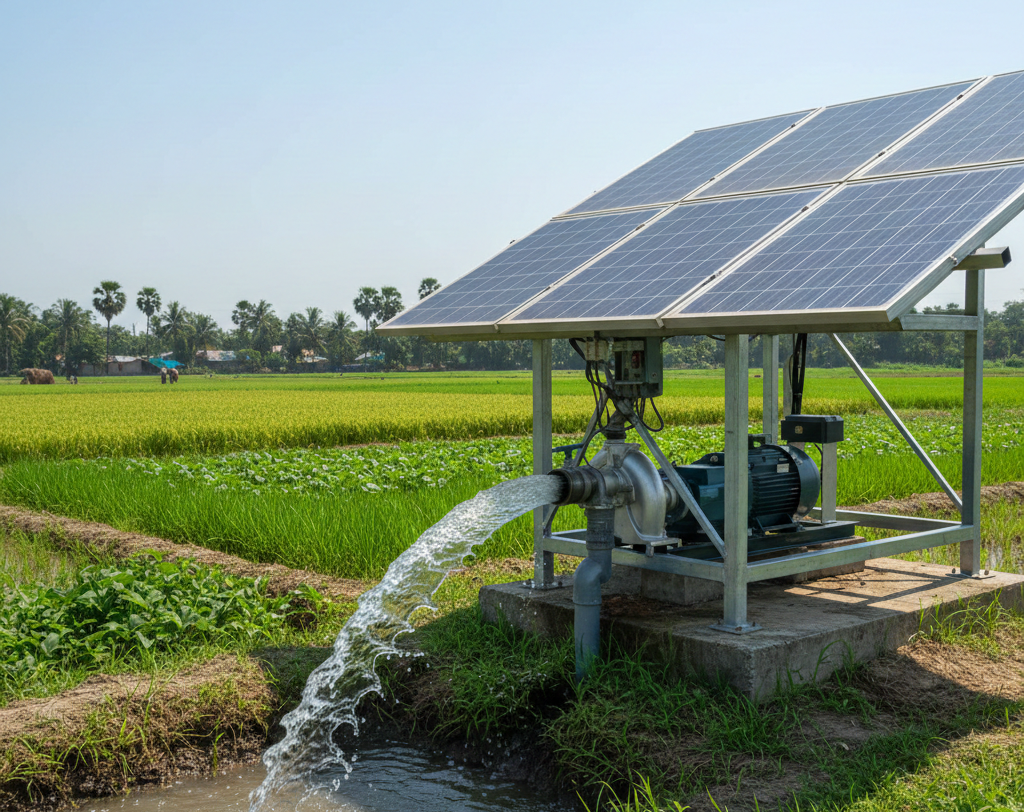
The Problem
Why Diesel and Grid Pumping Hold Farmers Back
Rising Diesel Cost
Fuel price shocks make every pumping season more expensive and unpredictable.
Unstable Grid Supply
Outages stop irrigation exactly when crops need water most.
Irrigation Timing
Power cuts disrupt watering schedules and reduce yield.
Fish Farm Circulation
Ponds need reliable water circulation and aeration to stay healthy.
Remote Land
Fields far from the grid have weak or no reliable electricity access.
Wrong Sizing
Oversized wastes money; undersized fails in peak season — both common.
No Maintenance Support
Many installers disappear after the sale — leaving farmers stranded.
Use Cases
Solar Pumping for Every Agriculture Need
Irrigation Pump
Best for: Boro & seasonal crop fields.
Design focus: Daily water volume & peak-season demand.
Benefit: Fuel-free, scheduled watering.
Fish Farm
Best for: Ponds & aquaculture.
Design focus: Circulation, filling, aeration load.
Benefit: Healthier ponds, lower running cost.
Deep Tube Well
Best for: Deep groundwater sources.
Design focus: Bore depth & water head.
Benefit: Reliable deep-water lifting.
Submersible Pump
Best for: Underground water lifting.
Design focus: Motor load & head pressure.
Benefit: Strong lift without diesel.
Rural Water Supply
Best for: Household & community supply.
Design focus: Daily demand & storage.
Benefit: Independent, fuel-free water.
Agriculture Land Energy
Best for: Farm sheds, lights, small loads.
Design focus: Combined pumping & energy needs.
Benefit: One system for water and power.
Design Factors
What FSP Checks Before Sizing Your Pump
A correct solar pump design depends on all of these — we do not skip any of them.
- Pump HP / kW rating
- Pump type (surface / submersible)
- Water requirement per day
- Bore depth
- Water head (total lift)
- Pipe distance & delivery point
- Daily running hours
- Seasonal usage pattern
- Available panel mounting space
- Controller / inverter selection
- Direct solar vs battery backup
- Cable route
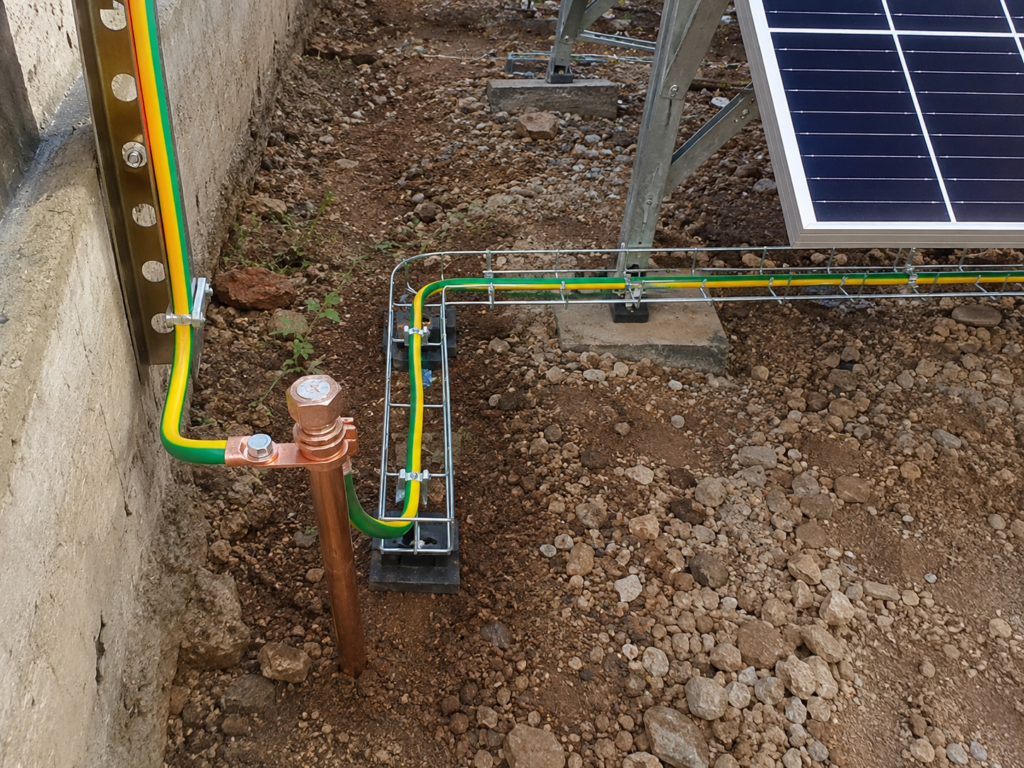
- Protection & earthing
- Maintenance access
Configuration
Direct Solar vs Battery Backup
Direct Solar Pump
- Best for daytime water pumping
- Lower cost — no battery
- Depends on sunlight hours
- Ideal with water storage & irrigation scheduling
Battery Backup Option
- Useful for pumping outside sunlight hours
- Higher cost
- Needs proper battery sizing
- Requires more careful maintenance planning
Pump Load & Water Demand
The Numbers That Size Your System
Here is a worked example showing how the inputs size a system. Your actual figures come from your pump, water demand, and site survey — these are estimates, not promises.
| Input | Example value |
|---|---|
| Pump HP / kW | 5 HP / 3.7 kW (example) |
| Pump type | Submersible |
| Daily running hours | ≈ 6 hours |
| Water requirement / day | ≈ 60,000 liters |
| Bore depth / head | ≈ 150 ft |
| Required solar panel capacity | ≈ 5 kW (estimate) |
| Controller / inverter requirement | Matched to pump rating (per design) |
| Battery requirement | None — daytime pumping with storage |
| Estimated system size | ≈ 5 kW (estimate) |
| Safety margin | ≈ 15% (seasonal reserve) |
Site Survey
What We Check On Your Land
- Land location & pump location
- Panel placement area & shadow condition
- Bore depth / water source
- Pipe route & delivery distance
- Controller / inverter location
- Earthing location
- Security & access
- Seasonal water usage pattern
- Your daily operation pattern

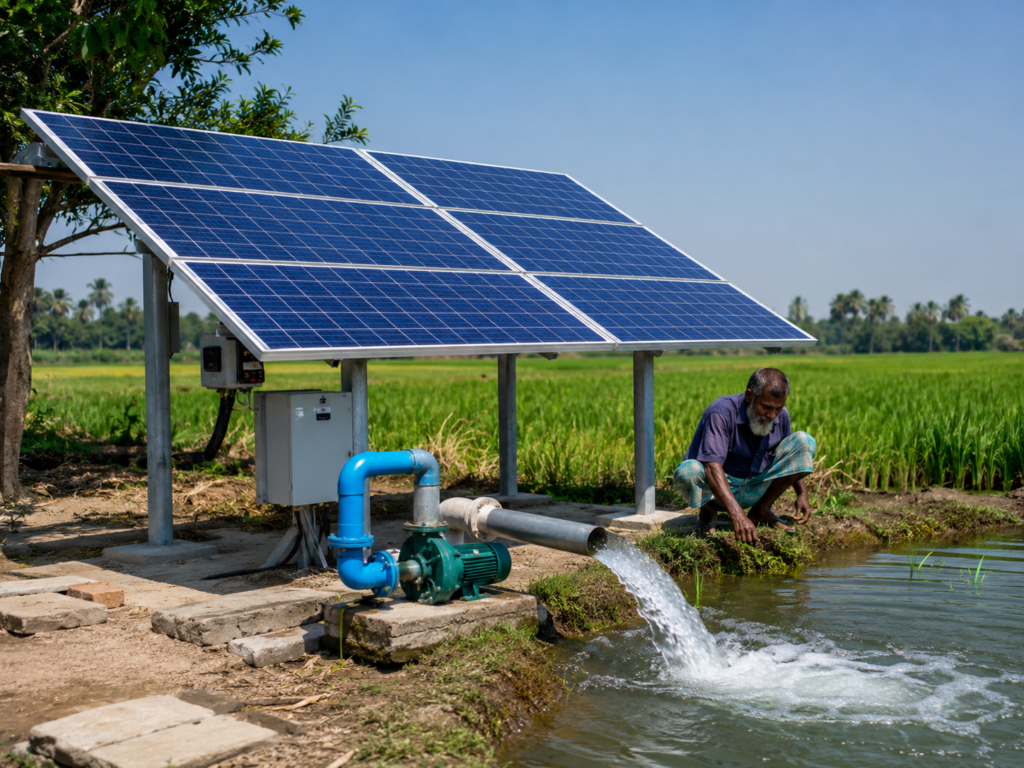
How We Work
From Inquiry to Long-Term Support
Inquiry
Tell us about your land, pump, and water need.
Pump Data Collection
Pump rating, type, run hours, and source details gathered.
Site Visit
Source, depth, pipe route, and panel area verified on site.
Water Demand Review
Daily volume and seasonal peak confirmed.
System Design
Pump, controller, and panel capacity engineered from real numbers.
Quotation
Transparent scope and honest estimate — no hidden gaps.
Installation
Professional installation with protection and safe mounting.
Testing
Flow testing and performance verification.
Handover
Operation guidance and complete documentation.
Support / Maintenance
Season-long service and maintenance support.
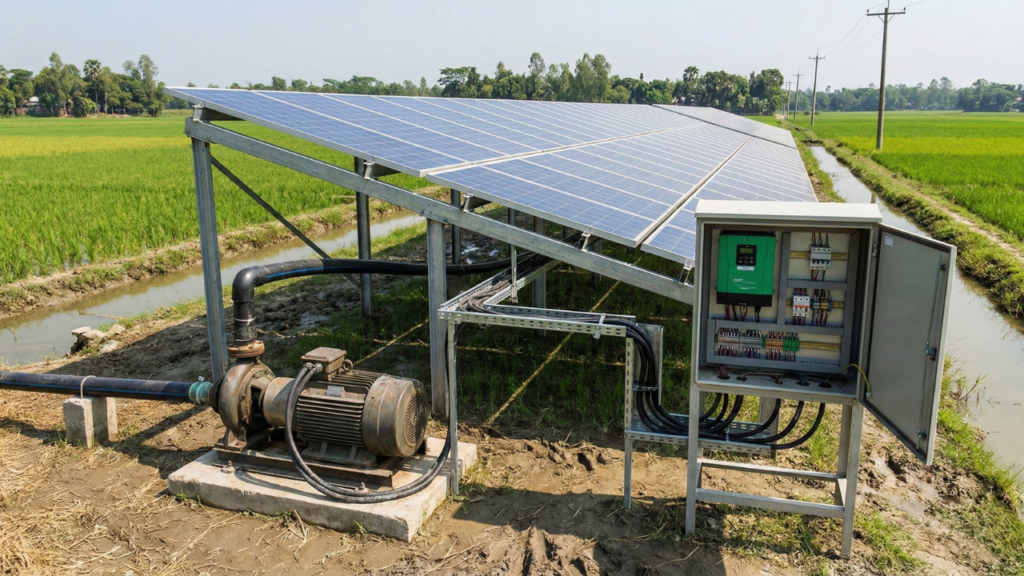
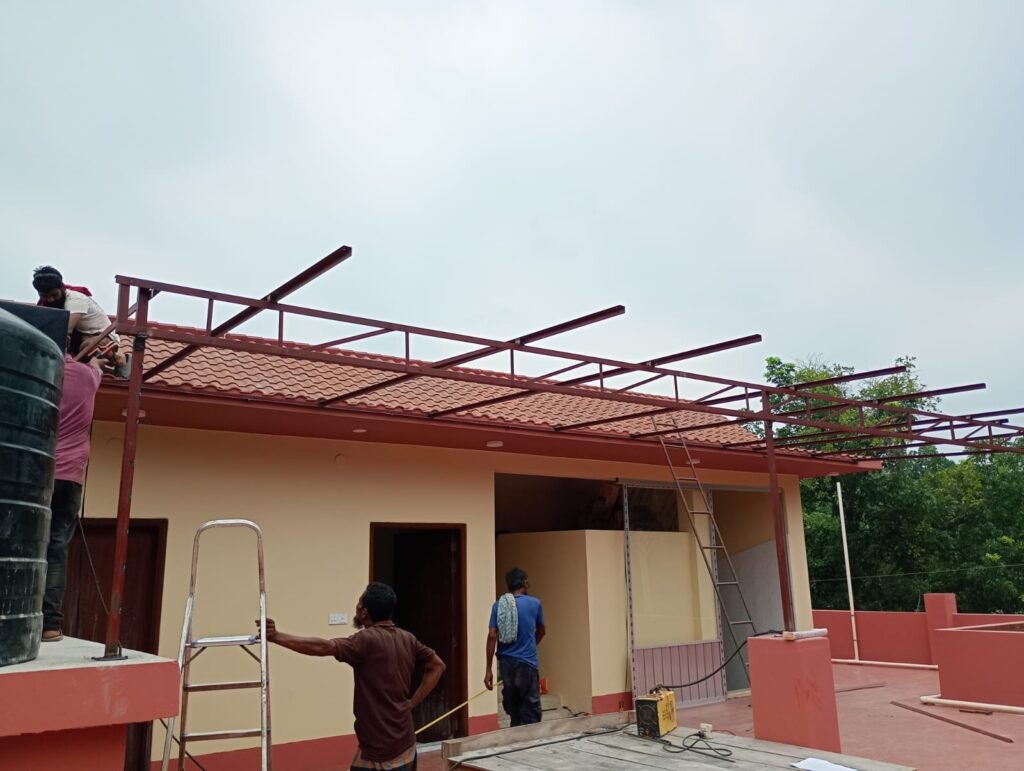
In the Field
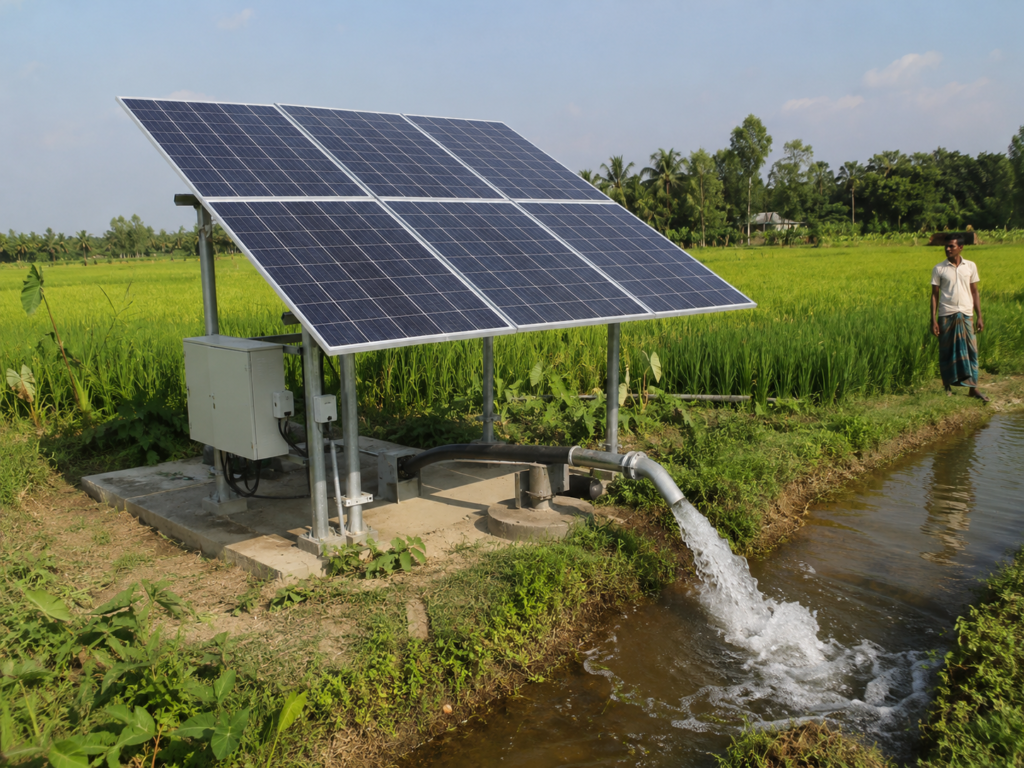
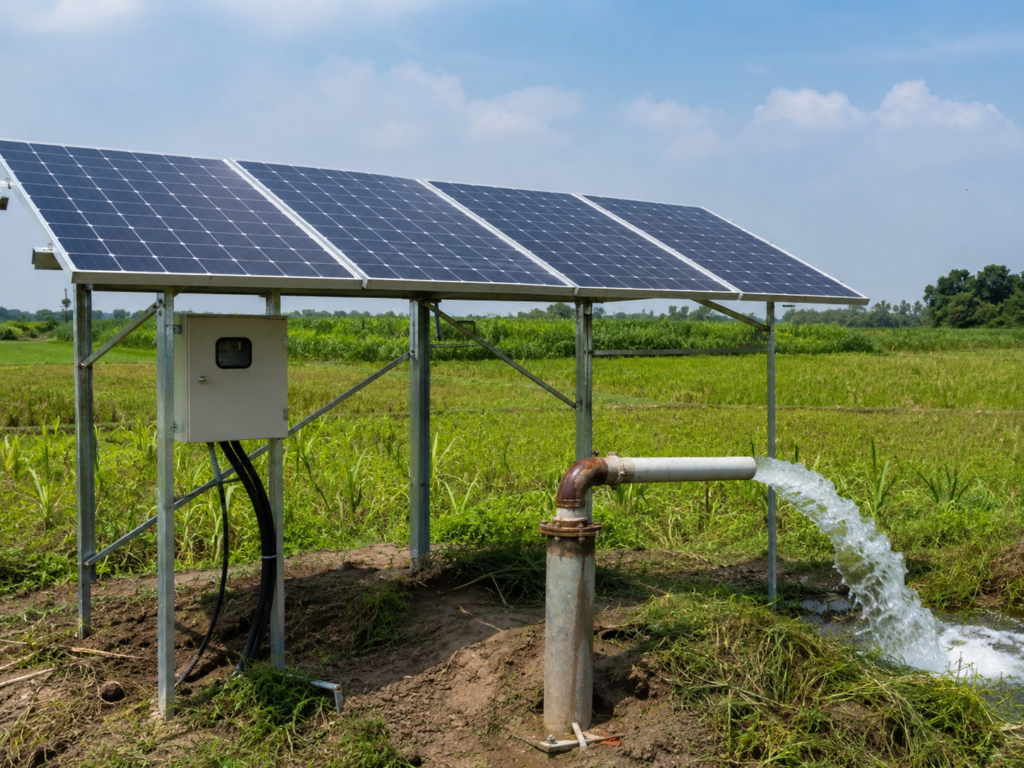
Agriculture Solar Pump Gallery
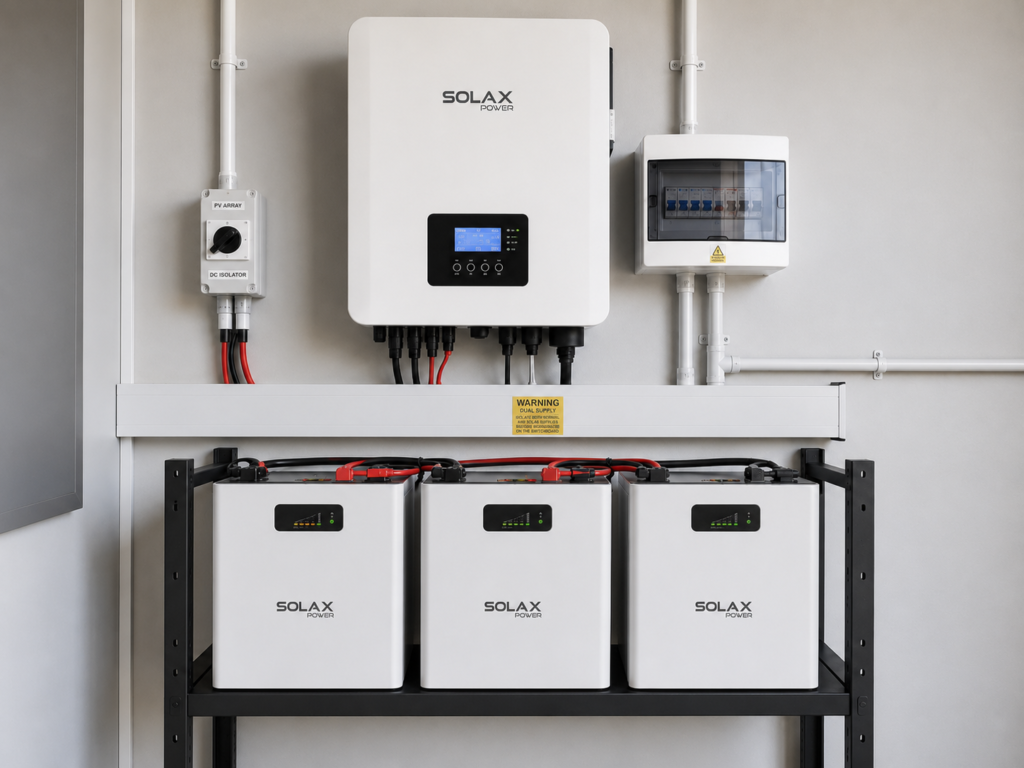
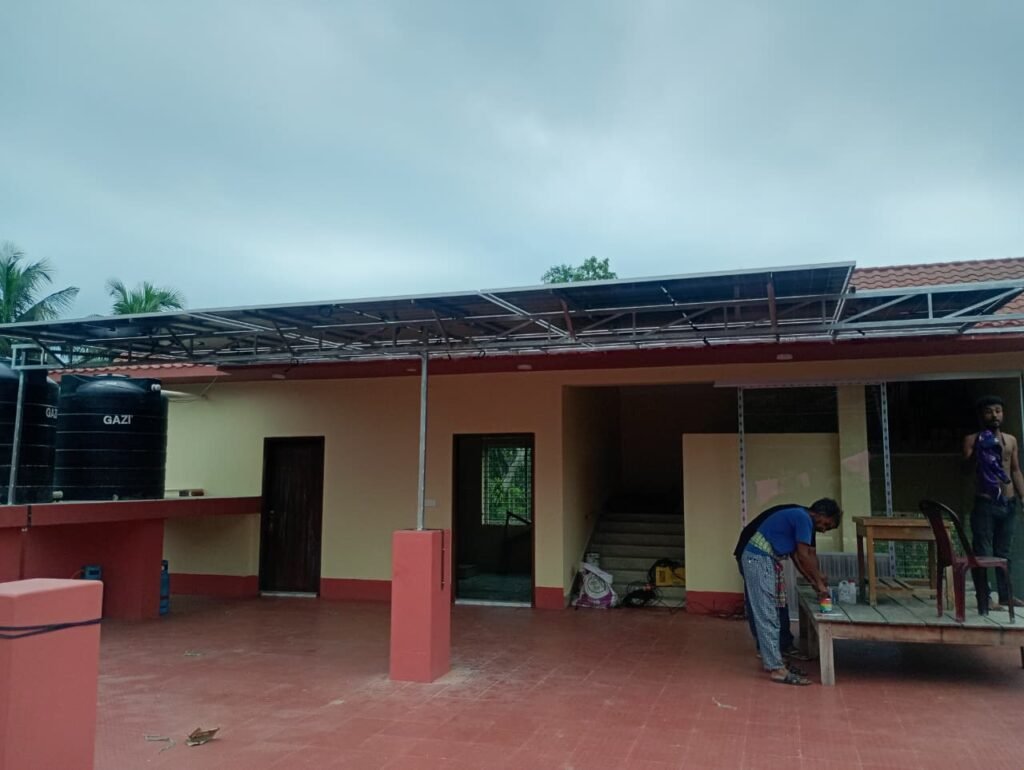
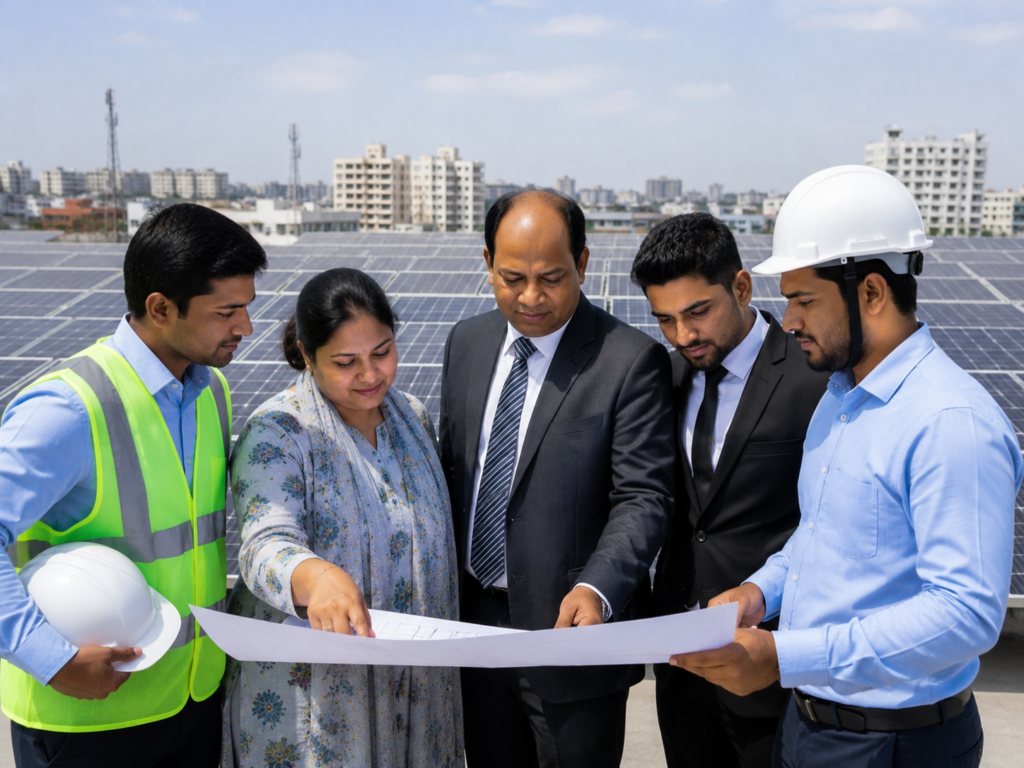
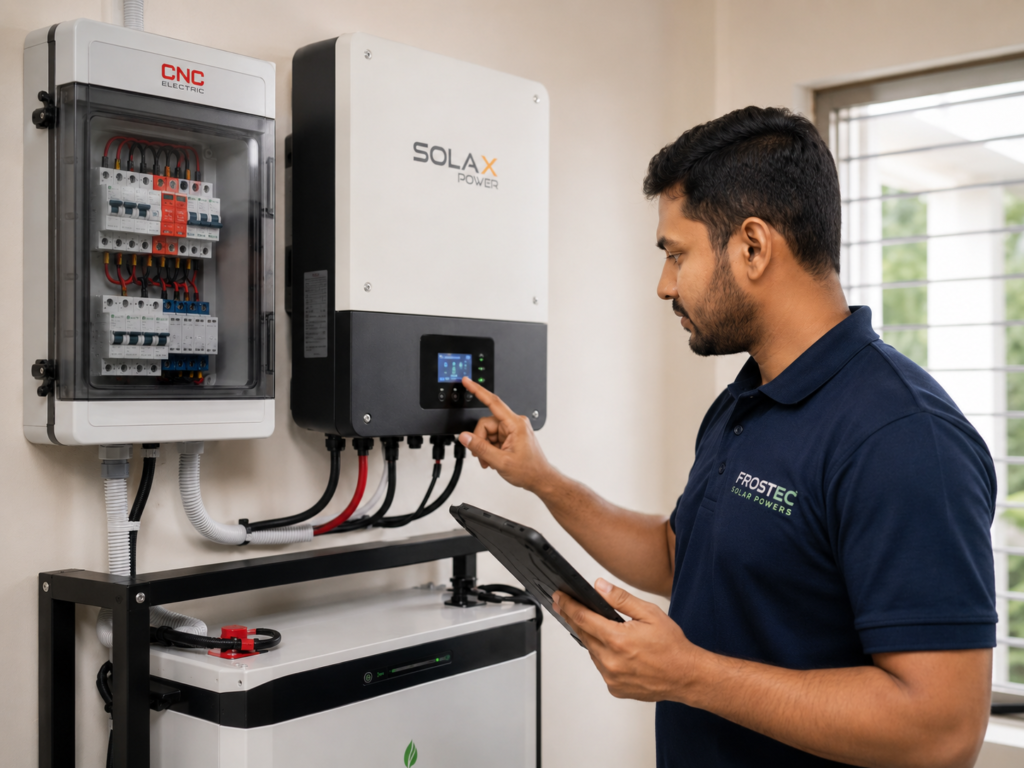
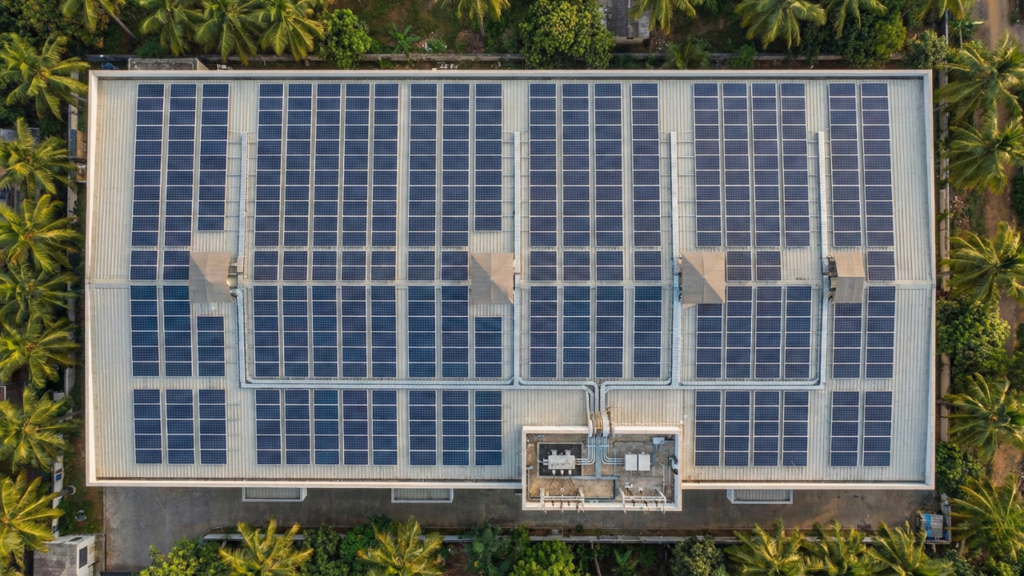
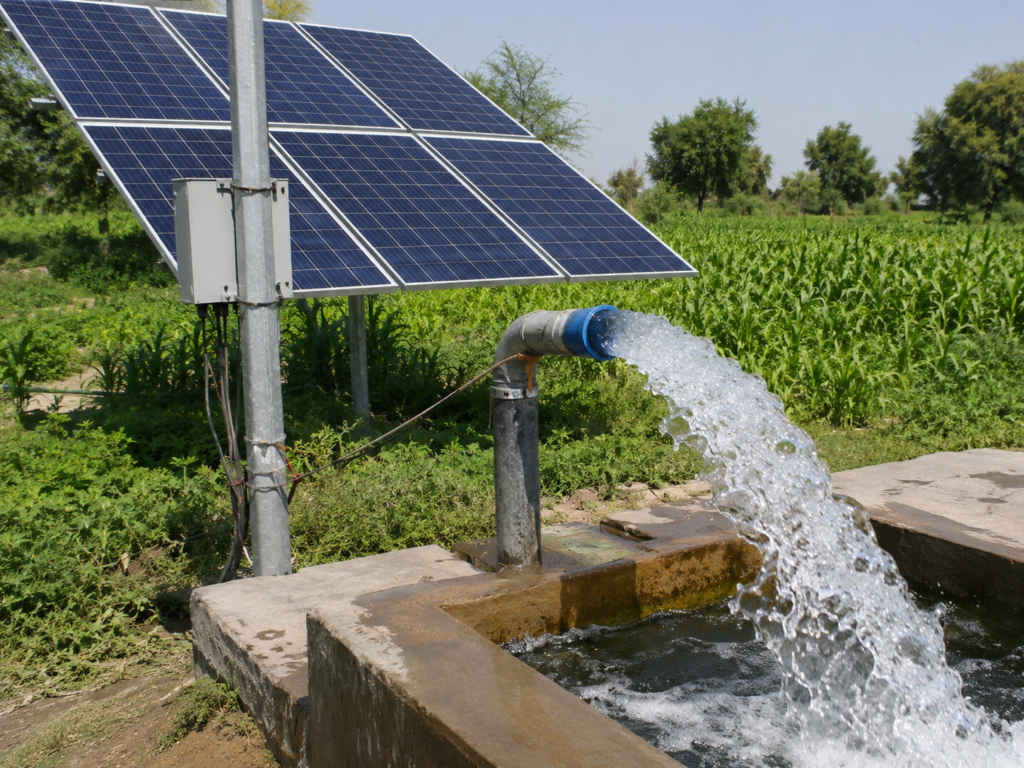
Field, pump, irrigation, installation, controller, and completed systems — documented across our agriculture solar work.

Components
System Components
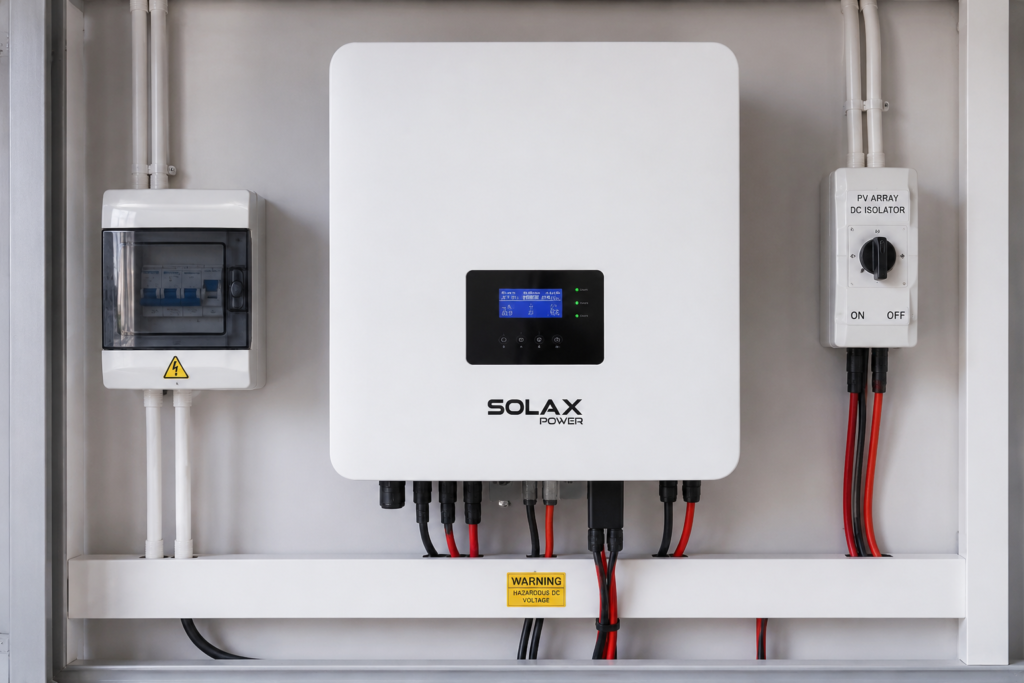
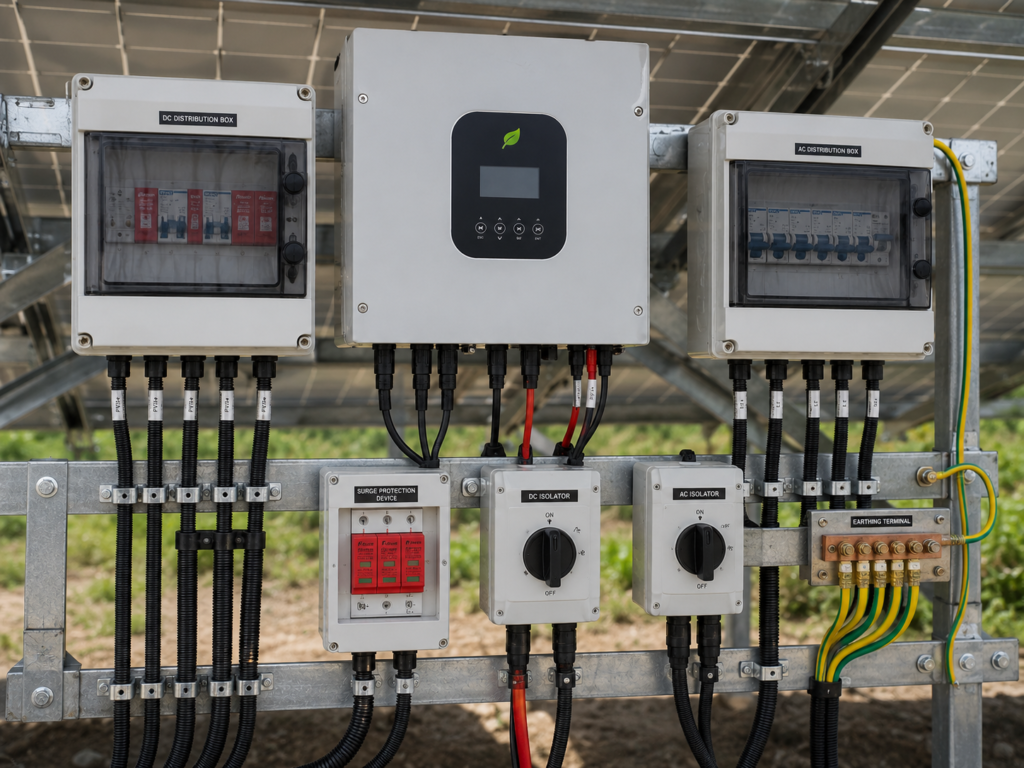
Final product selection depends on system design, pump requirement, site condition, product availability, warranty condition, and client approval.
Why FSP
Design-First, for Your Land
Design Before Price
We engineer the system before quoting — correct information first, price second.
Pump Data Review
Real pump rating, head, and run hours drive the design.
Site Condition Check
Source, depth, and panel area verified before any proposal.
Practical Sizing
Right-sized for peak season — not oversold, not underbuilt.
Safe Installation
Protection, earthing, and safe mounting in every job.
Testing & Handover
Flow testing, verification, and complete documentation.
Long-Term Support
Season-long service — our responsibility continues after handover.
Keep Exploring
Related Pages
Plan Your System
Start a Project
FAQ
Solar Pump Questions
What information is needed for a solar pump quotation?
Can solar run a submersible pump?
Is battery required for a solar pump?
Can a solar pump work for fish farms?
How is pump size calculated?
Does bore depth affect solar pump design?
How much space is required for panels?
Is a site visit required before final quotation?
What maintenance is needed?
Can the system be upgraded later?
Ready to Design Your Agriculture Solar Pump System Correctly?
Before recommending system size or price, FSP reviews your pump capacity, water demand, site condition, running hours, panel placement area, safety requirements, and long-term support needs.