
Independent Solar Power for Remote & Grid-Limited Locations
FSP designs off-grid solar systems based on your actual load, daily energy use, battery autonomy, inverter capacity, solar panel capacity, site condition, safety, and long-term maintenance — the most demanding system to design correctly.
What It Is
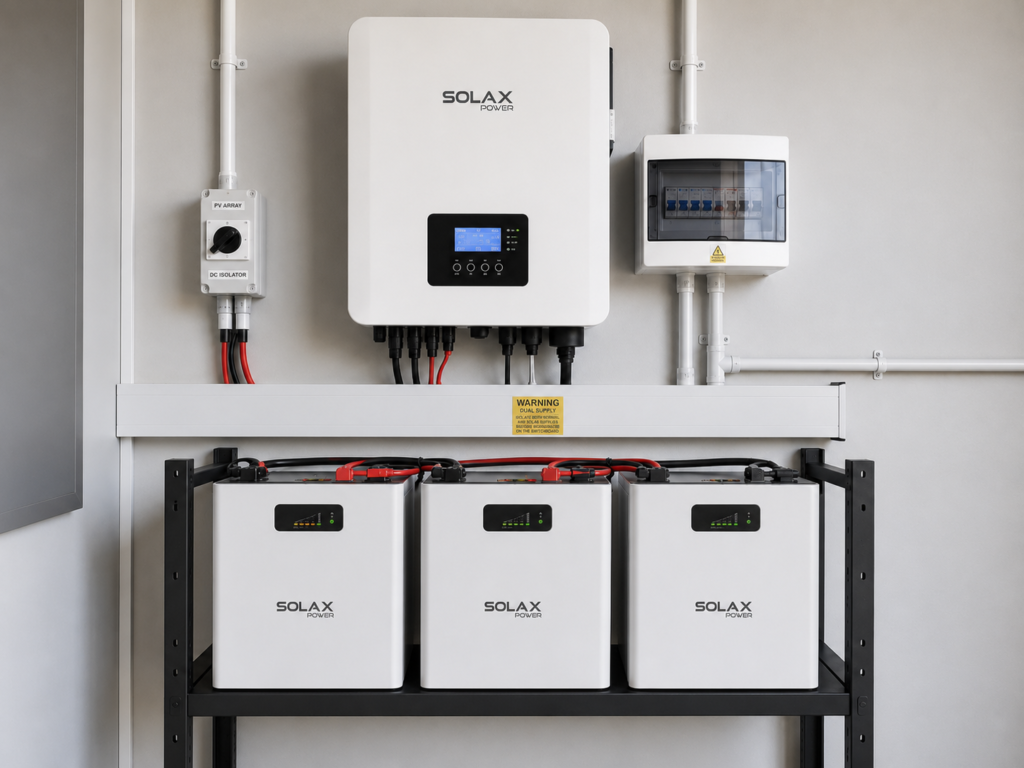
What Is an Off-grid Solar System?
An off-grid system works independently from the utility grid. It uses solar panels, a charge controller or inverter, battery storage, protection devices, and selected loads. Because there is no grid backup, sizing and load control must be done with discipline.
Who Needs It
Where Off-grid Solar Is the Right Answer
Remote Homes
Need: Power beyond the grid.
Design: Essential-load autonomy.
Rural Businesses
Need: Reliable daily operation.
Design: Load-budgeted system.
Agriculture Land
Need: Field energy & lighting.
Design: Daytime + storage balance.
Fish Farms
Need: Aeration & circulation.
Design: Pump-load autonomy.
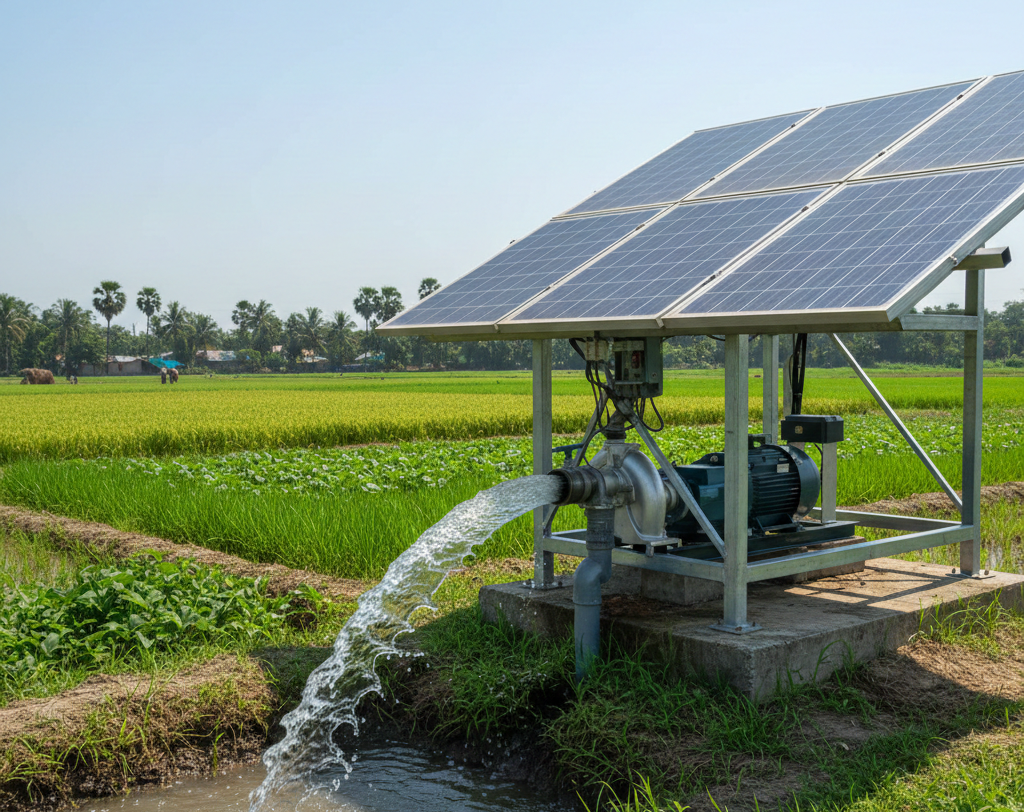
Solar Pump Support
Need: Water without diesel.
Design: Direct or stored pumping.
Telecom / Security
Need: 24/7 critical uptime.
Design: High-autonomy battery bank.
Remote Offices
Need: Work continuity.
Design: Equipment-load sizing.
Weak-Grid Locations
Need: Grid too unreliable.
Design: Independent backup.
Emergency / Project Sites
Need: Temporary independent power.
Design: Portable, robust setup.
Design Factors
What FSP Checks Before Sizing
An off-grid design depends on all of these — we do not skip any of them.
- Daily energy consumption
- Peak load
- Surge load
- Essential load priority
- Backup hour requirement
- Battery autonomy (cloudy days)
- Inverter capacity
- Solar panel capacity
- Charge controller requirement
- Sunlight availability
- Roof or ground space
- Cable route
- Earthing & protection
- Battery location
- Ventilation
- Maintenance access
- Future expansion
Load Discipline
Energy Discipline Matters More Off-grid
With no grid support, unnecessary heavy loads reduce backup time and system reliability. Load priority is part of the engineering.
Suitable Loads
- Lights
- Fans
- Router
- TV
- Refrigerator
- Small office equipment
- Selected sockets
- Security system
High-Control Loads
- Air conditioner
- Pump
- Motor
- Heater
- Compressor
- Heavy kitchen equipment
Battery Autonomy
How Autonomy Is Estimated
Here is a worked example showing how autonomy is estimated. Your actual figures come from your load list, battery type, and site survey — these are estimates, not promises.
| Input | Example value |
|---|---|
| Selected load | ≈ 500 W (example) |
| Daily usage hours | ≈ 6 hours |
| Required backup hours | ≈ 1 day |
| Inverter size | ≈ 3 kVA |
| Battery capacity | ≈ 10 kWh (lithium) |
| Usable capacity | ≈ 9 kWh (after depth-of-discharge) |
| Solar panel capacity | ≈ 3 kW |
| Estimated autonomy | ≈ 1 day (estimate) |
| Safety margin | ≈ 25% (cloudy-day reserve) |
Comparison
Off-grid vs Hybrid vs On-grid
Off-grid Solar
- Independent from grid
- Battery is essential
- Requires strict load control
- Best for remote / no-grid areas
- Higher design responsibility
Hybrid Solar
- Works with grid + battery
- Supports backup loads
- Useful where grid exists but backup needed
On-grid Solar
- Grid-connected
- No battery by default
- Best for bill reduction
- No backup during grid failure
Site Assessment
What We Check On Your Site
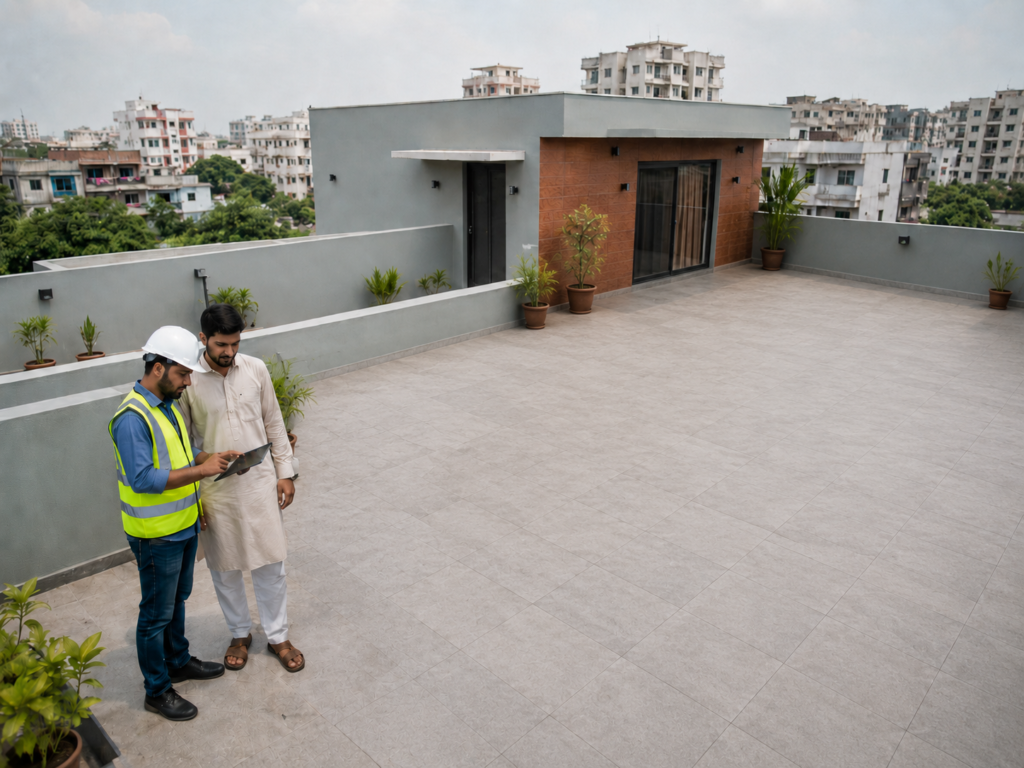
- Location & access
- Available roof or ground space
- Shadow condition
- Panel placement direction
- Load point distance
- Battery / inverter location
- Ventilation
- Cable route
- Earthing point
- Security condition
- Maintenance access
- Client usage pattern
How We Work
Off-grid Project Process
Inquiry
Tell us your location and energy need.
Load List Collection
Every appliance, watts, and run hours documented.
Energy Requirement Review
Daily energy and autonomy days confirmed.
Site Visit
Sun exposure, space, and access verified.
Off-grid System Design
Array, battery, controller, and inverter sized with margins.
Quotation
Transparent scope with honest autonomy estimates.
Installation
Professional installation with full protection.
Testing
Load verification and performance testing.
Handover
Usage training and complete documentation.
Maintenance Support
Battery and system service for the long term.
Safety & Protection
Engineered Safe, Every Layer
Inverter Protection
Overload and fault protection, correctly rated.
Battery Protection
BMS, fusing, and safe charge/discharge control.
DC Protection
DC fuses, isolators, and surge protection.
AC Protection
AC breakers and isolation on the load side.
Earthing
Proper earthing for safety and stability.
Cable Sizing
Correct DC/AC sizing for current and heat.
Ventilation
Safe battery-room airflow and placement.
Isolation Switch
Clear isolation points for safe servicing.
Safety Labeling
Clear labeling on all critical components.
Fire Safety
Fire-safe layout and component selection.
In the Field
Off-grid Systems in the Field
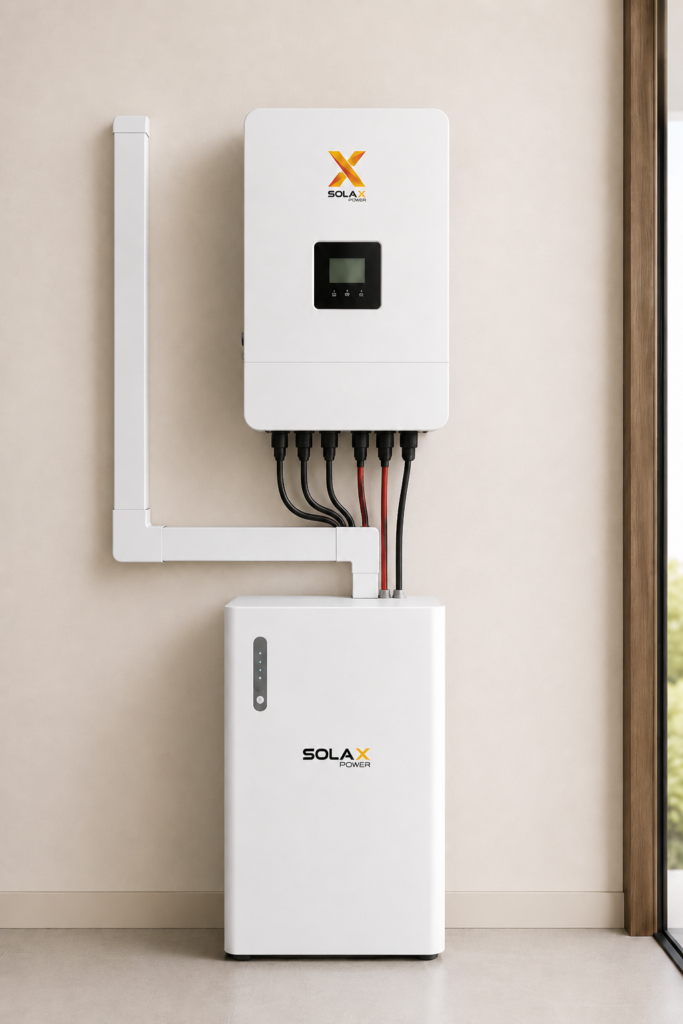
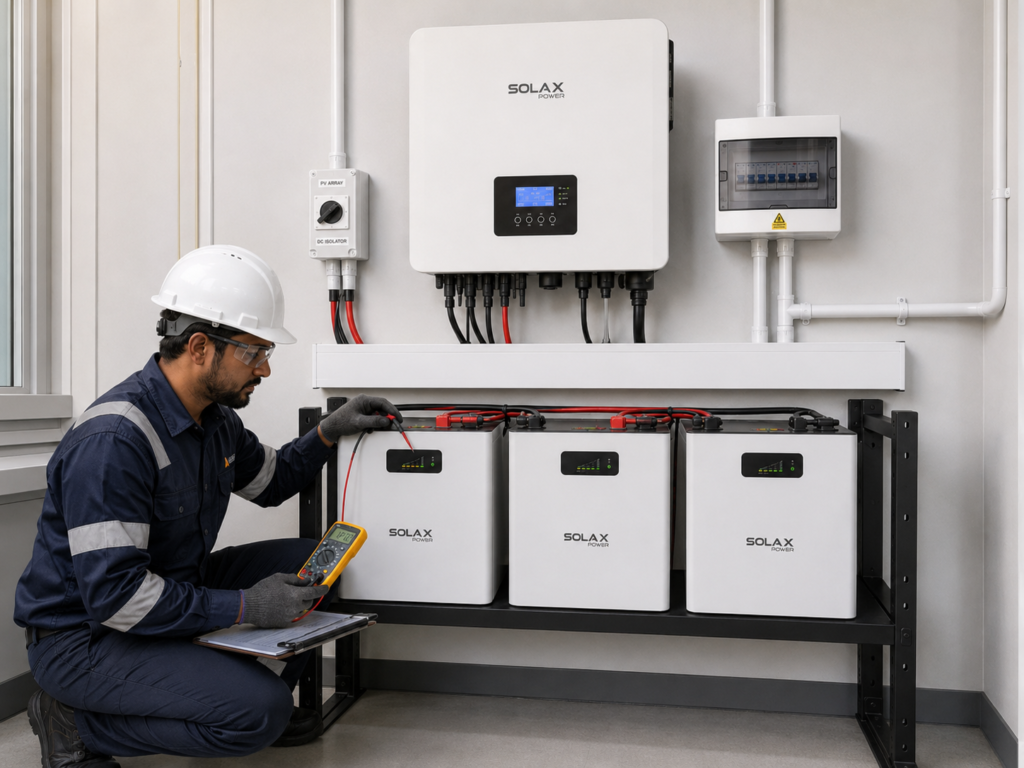
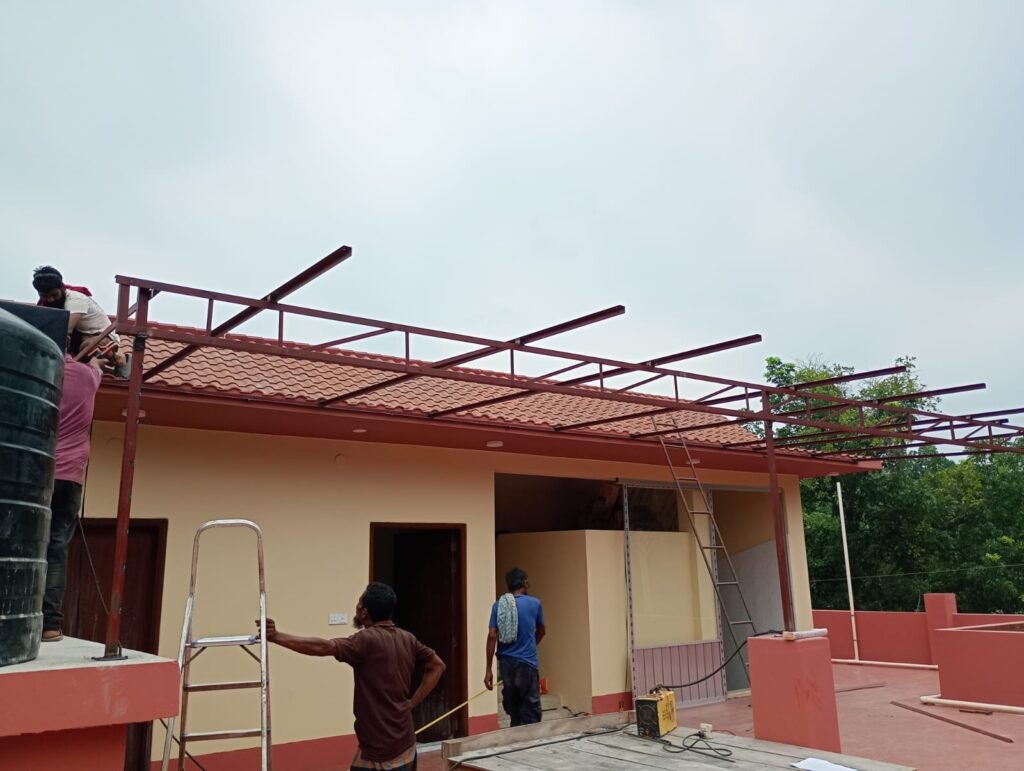
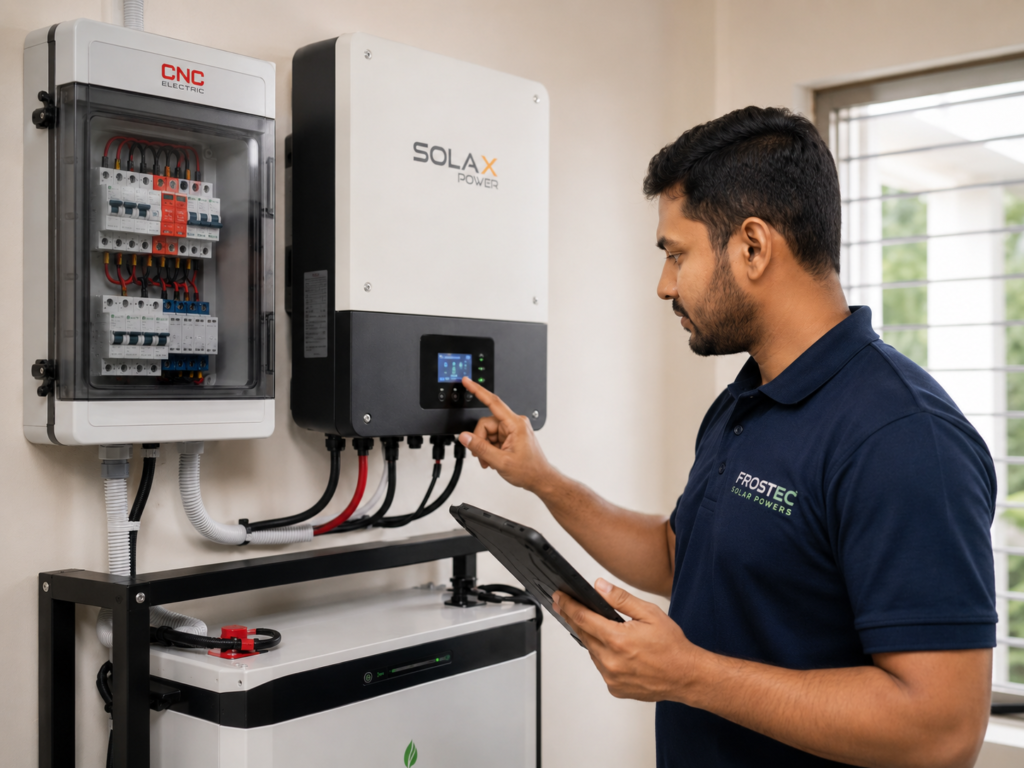
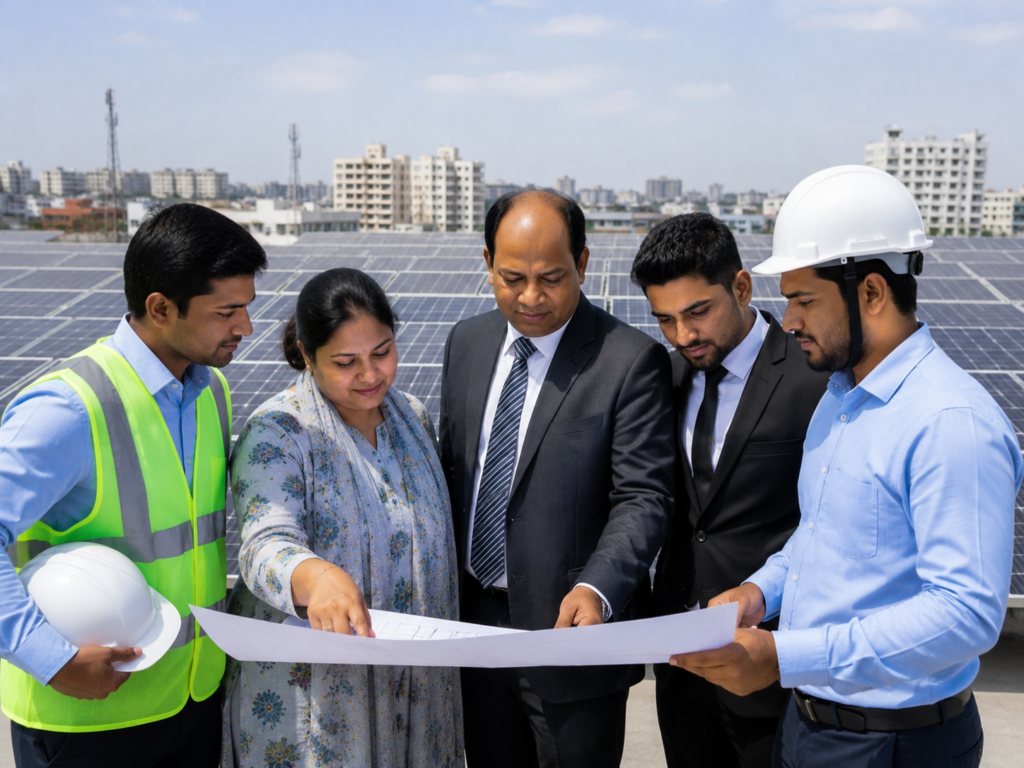
Remote site, panel mounting, battery, inverter, protection, testing, and completed off-grid work — documented across our projects.

Components
System Components
Final product selection depends on system design, load requirement, backup requirement, site condition, product availability, warranty condition, and client approval.
Why FSP
Design-First Off-grid Engineering
Design Before Price
We engineer the system before quoting — load data first, price second.
Load Control Planning
Essential loads prioritized so the battery lasts.
Battery Autonomy Review
Sized for cloudy days, not just one night.
Safety Margin
Cloudy-weather reserve built into every design.
Proper Installation
Protection, earthing, and safe battery placement.
Maintenance Support
Long-term service — critical for remote systems.
Keep Exploring
Related Pages
FAQ
Off-grid Solar Questions
What is an off-grid solar system?
Who needs off-grid solar?
Is a battery required for off-grid solar?
Can off-grid solar run AC or a pump?
How long will battery backup last?
What information is needed for an off-grid quotation?
Is a site visit required?
What is the difference between off-grid and hybrid solar?
Can the system be expanded later?
What maintenance is required for off-grid solar?
Ready to Design Your Off-grid Solar System Correctly?
Before recommending system size or price, FSP reviews your load list, daily energy use, backup requirement, battery capacity, inverter capacity, site condition, safety requirements, cable route, and future expansion plan.