
Hybrid Solar Designed for Backup, Control & Long-Term Reliability
FSP designs hybrid solar systems around your actual load, backup requirement, battery capacity, inverter capacity, surge load, roof condition, safety, and future expansion — not a fixed package.
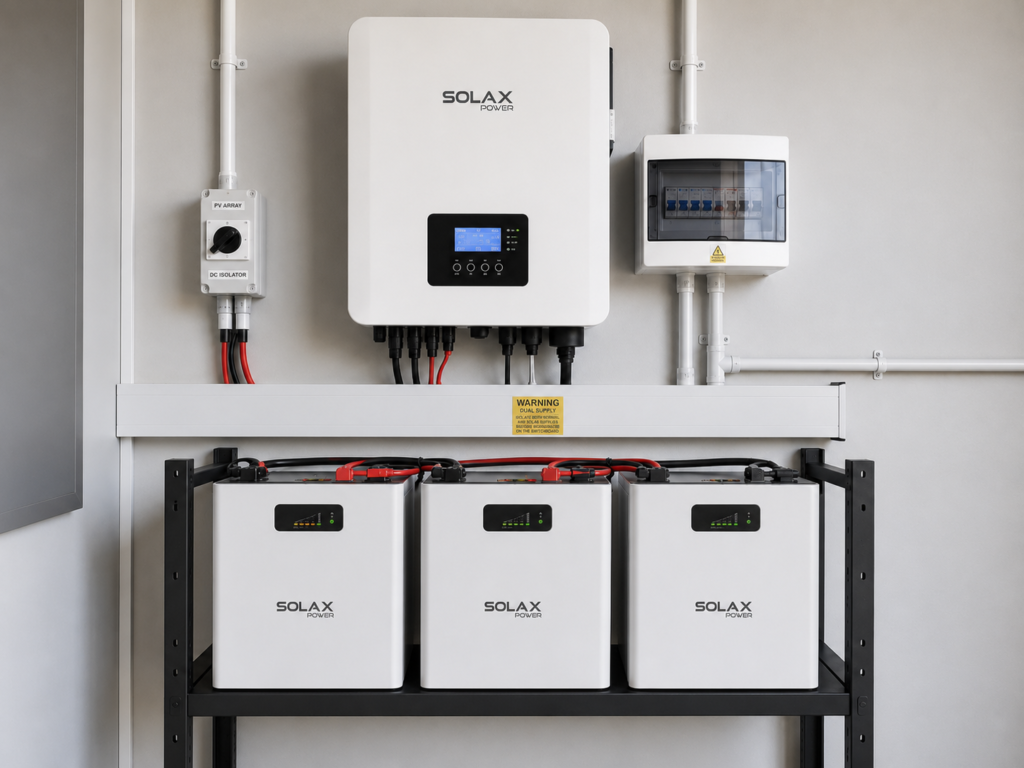
What It Is
What Is a Hybrid Solar System?
A hybrid system combines solar panels, a hybrid inverter, a battery, grid connection, and selected backup loads. It uses solar by day, charges the battery, supports essential loads during outages, and works with the grid — all managed automatically.
Who Needs It
Who Hybrid Solar Is Built For
Load-Shedding Homes
Need: Uninterrupted essentials.
Backup: Lights, fans, fridge, router.
Duplex Houses
Need: Whole-home comfort.
Backup: Multi-floor essential loads.
Small Offices
Need: Work continuity.
Backup: Computers, lights, network.
Clinics
Need: Critical reliability.
Backup: Medical & refrigeration loads.
Shops & Restaurants
Need: No lost business.
Backup: Lighting, refrigeration, POS.
Schools & Buildings
Need: Essential-load continuity.
Backup: Selected critical circuits.
Design Factors
What FSP Checks Before Sizing
A correct hybrid design depends on all of these — we do not skip any of them.
- Full load list
- Essential (backup) load
- Backup hour requirement
- Inverter capacity
- Battery capacity
- Solar panel capacity
- Battery charging loss
- Inverter loss
- Cloudy-weather safety margin
- Surge load (fridge, motor, pump, AC, compressor)
- Roof space
- Inverter & battery location
- Cable route
- Earthing & protection
- Future load growth
Load Priority
Not Every Load Belongs on Backup
Hybrid solar performs better when essential loads are separated and prioritized. Connecting everything to backup wastes battery and money.
Essential Loads (Backup)
- Lights
- Fans
- Router / internet
- TV
- Refrigerator
- Selected sockets
- Security system
Heavy Loads (Careful Design)
- Air conditioner
- Water pump
- Motor
- Heater
- High-power kitchen equipment
Battery Sizing
How Backup Duration Is Estimated
Here is a worked example showing how backup duration is estimated. Your actual figures come from your load list, battery type, and site survey — these are estimates, not promises.
| Input | Example value |
|---|---|
| Selected backup load | ≈ 600 W (example) |
| Required backup hours | ≈ 4 hours |
| Inverter size | ≈ 3 kVA |
| Battery capacity | ≈ 5 kWh (lithium) |
| Battery type | Lithium |
| Usable capacity | ≈ 4.5 kWh (after depth-of-discharge) |
| Estimated backup duration | ≈ 4–5 hours (estimate) |
| Safety margin | ≈ 20% (cloudy-day reserve) |
Hybrid vs On-grid
Which System Fits Your Goal?
Hybrid Solar
- Includes battery
- Supports backup loads
- Higher cost than on-grid
- Needs proper load priority
- Best when backup is important
On-grid Solar
- No battery by default
- Best for bill reduction
- No backup during grid failure
- Suitable for daytime load & net metering
How We Work
Hybrid Solar Project Process
Inquiry
Tell us your backup goal and concerns.
Load List Collection
We list the appliances you want on backup.
Backup Requirement Review
Required hours and surge loads confirmed.
Site Visit
Roof, inverter/battery location, and cable route verified.
System Design
Inverter, battery, and panel capacity engineered from real data.
Quotation
Transparent scope with honest backup estimates.
Installation
Professional installation with full protection.
Testing
Backup switching and performance verified.
Handover
Operation guidance and complete documentation.
Support / AMC
Battery and inverter maintenance for the system’s life.
Safety & Protection
Engineered Safe, Every Layer
Inverter Protection
Correctly rated and protected against overload and fault.
Battery Protection
BMS, fusing, and safe charge/discharge management.
DC & AC Protection
Breakers, SPDs, and isolation on both DC and AC sides.
Earthing
Proper earthing and, by exposure, lightning protection.
Cable Sizing
Correct DC/AC cable sizing to control voltage drop and heat.
Ventilation & Placement
Safe battery placement, ventilation, and clear safety labeling.
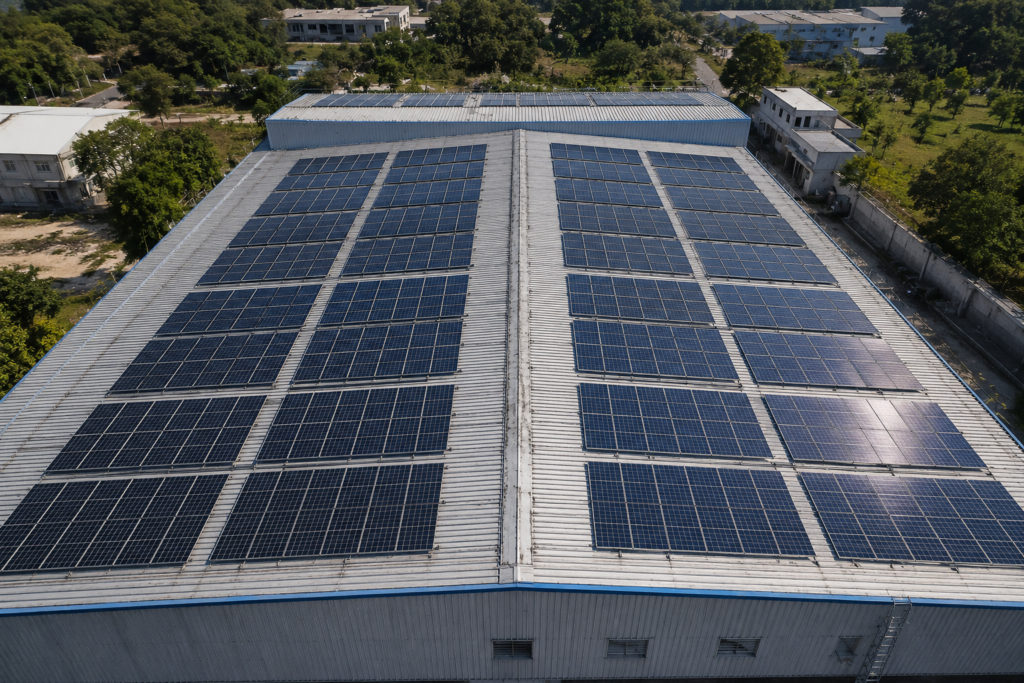
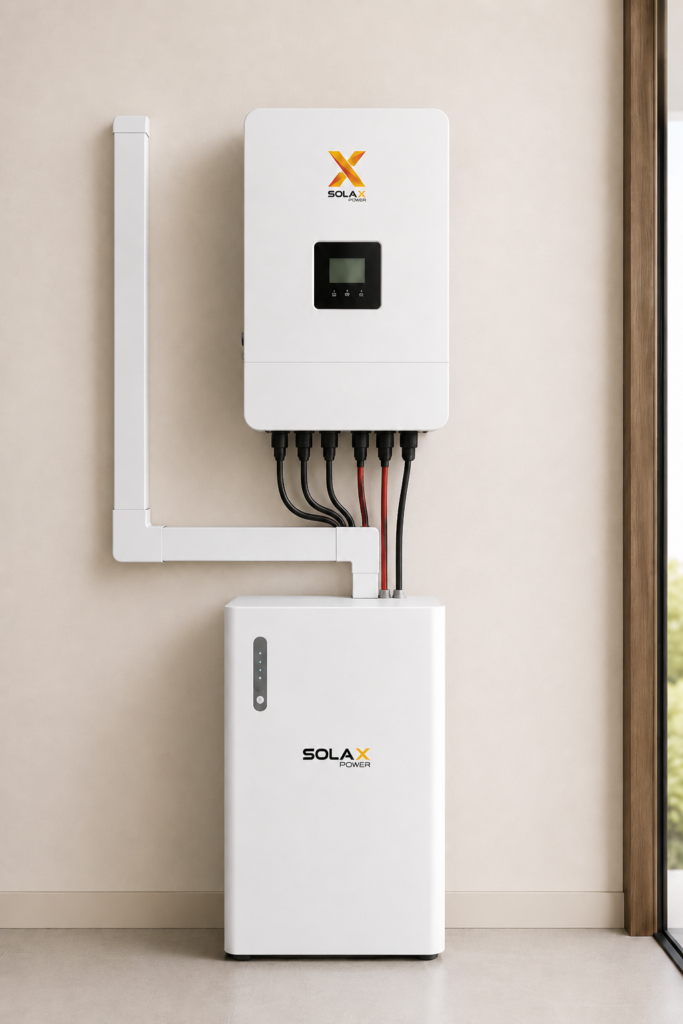
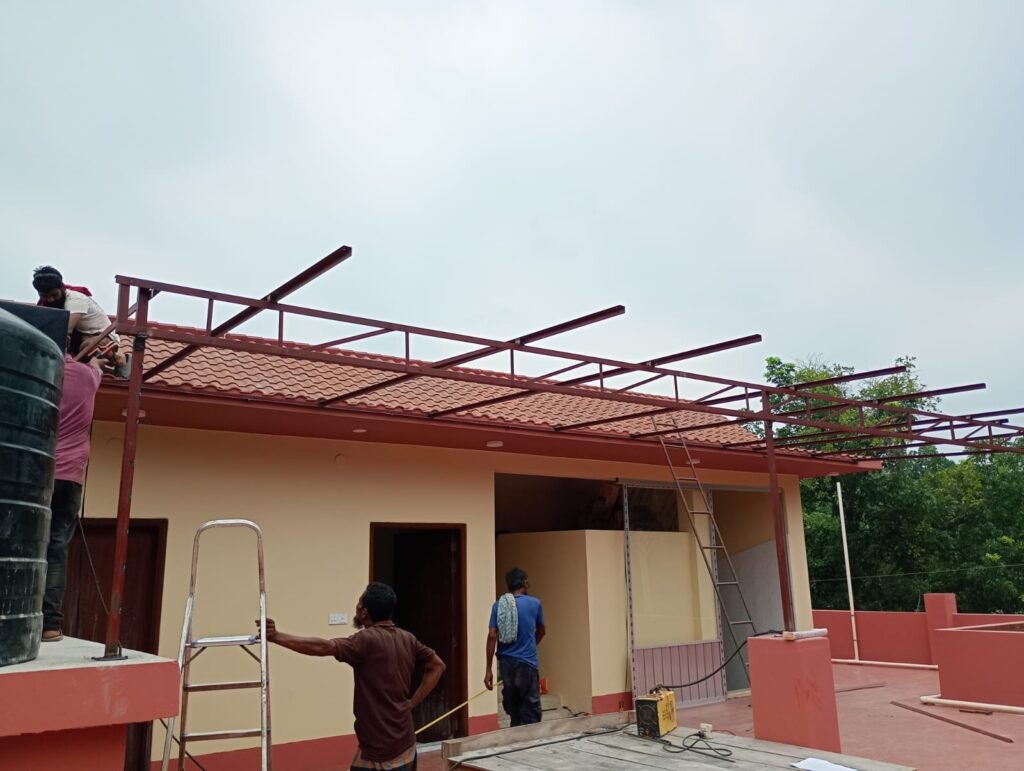
In the Field
Hybrid Systems in the Field
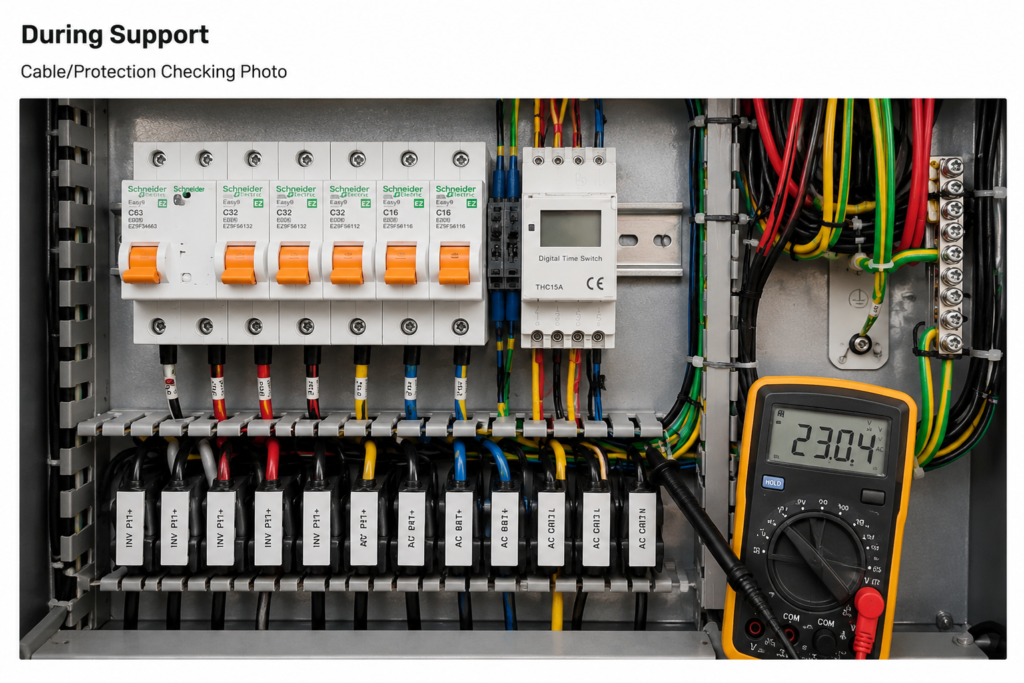
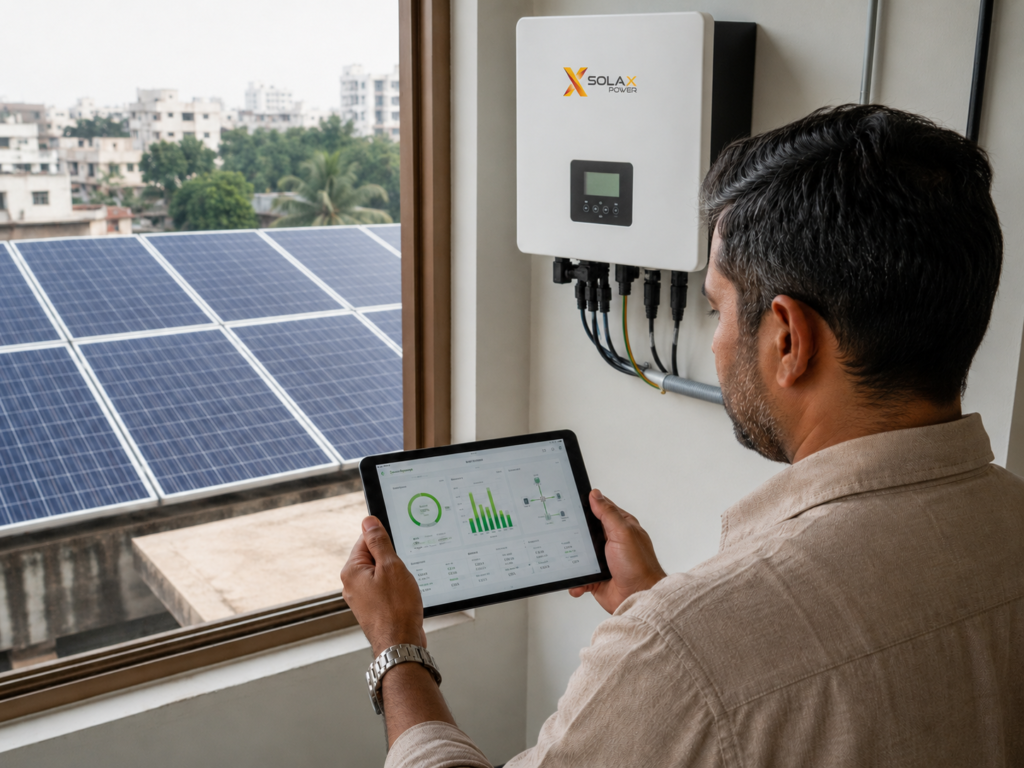
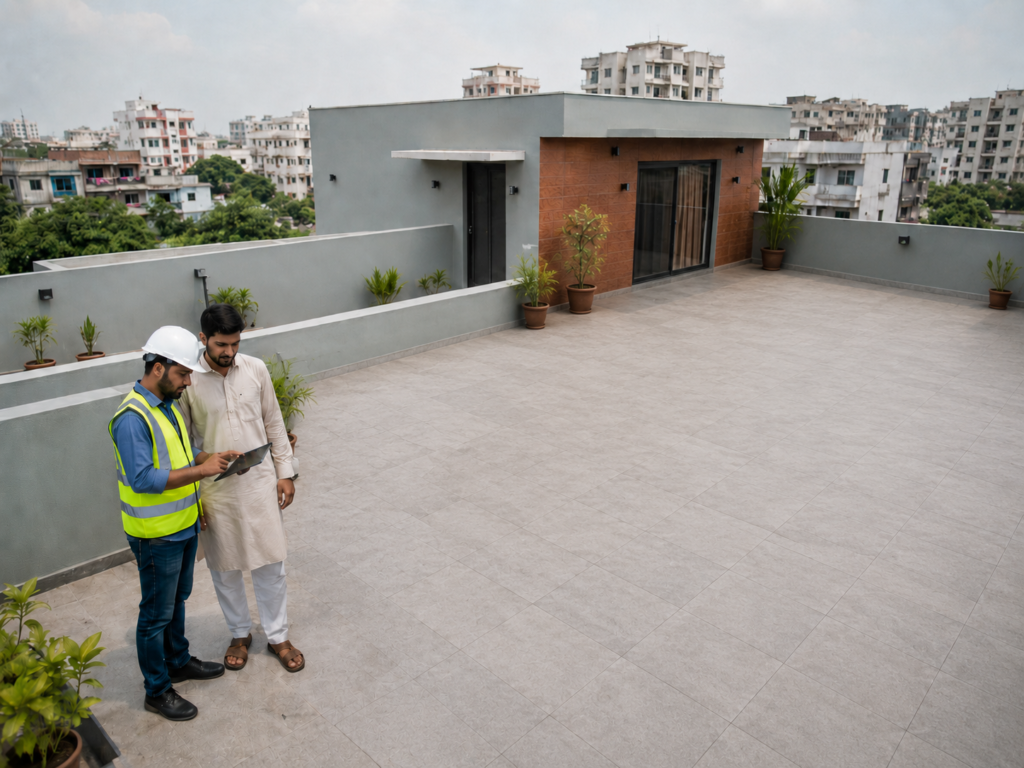
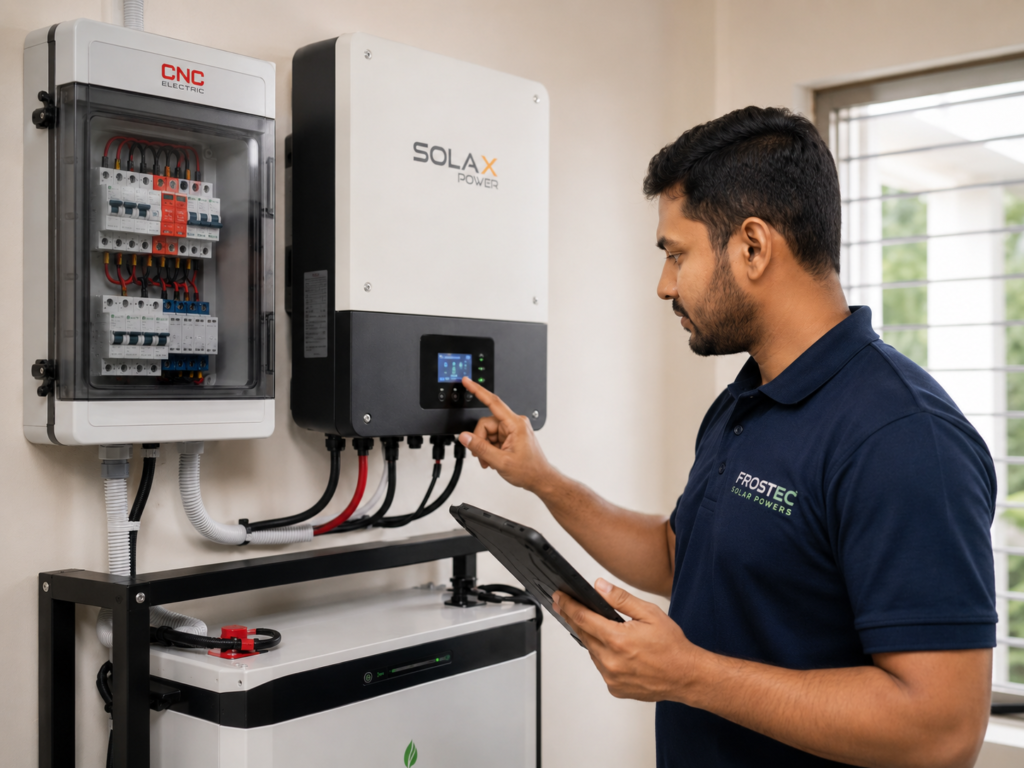
Rooftop, inverter, battery, installation, testing, and completed hybrid solar work — documented across our projects.

Components
System Components
Final product selection depends on system design, load requirement, backup requirement, product availability, warranty condition, and client approval.
Why FSP
Design-First Hybrid Engineering
Design Before Price
We engineer the system before quoting — backup data first, price second.
Load Priority Review
Essential loads separated so the battery is used wisely.
Battery Sizing Discipline
Correctly sized from day one — even when it makes our quote bigger.
Safety Margin
Cloudy-day reserve built in so backup holds in real conditions.
Proper Installation
Protection, earthing, and safe battery placement in every job.
After-Sales Support
Battery and inverter service — our responsibility continues.
Keep Exploring
Related Pages
By Segment
Other System Types
FAQ
Hybrid Solar Questions
What is a hybrid solar system?
Does hybrid solar work during load shedding?
How long will battery backup last?
Can AC run on hybrid solar?
Is a battery always required?
What information is needed for a hybrid solar quotation?
Is a site visit required before final quotation?
What is the difference between hybrid and on-grid solar?
Can the system be expanded later?
What maintenance is required for battery and inverter?
Ready to Design Your Hybrid Solar System Correctly?
Before recommending system size or price, FSP reviews your load list, backup hour requirement, inverter capacity, battery capacity, roof condition, safety requirements, cable route, and future expansion plan.