
Grid-Connected Solar for Bill Reduction & Long-Term Energy Value
FSP designs on-grid solar systems based on electricity bill, daytime load, roof condition, inverter location, cable route, protection system, net metering possibility, and long-term performance — not price per kW alone.

What It Is
What Is an On-grid Solar System?
An on-grid system is connected to the utility grid. Solar power is generated during the day and used by the building. Excess generation may be exported to the grid through net metering where approval and technical conditions are met.
Important to Know
One Honest Limitation
Who Needs It
On-grid Works Best For
Offices
Issue: AC, lighting, equipment.
Fit: Daytime usage = solar hours.
Schools
Issue: Daytime operation, big roofs.
Fit: Excellent self-consumption match.
Hospitals / Clinics
Issue: High continuous load.
Fit: Bill cut (hybrid for backup).
Warehouses
Issue: Large roof, moderate load.
Fit: High-capacity export potential.
Restaurants
Issue: Cooling & kitchen load.
Fit: Daytime bill reduction.
Export-Oriented Industries
Issue: Green-compliance need.
Fit: Lower cost + emissions.
Design Factors
What FSP Checks Before Sizing
A correct on-grid design depends on all of these — we do not skip any of them.
- Monthly electricity bill
- Monthly unit consumption
- Daytime load pattern
- Roof space
- Roof type & condition
- Shadow condition
- Inverter location
- DB / SDB / MDB condition
- Cable route
- Grid connection condition
- Net metering possibility
- Transformer / sanctioned load (where applicable)
- ACDB / DCDB
- SPD & protection
- Earthing
- Lightning protection
- Monitoring system
- Maintenance access
- Future expansion
Net Metering
How Net Metering Works
Net metering allows eligible grid-connected solar users to export excess solar generation to the grid and adjust it against consumption, according to applicable utility rules and approval.
Bill Review
Consumption pattern analyzed.
Load & Site Assessment
Roof, load, and interconnection verified.
System Design
Sized for self-consumption + export.
Net Metering Feasibility
Eligibility and capacity limits checked.
Document Preparation
Complete application package prepared.
Utility Submission
Application submitted; we follow up.
Installation
Professional installation & protection.
Testing
Electrical testing & inspection support.
Metering / Handover
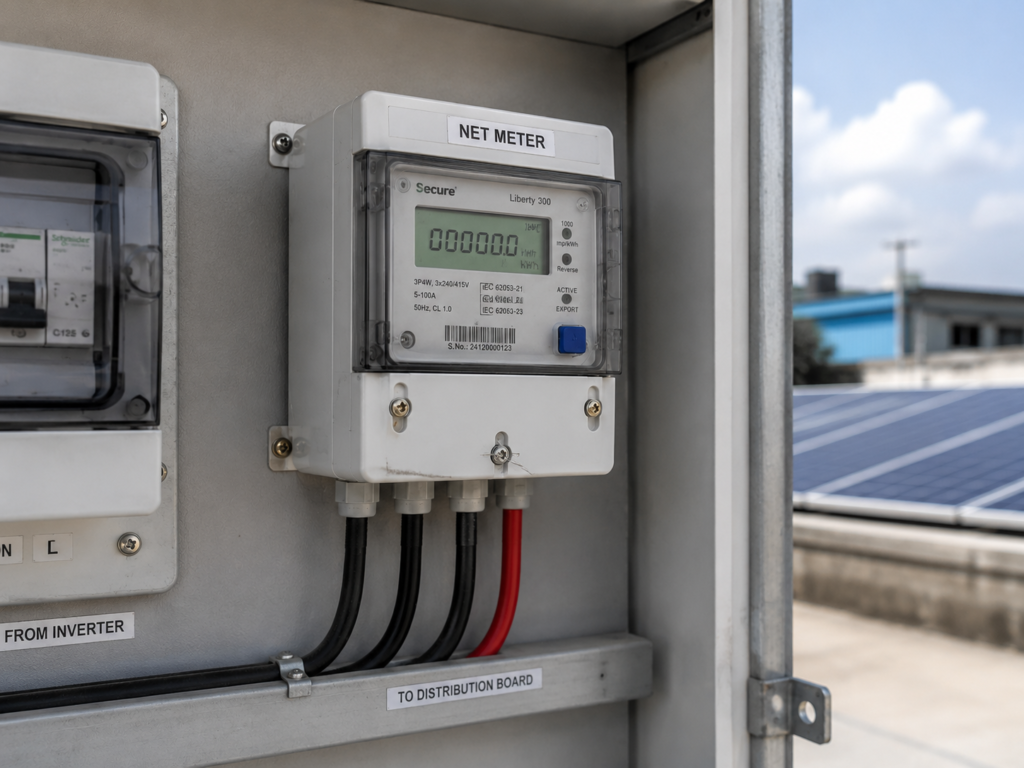
Bi-directional meter & operational handover.
Benefits
Why On-grid Solar Makes Sense
Reduces Electricity Bill
Every unit you generate and use is a unit you do not buy.
Best for Daytime Load
Generation aligns with daytime consumption hours.
No Battery Cost
Lower upfront cost — the best ROI per generated unit.
Lower Maintenance
Fewer wear parts than battery-based systems.
Commercial & Industrial Fit
Ideal for large daytime-load rooftops.
Long-Term Planning
Predictable energy cost for 20+ years.
Generation Tracking
Monitoring shows real-time performance.
Better Roof Utilization
An idle roof becomes a generating asset.
Comparison
On-grid vs Hybrid vs Off-grid
On-grid Solar
- Grid-connected
- No battery by default
- Best for bill reduction
- No backup during grid failure
Hybrid Solar
- Grid + solar + battery
- Supports essential backup loads
- Higher cost (battery)
- Best where backup matters
Off-grid Solar
- Independent from grid
- Battery is essential
- For remote / no-grid areas
- Requires strict load control
Site & Roof Assessment
What We Check On Your Roof

- Roof measurement
- Shadow analysis
- Roof strength & condition
- Panel layout possibility
- Inverter placement
- DB / SDB / MDB location
- AC & DC cable route
- Earthing point
- Lightning protection requirement
- Safety access & maintenance walkway
- Net meter / grid integration possibility
- Photo documentation
ROI & Saving
How Your Return Is Estimated
Here is a worked example showing how the numbers fit together. Your actual figures come from your bill, load, and site survey — these are estimates, not promises.
| Input | Example value |
|---|---|
| Monthly electricity bill | ৳45,000 (example) |
| Monthly unit consumption | ≈ 4,200 kWh |
| Proposed system size | ≈ 30 kW |
| Estimated monthly generation | ≈ 3,600 kWh (estimate) |
| Estimated self-consumption | ≈ 3,000 kWh (estimate) |
| Estimated export to grid | ≈ 600 kWh (estimate) |
| Estimated monthly saving | ≈ ৳30,000 (estimate) |
| Estimated payback period | ≈ 4–6 years (estimate) |
| O&M consideration | Cleaning + AMC per plan |
| Long-term value | 20+ year generating asset |
Execution
On-grid Project Execution Timeline
Inquiry
Facility type, bill, and goal shared.
Electricity Bill Review
Consumption analyzed.
Load Pattern Review
Daytime usage profile confirmed.
Site Visit
Roof, shading, DB, and route verified.
Engineering Design
System sized from real data.
Net Metering Feasibility
Eligibility & documentation checked.
Quotation
Calculated ROI & transparent scope.
Approval
Design & commercial terms confirmed.
Installation
Professional installation & protection.
Testing & Commissioning
Electrical testing & verification.
Handover
Net metering support & documentation.
O&M / AMC Support
Maintenance for the system’s life.
Safety & Protection
Engineered Safe, Every Layer
DC Protection
DC fuses, isolators, and surge protection.
AC Protection
AC breakers and isolation at the ACDB.
SPD
Surge protection on DC and AC sides.
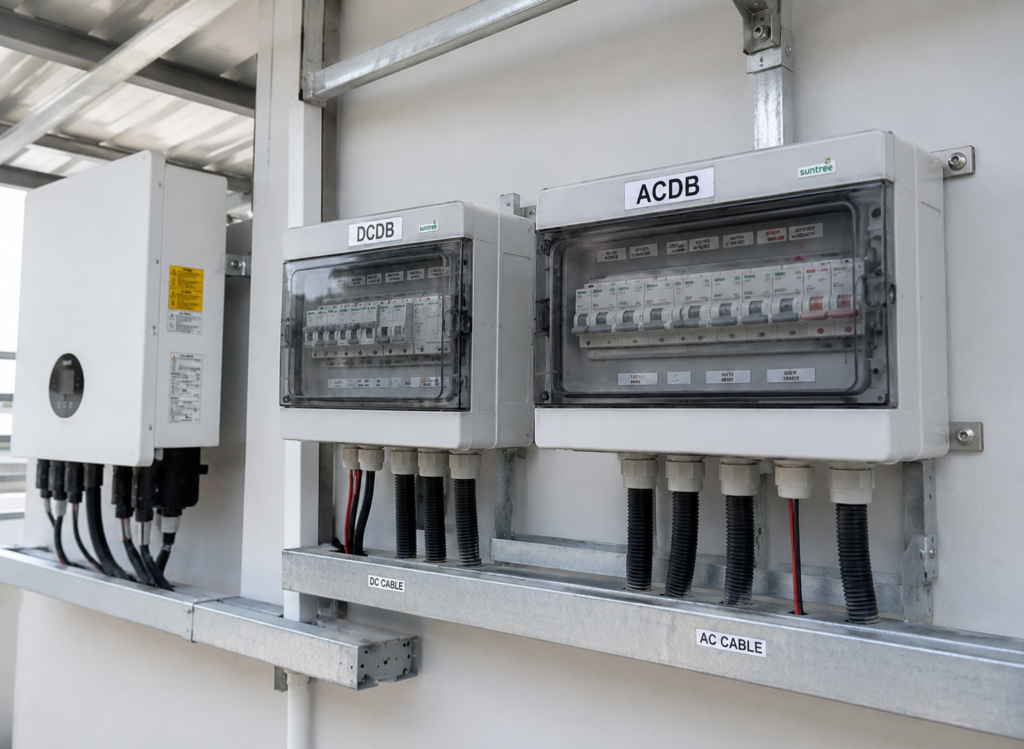
DCDB / ACDB
Combining and distribution with isolation.
MCCB / MCB
Correctly rated breakers throughout.
Earthing
Resistance-tested earthing system.
Lightning Protection
LPS designed by site exposure.
Cable Sizing
Correct DC/AC sizing for current & heat.
Isolation & Labeling
Clear isolation points and labeling.
Monitoring
Performance tracking & fault alerts.
In the Field
On-grid Systems in the Field
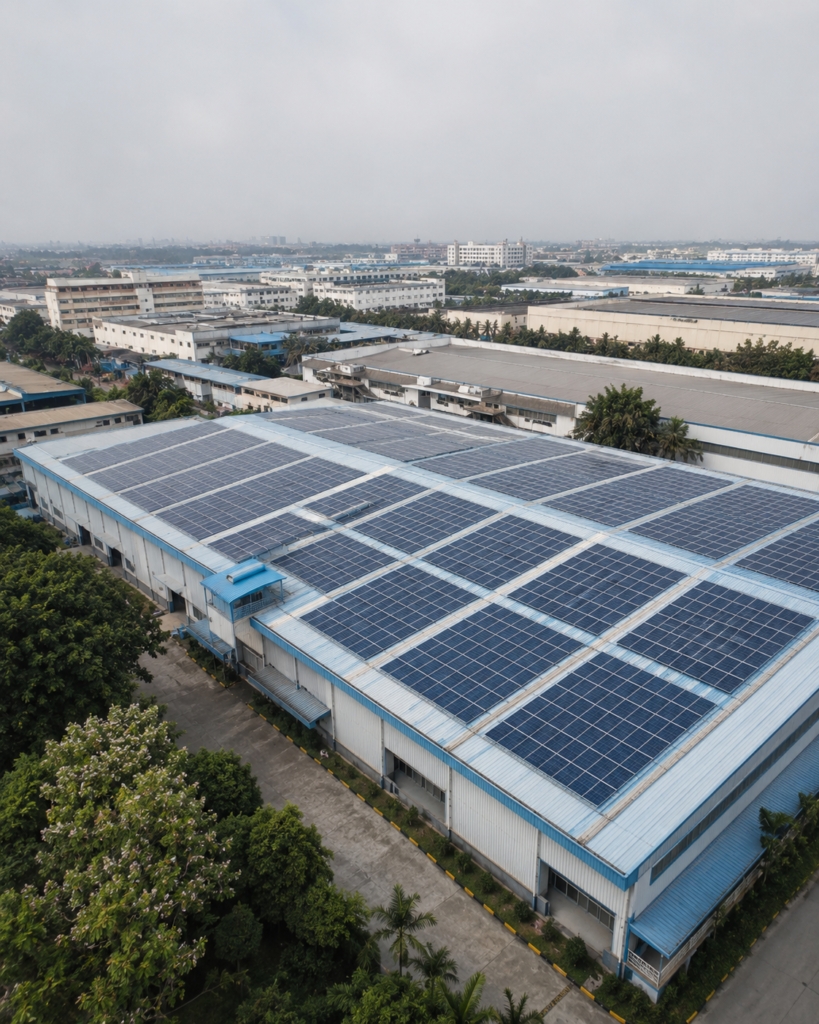
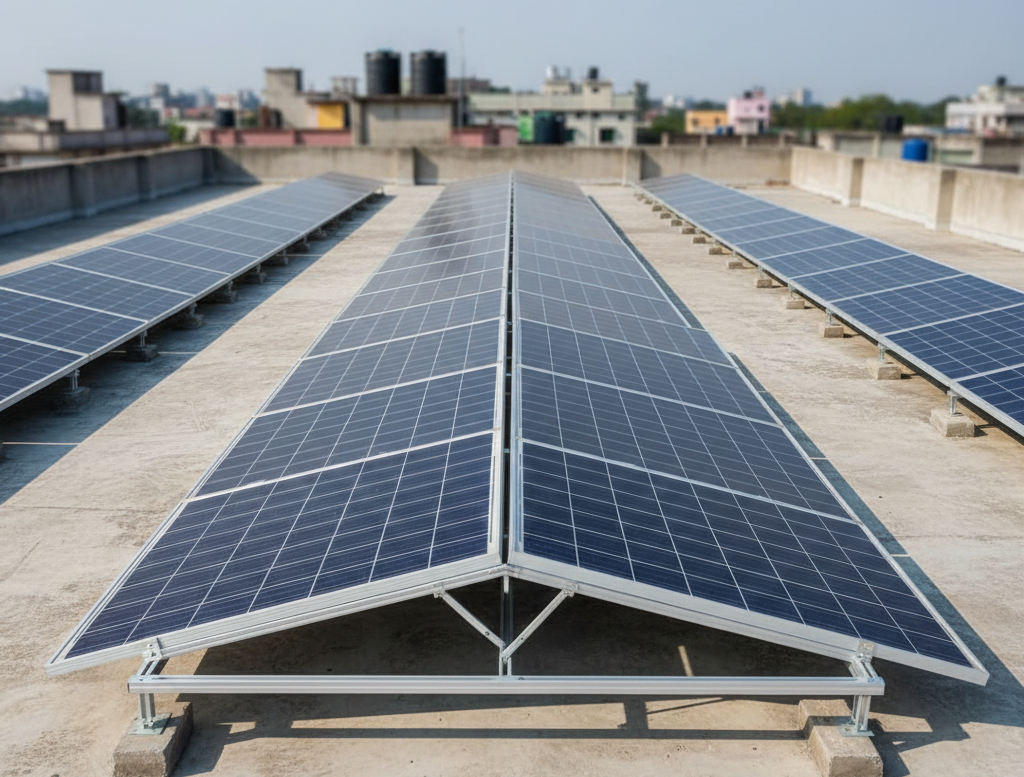
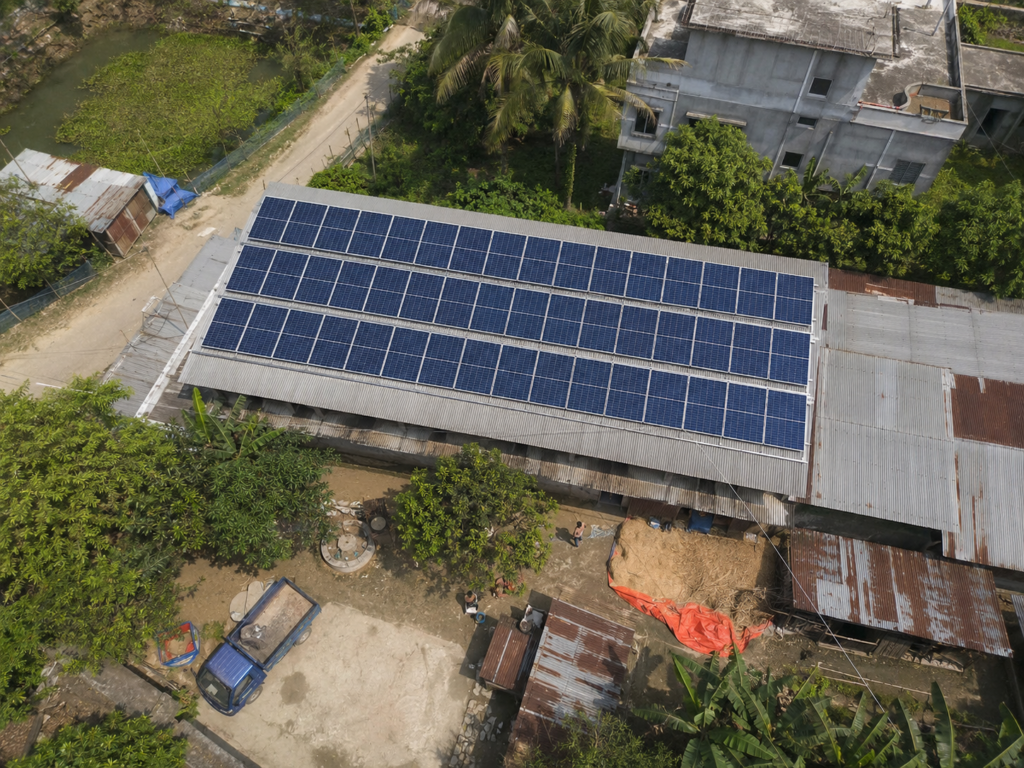
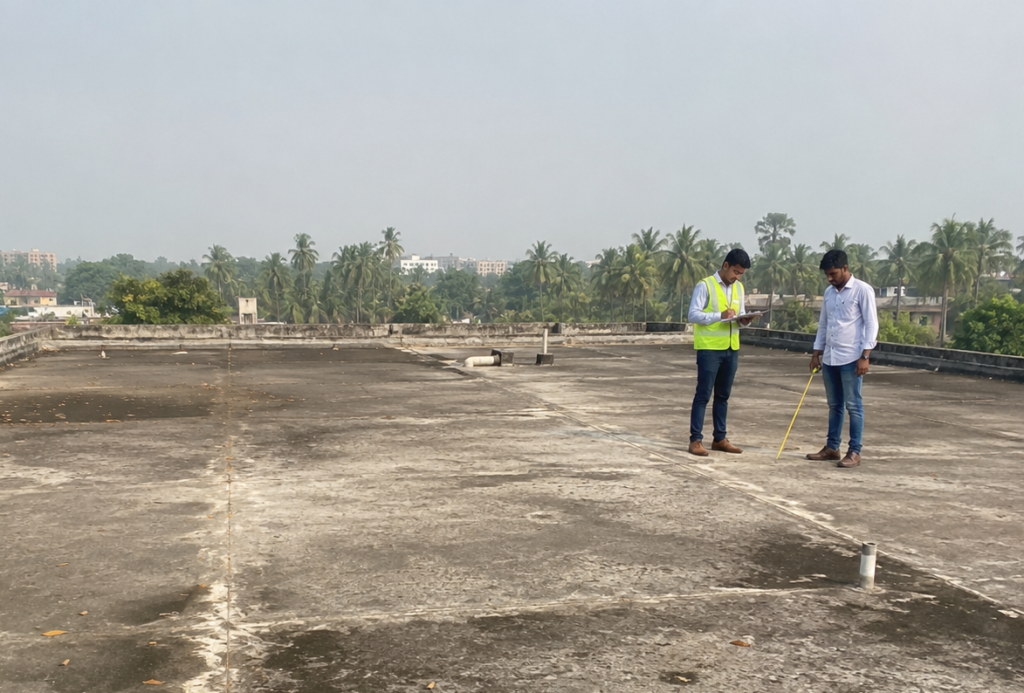
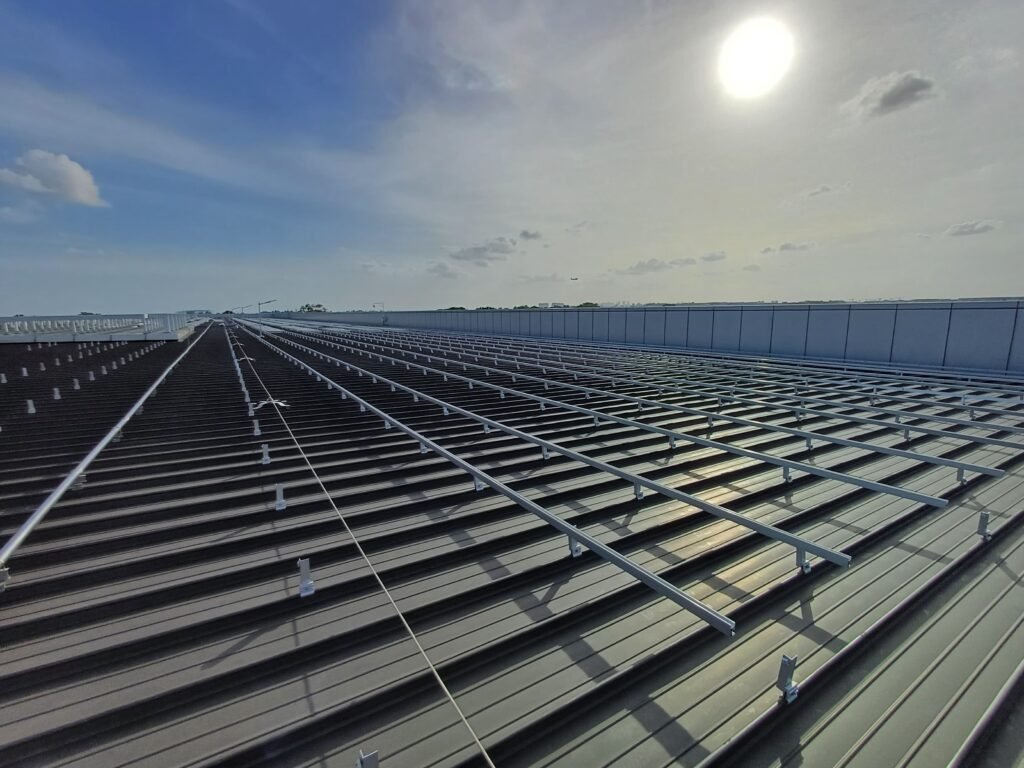
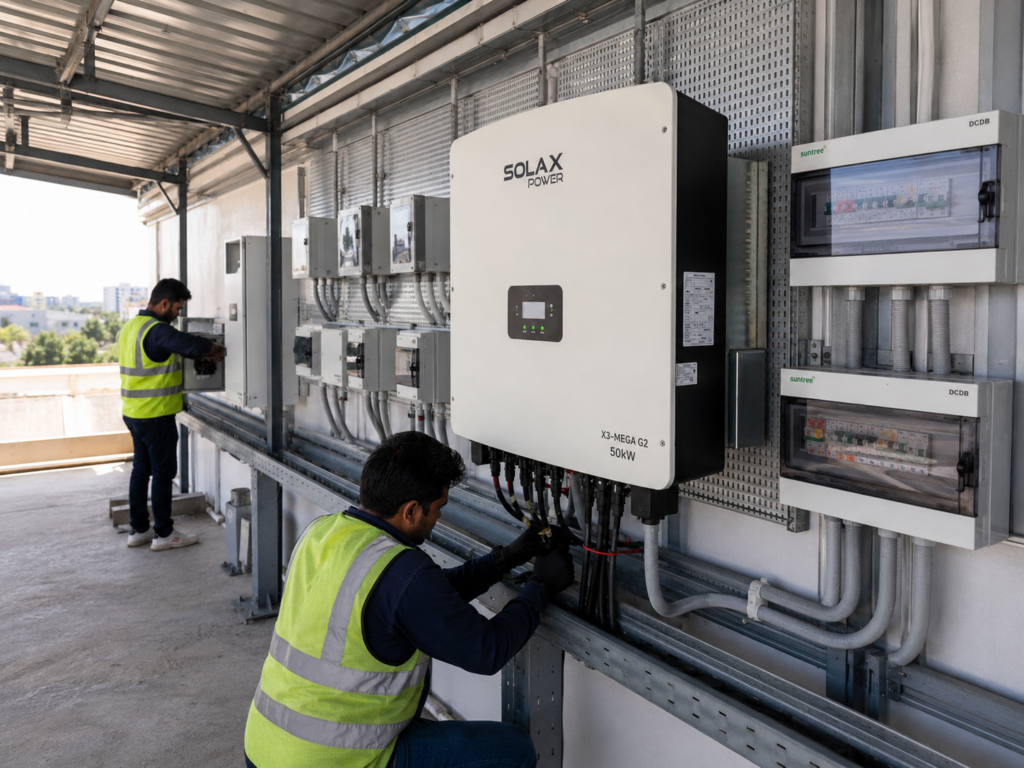
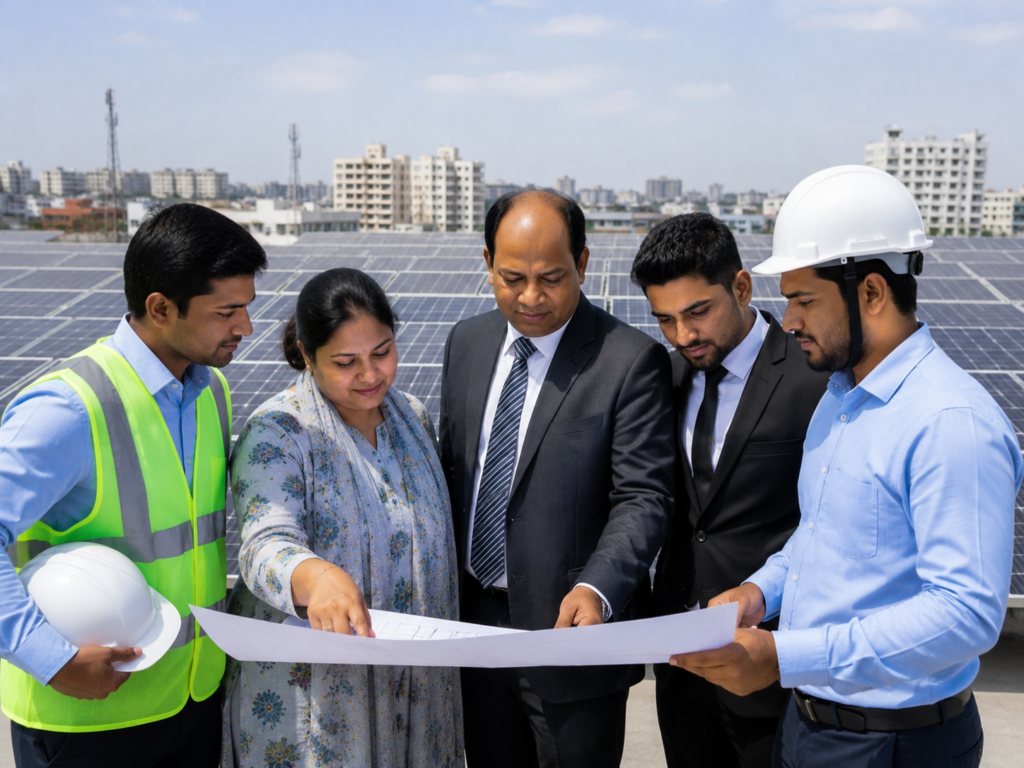
Rooftop, commercial, factory, inverter, net meter, protection, and completed on-grid solar work — documented across our projects.
Components
System Components
Final product selection depends on system design, project requirement, utility condition, product availability, warranty condition, and client approval.







Why FSP
Design-First On-grid Engineering
Design Before Price
Engineering first, quotation second.
Bill & Load Review
Your real consumption drives the size.
Roof Assessment
Structure & shading verified first.
Net Metering Feasibility
Eligibility checked before promises.
Safe Electrical Integration
Correct DB/grid-side integration.
Protection Planning
Complete DC/AC protection & earthing.
Testing & Commissioning
Full validation before go-live.
O&M & AMC Support
Structured long-term maintenance.
Keep Exploring
Related Pages
FAQ
On-grid Solar Questions
What is an on-grid solar system?
Who should choose on-grid solar?
Does on-grid solar provide backup during load shedding?
What is net metering?
Is net metering approval guaranteed?
What information is needed for an on-grid solar quotation?
Is a site visit required before final quotation?
How is system size calculated?
How much roof space is required?
How is ROI calculated?
What protection system is needed?
Can on-grid solar be upgraded to hybrid later?
What maintenance is required?
Ready to Design Your On-grid Solar System Correctly?
Before recommending system size or price, FSP reviews your electricity bill, daytime load, roof condition, cable route, grid connection, net metering possibility, protection requirement, and future expansion plan.