
Solar Projects Explained Through Engineering Thinking
Explore how solar projects should be studied, designed, evaluated, documented, and supported before becoming a long-term energy asset.
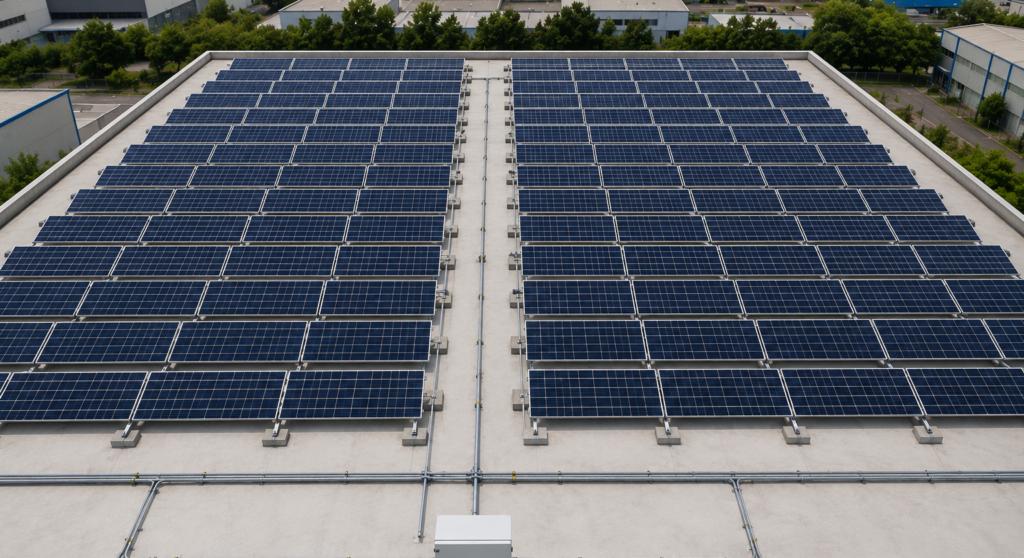
How We Judge a Project
A Good Solar Project Is Not Judged by Panel Count or Price
It should be judged by the engineering behind it. That is the lens every FSP case study is written through.
Load Analysis
What the system actually needs to power, and for how long.
Roof Condition
Usable area, structure, and shading — documented, not assumed.
Design Quality
Sizing, layout, and component matching done by engineers.
Safety
Protection, earthing, and lightning safety in every design.
Generation Target
Calculated output with assumptions you can verify.
Cable Route
Voltage drop and path planned for minimal loss.
Installation Quality
Execution that matches the approved design.
Handover & Support
Documentation and after-sales that continue for years.
Featured Case Studies
Real FSP Project Case Studies
A selection of real FSP projects — each shown with its actual site, capacity, engineering scope, and current stage. Generation and saving figures are engineering estimates until a system is commissioned and measured.

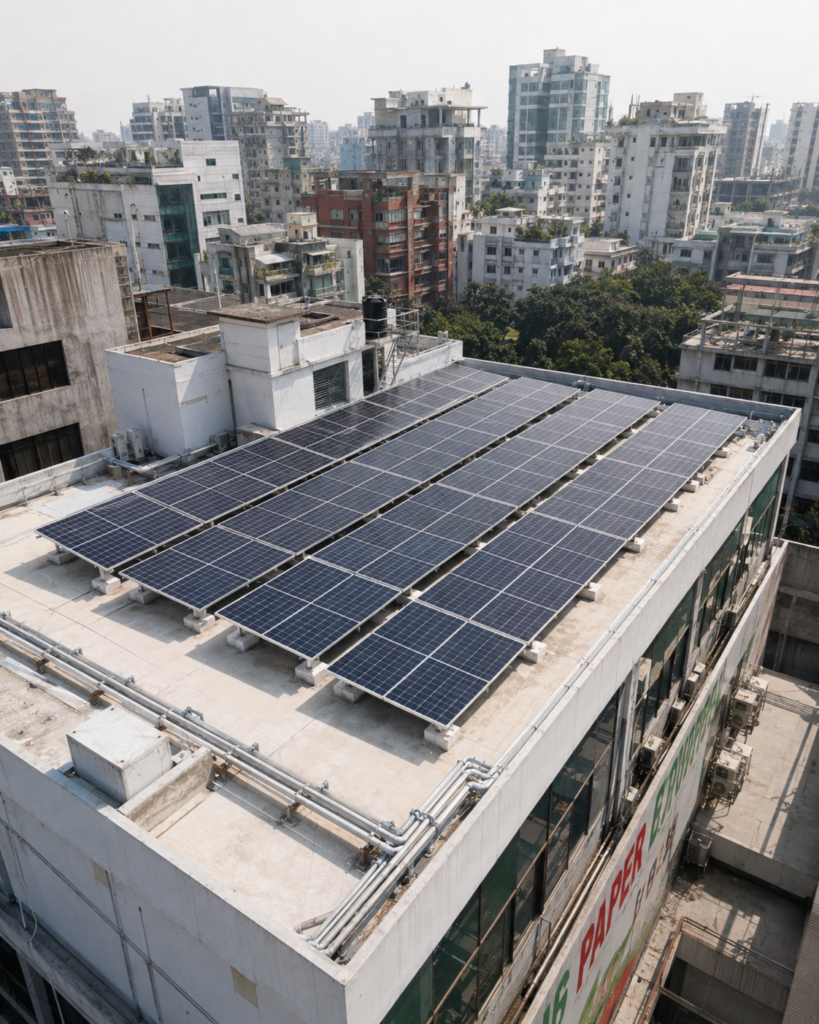
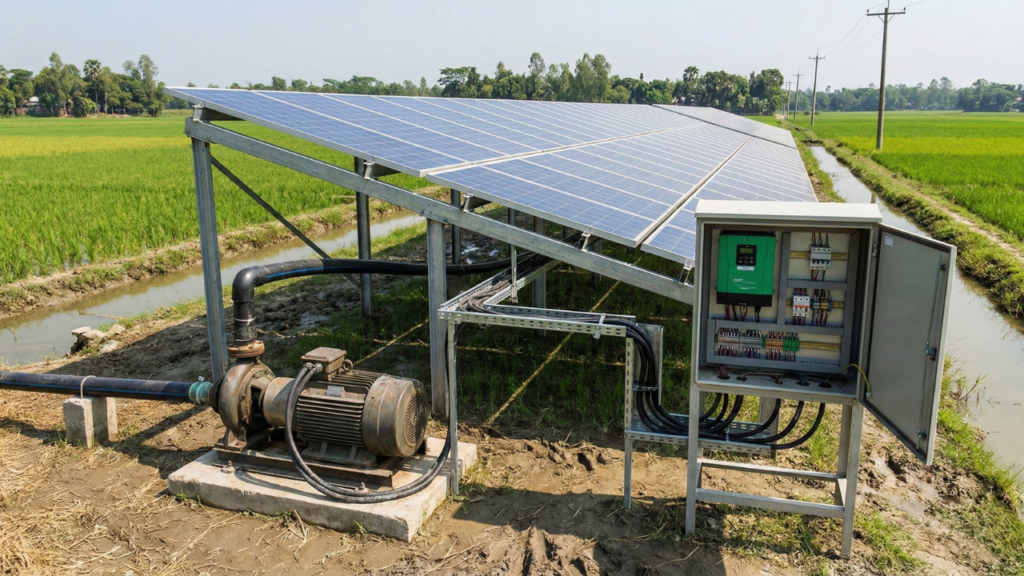
Case Study Template
How Every FSP Case Study Is Structured
Below is an illustrative example showing how a complete FSP case study reads. The figures are example values — every field is filled with your real, verified project data.
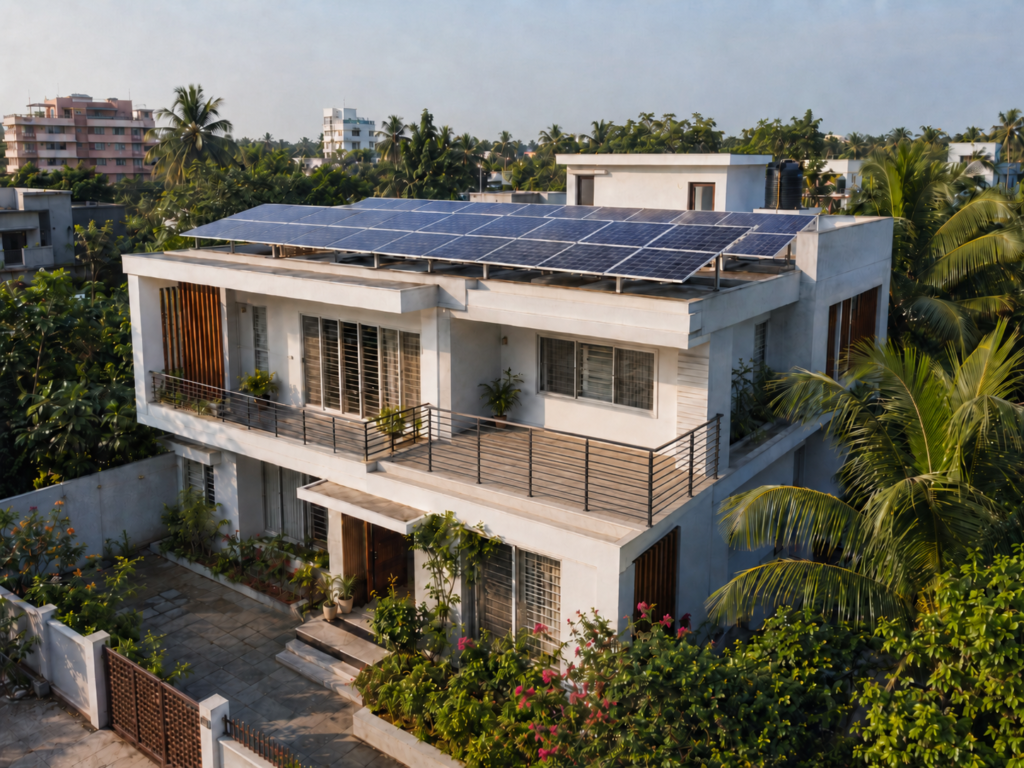
| Field | Example value |
|---|---|
| Client / Project Type | Commercial Rooftop (example) |
| Location | Chandpur (example) |
| System Size | ≈ 30 kW (example) |
| Existing Problem | High daytime tariff + generator fuel cost |
| Load / Bill Condition | ≈ ৳45,000/mo · daytime load ≈ 25 kW (example) |
| Site Condition | RCC roof · ≈ 3,000 sq ft usable · minimal shading |
| Proposed Solar Solution | On-grid · ≈ 30 kW · net metering |
| Engineering Considerations | String sizing · cable route · protection · structure |
| Expected Generation | ≈ 43,000 kWh/year (estimate) |
| Expected Saving | ≈ ৳3.6 lakh/year at current tariff (estimate) |
| Safety & Protection Plan | SPD · earthing · lightning protection · breakers |
| Handover / Support Plan | Documentation · training · AMC scope |
| Final Outcome / Benefit | Reliability + saving + 20-year asset value |
Engineering Review Framework
What We Check Before Any Final Recommendation
Every project passes through this review before we propose a system size or price.
- Load pattern — what runs, when, and for how long
- Roof space — usable shadow-free area
- Roof strength — structural load-bearing capacity
- Shadow analysis — morning-to-evening shading
- Inverter location — ventilated, accessible, safe
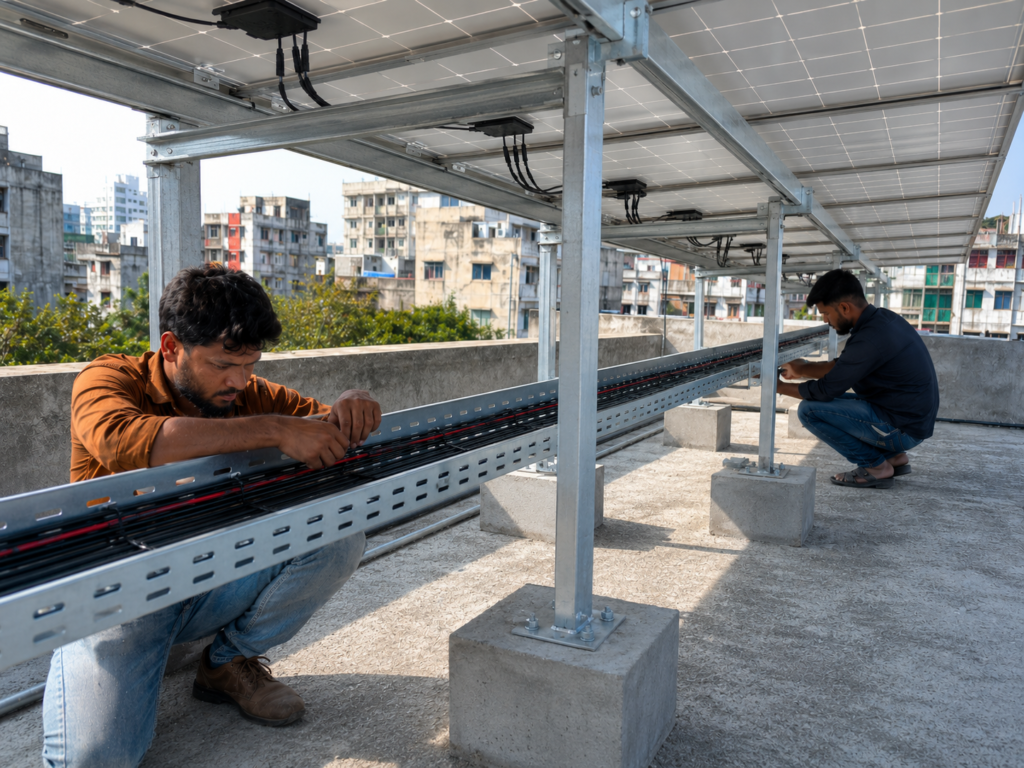
- Cable route — voltage drop and path
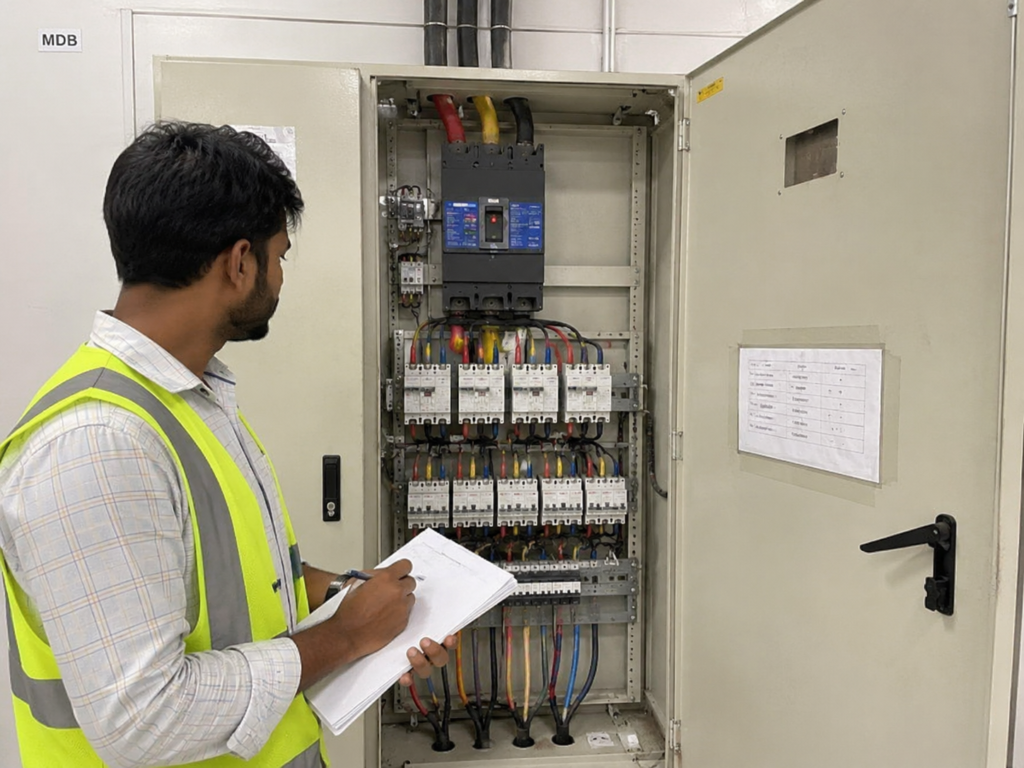
- DB / MDB condition — interconnection readiness
- Earthing — resistance and electrode condition
- Lightning protection — by site exposure
- Net metering possibility — utility and policy check
- Maintenance access — safe long-term servicing
- Future expansion — headroom for load growth
Project Visual References
Project Gallery
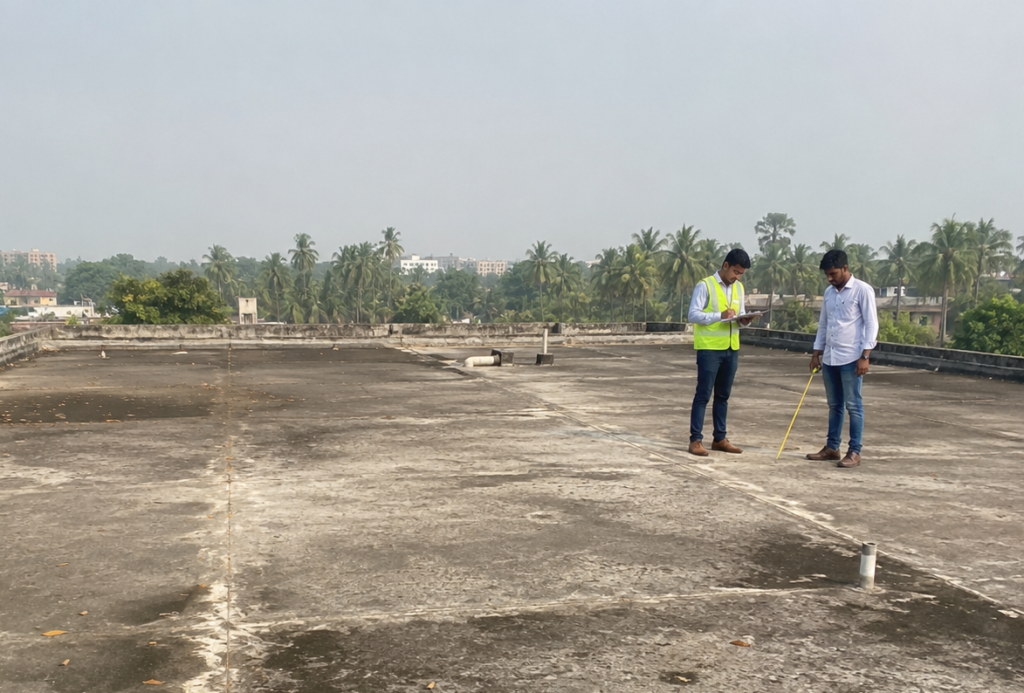
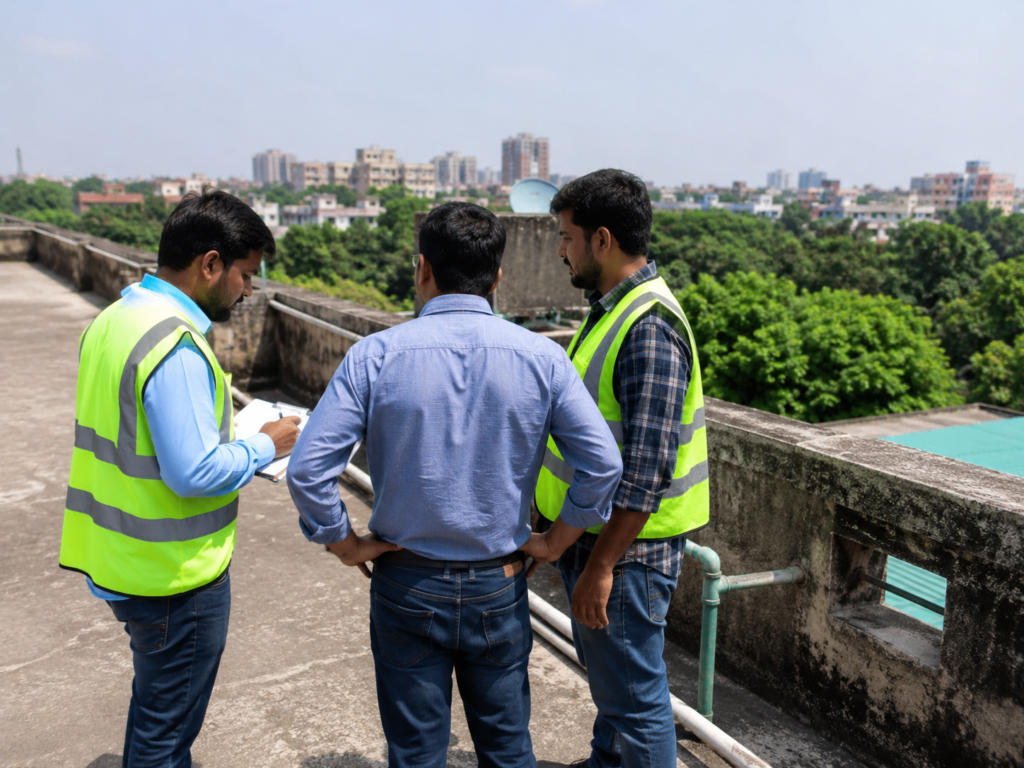
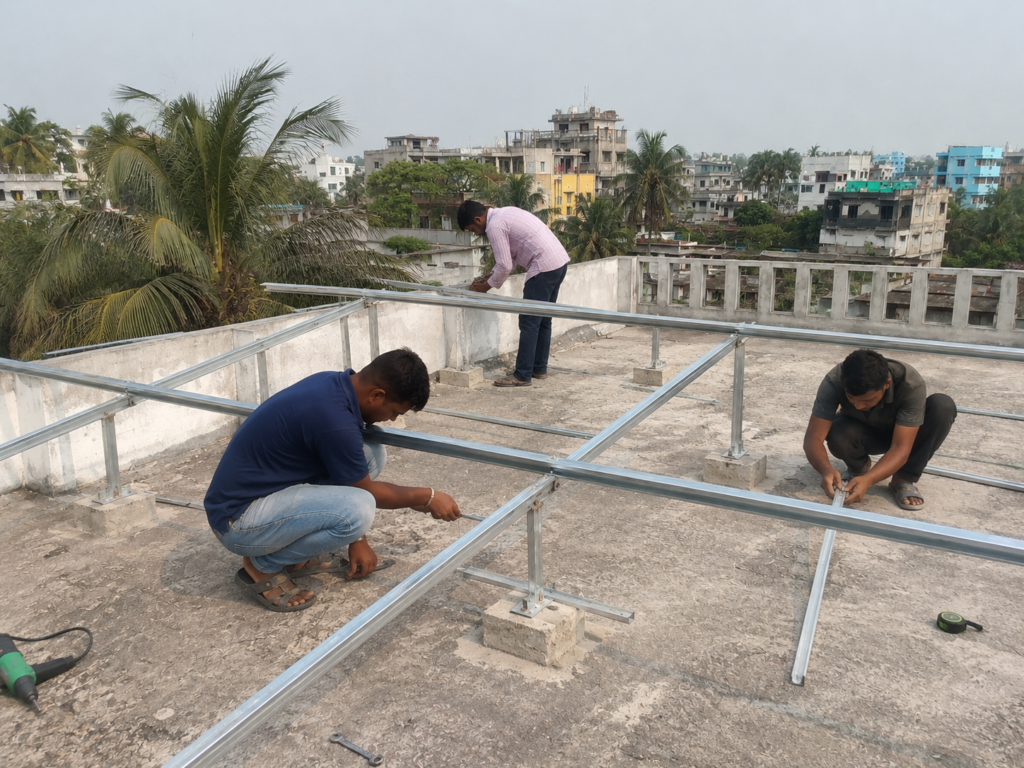
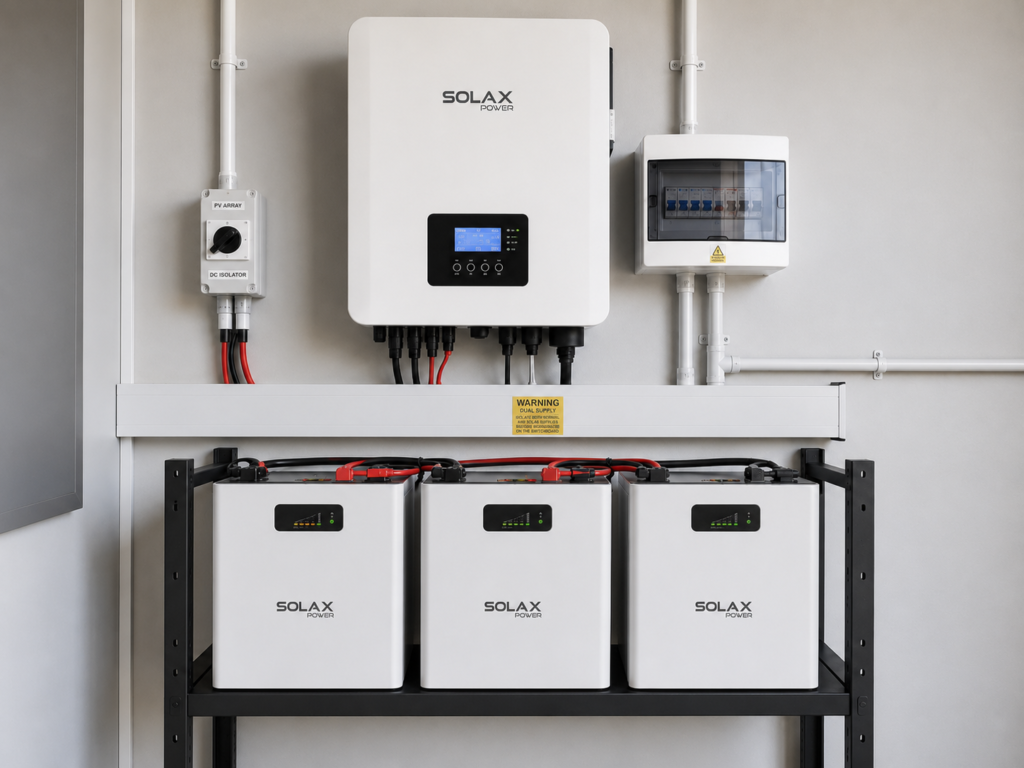
Site condition, installation stage, engineering work, and final system views — documented across our projects.
Components & Standards
Brands We Design With
We design with internationally recognized component brands, selected per project for performance, warranty, and availability.





Results & Learning
What a Well-Studied Project Delivers
Energy Saving Potential
A correctly sized system maximizes self-consumption — actual savings depend on tariff and usage (estimated per project).
Better Load Understanding
The load study gives the client a clear picture of their real energy use.
Safer System Design
Protection and earthing engineered in — risk reduced, not transferred to the client.
Clear Project Documentation
Datasheets, test reports, and layout handed over — a complete system record.
Better Maintenance Planning
Designed for safe access and supported by structured O&M / AMC.
Long-Term Support
Our responsibility continues for the working life of the system.
Keep Exploring
Related Pages
By Project Type
Start a Project
Learn More
FAQ
Case Study Questions
What information is needed to create a solar case study?
Can FSP prepare a project assessment before final quotation?
Why does roof condition matter in solar design?
Does FSP show real project data?
Can project photos and client names be added later?
How are expected savings calculated?
Why is handover documentation important?
Ready to Study Your Solar Project Properly?
Before recommending system size or price, FSP reviews your load, roof condition, safety requirements, cable route, generation target, and future expansion plan.