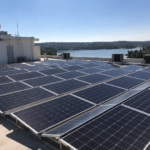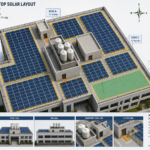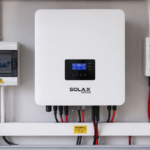

Mosques, madrasas and schools have large roofs, use most of their electricity in daylight, and serve whole communities. That makes them ideal for solar — and in October 2026 two decisions pushed them firmly in that direction.
Updated October 2026 · Written and reviewed by the Frostec Solar Powers engineering team
- On 6 October 2026, Parliament’s Standing Committee on Religious Affairs recommended rooftop solar projects at mosques and a national policy on mosque electricity use.
- A Madrasah Education Board notice of 12 October 2026 requires new rooftop solar on madrasah premises to follow the OPEX model — the institution does not pay for equipment.
- That notice follows an ECNEC decision of 19 August 2026 directing public bodies to use OPEX for rooftop solar.
- Daytime prayers, classes and water pumping match solar generation; evening loads need grid or battery.
- Options: OPEX (no upfront cost), community-funded CAPEX, or a 5–6% solar loan.
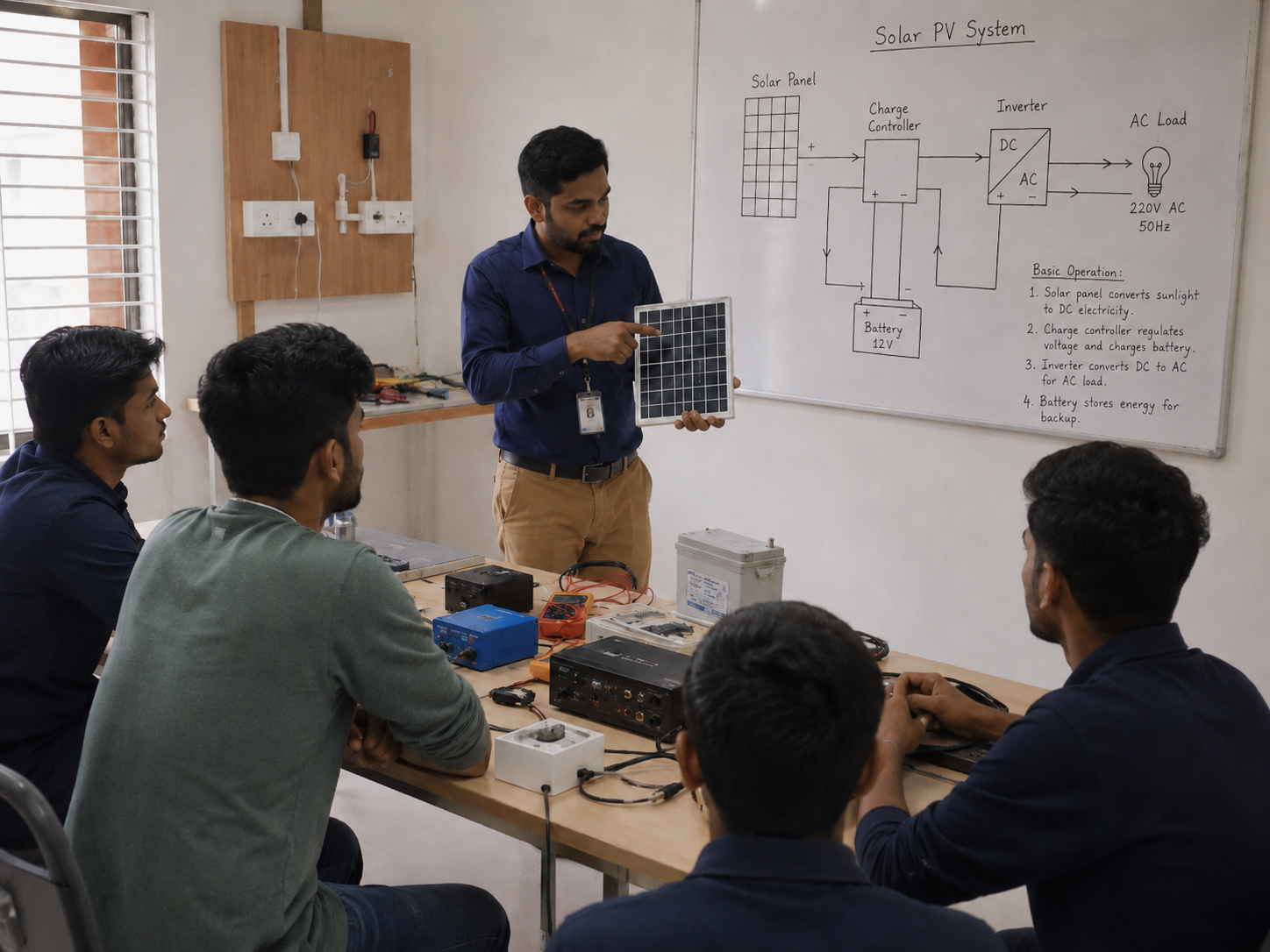
The October 2026 decisions
| Date | Decision | Applies to |
|---|---|---|
| 19 Aug 2026 | ECNEC: new rooftop solar on public premises under the OPEX model | Ministries, divisions and agencies |
| 6 Oct 2026 | Parliamentary committee recommends rooftop solar at mosques and a mosque electricity policy | Mosques (recommendation) |
| 12 Oct 2026 | Madrasah Education Board: new rooftop solar must follow OPEX; non-compliant applications may be rejected | Madrasahs under the Board |
| Oct 2026 | Special Solar Power Installation Ordinance gives OPEX a standard legal agreement | Projects up to 5 MW |
Under the Power Division circular of December 2025, solar is optional for educational institutions, hospitals and charities on single-phase connections. See the 2026 ordinance explained and the net-metering rules.
Why these buildings suit solar
- Mosques: Zuhr, Asr and especially Jumu’ah prayers fall in the sunniest hours, when fans, lights, the sound system and the ablution water pump are all running.
- Schools and madrasas: classes run in daylight — fans, lights, computer labs and projectors.
- Large flat roofs with few obstacles, and stable long-term ownership.
- Holidays and weekends: surplus can be exported under net metering instead of wasted.
Evening needs (Maghrib and Isha prayers, hostel lighting) are covered by the grid, or by a battery where load shedding is frequent — see which backup actually works.
Example: a medium-sized mosque
- Loads: 20 ceiling fans (≈ 1.4 kW), 30 LED lights (≈ 0.45 kW), sound system (≈ 0.3 kW), ablution water pump (≈ 0.75 kW for about 2 hours).
- Daytime use: roughly 12–15 units a day.
- Suggested system: about 4–5 kW on-grid, producing roughly 15–19 units a day on average.
- Indicative cost (CAPEX): about ৳1.3–1.6 lakh at Frostec’s indicative ৳32 per watt — or zero upfront under OPEX.
Many communities fund mosque and madrasa solar through donations, because the benefit continues for 25 years or more. If you prefer to own the system, a 5–6% solar loan is also available — see solar loans.
Choosing between OPEX and community-funded CAPEX
| OPEX | CAPEX (donation or loan) | |
|---|---|---|
| Upfront cost | None | Full cost |
| Monthly payment | For solar electricity, at an agreed rate | None after payment (or loan instalment) |
| Long-term saving | Moderate | Highest |
| Maintenance | By the solar company | By the committee (AMC recommended) |
| Required for | Madrasahs under the Board (new projects); public bodies | Private mosques and schools may choose |
Safety and design points
- Raised frames where the roof is used for Eid prayers, gatherings or drying.
- Lightning protection — minarets and domes are high points; earthing must be designed properly.
- Cable routes away from walkways, with inverters out of reach of children.
- Clear responsibility for cleaning and monitoring — see our Support & AMC plans.
Frequently Asked Questions
Can mosques get rooftop solar in Bangladesh?
Yes. On 6 October 2026 Parliament’s Standing Committee on Religious Affairs recommended rooftop solar projects at mosques. Mosques can install solar through OPEX, community-funded CAPEX or a 5–6% solar loan.
Must madrasahs use the OPEX model for solar?
According to a Madrasah Education Board notice dated 12 October 2026, new rooftop solar projects on madrasah premises must follow the OPEX model, so the institution does not bear equipment costs. Non-compliant applications may be rejected.
How much solar does a mosque need?
A medium-sized mosque using about 12–15 units in the daytime typically needs about 4–5 kW of panels. The exact size depends on fans, lights, pumps and air conditioning.
Can solar run the mosque during Maghrib and Isha?
Only with a battery, because panels produce no power after sunset. Most mosques use solar for daytime loads and the grid or a battery for evening prayers.
Is solar optional for schools?
Under the December 2025 Power Division circular, solar is optional for educational institutions, hospitals and charities on single-phase connections. Public institutions are directed to use OPEX for new rooftop solar.
Solar for Your Mosque, Madrasa or School
We survey the roof, size the system to prayer and class times, and explain the OPEX and CAPEX options to your committee.
Questions? Call or WhatsApp +880 1805-208117 or email info@frostecsolarpowers.com. Figures in this article are indicative and approximate; final values depend on your site survey, design and the manufacturer terms of the equipment supplied.