
On 1 September 2026 the Ministry of Power, Energy and Mineral Resources announced a special incentive for rooftop solar: Tk 10.50 for every unit of surplus electricity a battery-backed rooftop system exports to the grid. The window to qualify is short. This guide explains the rules in plain language.
Updated October 2026 · Written and reviewed by the Frostec Solar Powers engineering team
- Rate: Tk 10.50 per unit (kWh) of surplus electricity exported to the grid.
- Only rooftop systems with battery storage qualify. A standard on-grid system without battery should not be assumed eligible.
- Deadline: the system must be installed by 28 February 2027. The rate is paid until 28 February 2030.
- Payment goes to a bank or mobile financial service account through your distribution company — never in cash.
- Apply for net metering through the Power Division portal (nem.powerdivision.gov.bd) and get utility approval before exporting.
What exactly was announced?
A circular dated 1 September 2026 sets a guaranteed purchase price of Tk 10.50 per unit for surplus electricity from rooftop solar systems with battery storage. The Power Division arrived at this figure from a benchmark generation cost of Tk 8 per unit, then added a 20% return (Tk 1.60) and an 11.25% premium (Tk 0.90). For comparison, the average retail electricity price set by BERC is Tk 10.40 per unit.
The incentive works under the Net Metering Guidelines 2025, which already allow:
- Solar capacity up to 100% of your sanctioned load (previously 70%).
- Single-phase connections, so ordinary homes can apply.
- Prepaid and smart meters.
- Online applications with SMS and email tracking.
Who qualifies?
| Requirement | What it means for you |
|---|---|
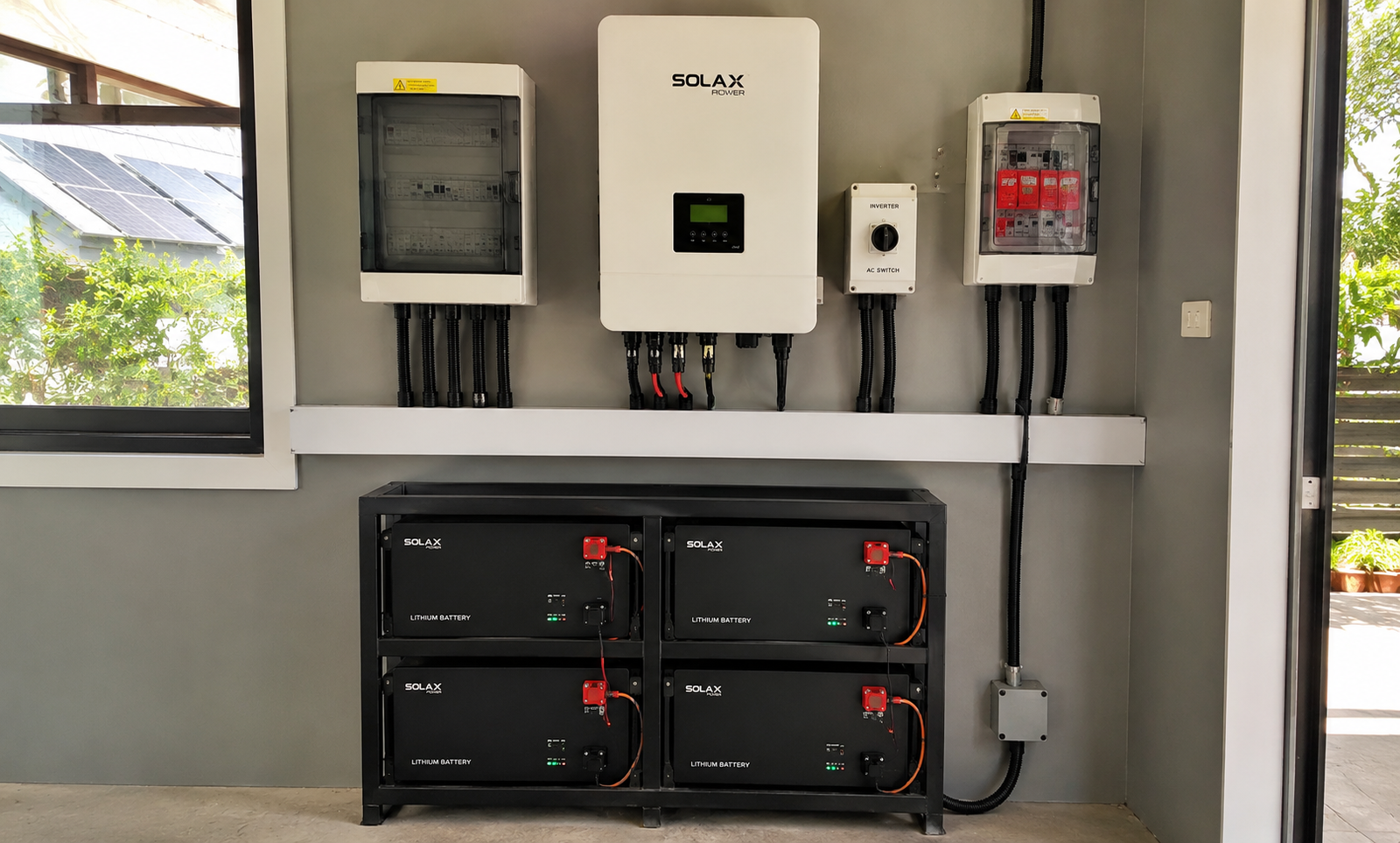
| Rooftop system with battery storage | A hybrid system (panels + hybrid inverter + battery). Ask your installer to confirm the design meets the battery requirement. |
| Installed by 28 February 2027 | Systems installed after this date do not get the special rate. |
| Net-metering connection | Government and private buildings connected under net metering and approved by the distribution company. |
| Standard-compliant equipment | Panels, batteries, inverters and meters must meet BSTI and SREDA technical standards. |
| Surplus export only | You are paid only for electricity left over after your own use. |
How payment works
Your distribution company (DESCO, DPDC, BREB/PBS, NESCO or WZPDCL) records the electricity you import and export, and pays for surplus exports into your bank account or MFS account. Cash payment is not allowed. One published report says utilities credit 90% of net exports each quarter and keep 10% as a distribution maintenance charge — ask your utility to confirm this for your connection.
How to apply — step by step
- Collect 12 months of electricity bills to understand your consumption and sanctioned load.
- Get a site survey of the roof: usable area, shading, structure and the space for battery and inverter.
- Receive an engineered design with model numbers of panels, inverter and battery that meet BSTI/SREDA standards.
- Apply online at nem.powerdivision.gov.bd: select your distribution company, enter your consumer account number and submit the project details.
- Install and commission the system, then complete the utility inspection.
- Receive approval and the bidirectional meter before you start exporting.
- Keep every document: application, approval letter, equipment specifications, commissioning report, meter details and bank details.
Equipment import, installation and utility inspection all take time. With the deadline about four months away, starting the survey now is the safest course.
Worked example: does it pay?
Take a family in Dhaka that uses about 600 units a month and installs a 5 kW hybrid system with a lithium battery.
- Generation: about 3.8 units per kW per day × 5 kW ≈ 19 units a day (≈ 570 a month).
- Used at home (direct use by day plus battery at night): about 13 units a day ≈ 390 units a month. These come off the top of the bill — the 401–600 slab at ৳15.01, the 301–400 slab at ৳9.62 and part of the 201–300 slab at ৳9.10 — saving about ৳4,780 a month.
- Exported: about 6 units a day ≈ 180 units a month × ৳10.50 ≈ ৳1,890 (about ৳1,700 if 90% is credited).
- Total value: roughly ৳6,500 a month, or about ৳78,000–80,000 a year.
- Indicative investment: about ৳3.75 lakh at Frostec’s indicative hybrid rate of ৳75 per watt — a simple payback of roughly 4.5–5 years, before VAT, maintenance and future battery replacement.
See the full method in our Solar ROI & Payback Guide, and check the residential tariff slabs before you decide.
Common mistakes to avoid
- Buying an on-grid-only system and assuming it qualifies — the incentive requires battery storage.
- Exporting before the utility approves and installs the bidirectional meter.
- Choosing unlisted equipment that fails the BSTI/SREDA standard check at inspection.
- Oversizing for export without considering roof strength, shading and battery life.
Frequently Asked Questions
How much does the government pay for rooftop solar electricity in 2026?
Tk 10.50 per unit for surplus electricity exported to the grid from battery-backed rooftop solar systems installed by 28 February 2027. The rate applies until 28 February 2030.
Does an on-grid solar system without a battery get Tk 10.50?
It should not be assumed. The incentive announced on 1 September 2026 applies to rooftop systems with battery storage. On-grid systems can still use normal net metering.
How do I apply for net metering in Bangladesh?
Apply online through the Power Division portal nem.powerdivision.gov.bd. Select your distribution company, enter your consumer account number, submit project details, then complete the utility inspection and get approval before exporting.
How will I receive the money?
Your distribution company measures exported electricity and pays into your bank account or mobile financial service account. Cash payments are not allowed.
What happens after February 2030?
The special rate is guaranteed only until 28 February 2030. After that, exports are expected to be settled under the prevailing net-metering rules. Your savings from using solar electricity yourself continue for the life of the system.
Beat the 28 February 2027 Deadline
Book a site survey now. We design battery-backed systems with standard-compliant equipment and handle the net-metering paperwork with your distribution company.
Questions? Call or WhatsApp +880 1805-208117 or email info@frostecsolarpowers.com. Figures in this article are indicative and approximate; final values depend on your site survey, design and the manufacturer terms of the equipment supplied.