
Solar Solutions Designed Around Real Load, Site & Long-Term Value
FSP provides residential, commercial, industrial, agriculture, hybrid, on-grid, off-grid, and battery backup solar solutions based on engineering review, safety, performance, and support.
Not One-Size-Fits-All
The Right Solution Depends on You
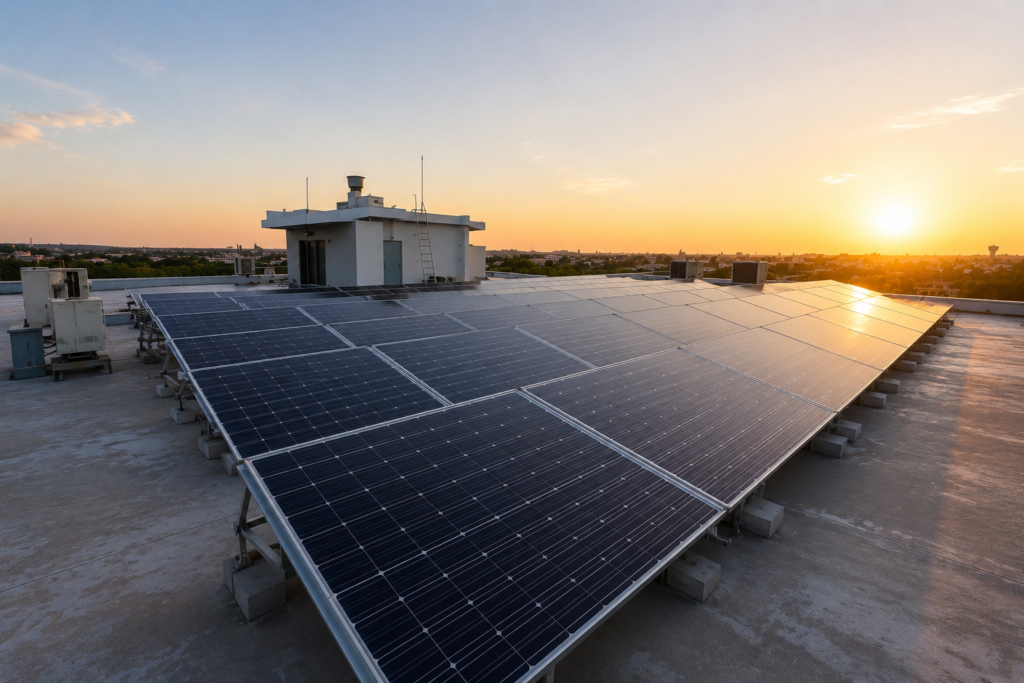
Every client does not need the same solar solution. A home, office, factory, farm, and remote site have different load patterns, roof conditions, backup needs, and financial goals. FSP studies these factors before recommending the right system.
This page helps you find your direction — but the final recommendation always depends on your load, electricity bill, site condition, roof space, backup need, safety requirement, and engineering review.
All Solutions
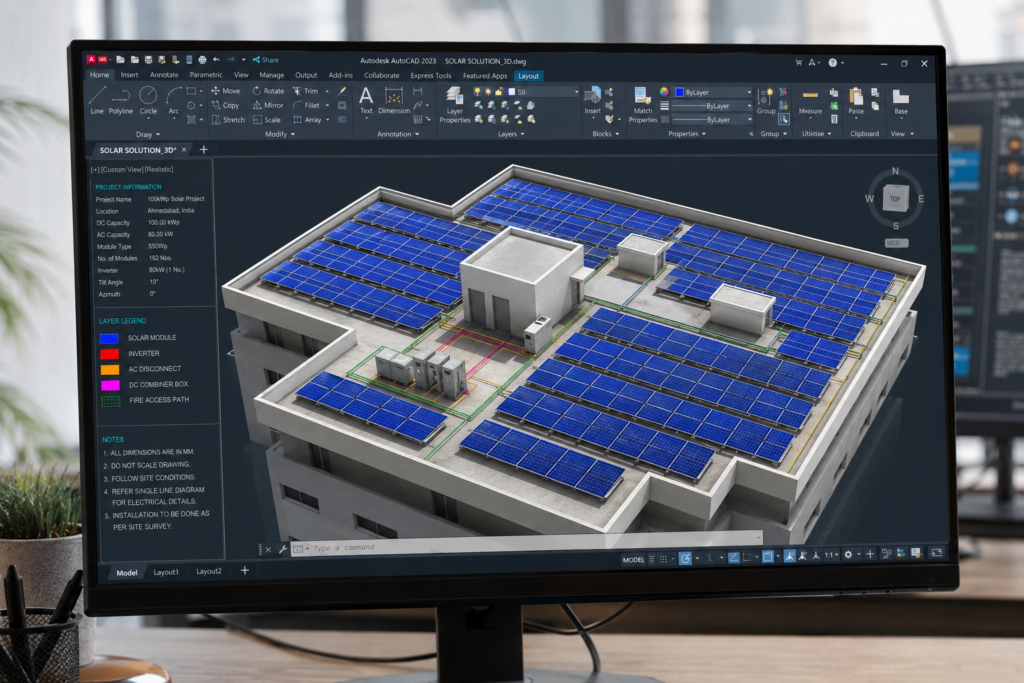
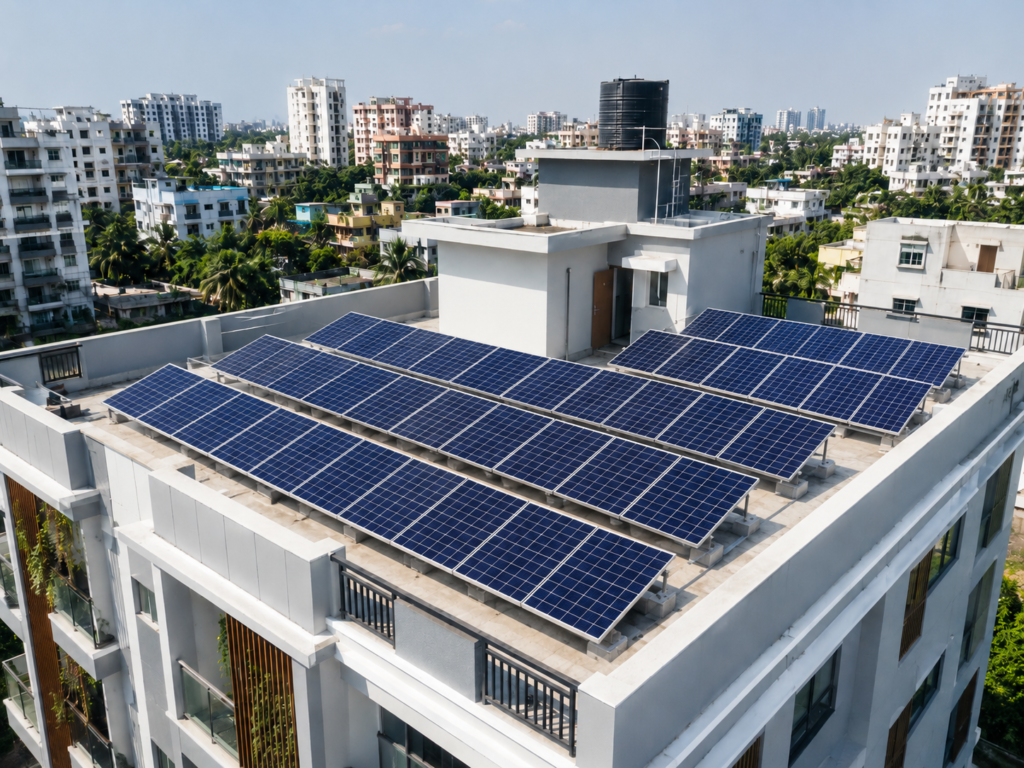
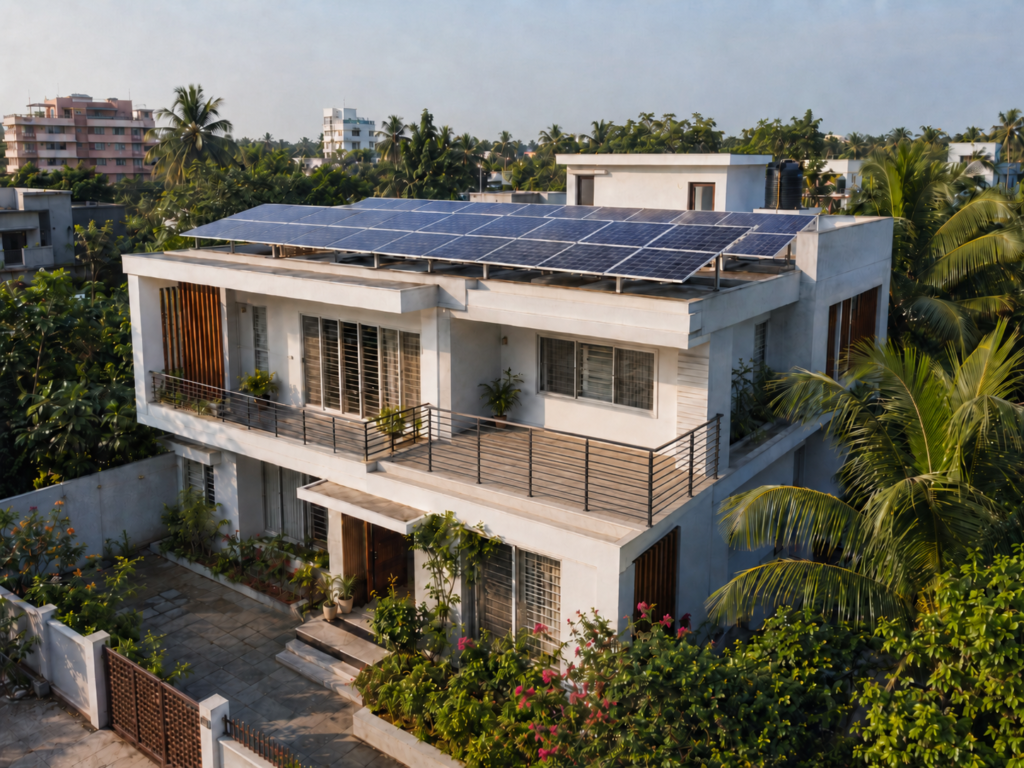
Eight Solar Solutions, One Engineering Standard
Decision Guide
Which Solution Is Right for You?
Find your situation below — then confirm it with a free engineering review.
I run a factory / large facility
→ Industrial Solar — engineered MW-scale cost reduction.
Industrial →I need irrigation / fish farm pumping
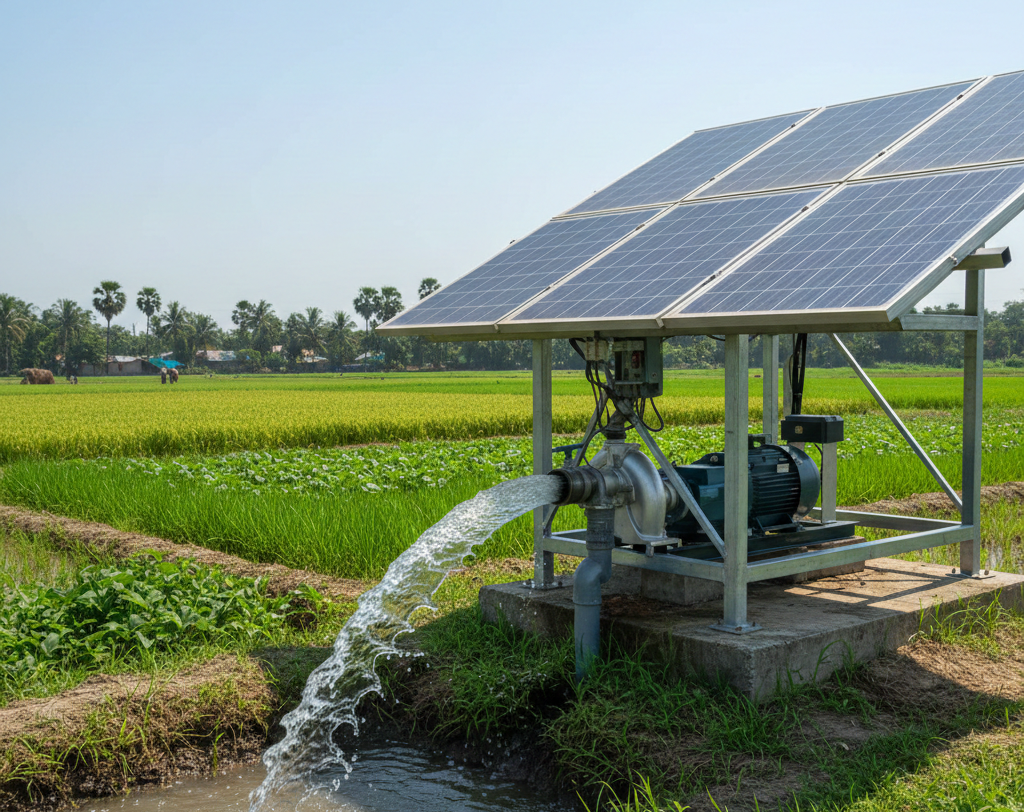
→ Agriculture Solar Pump — fuel-free water pumping.
Agriculture →Still not sure?
Share your bill and load — we’ll recommend the right direction, free.
Request Recommendation →System Types
On-grid vs Hybrid vs Off-grid vs Battery
On-grid Solar
- Grid-connected
- Best for bill reduction
- No battery by default
- No backup during grid failure
Hybrid Solar
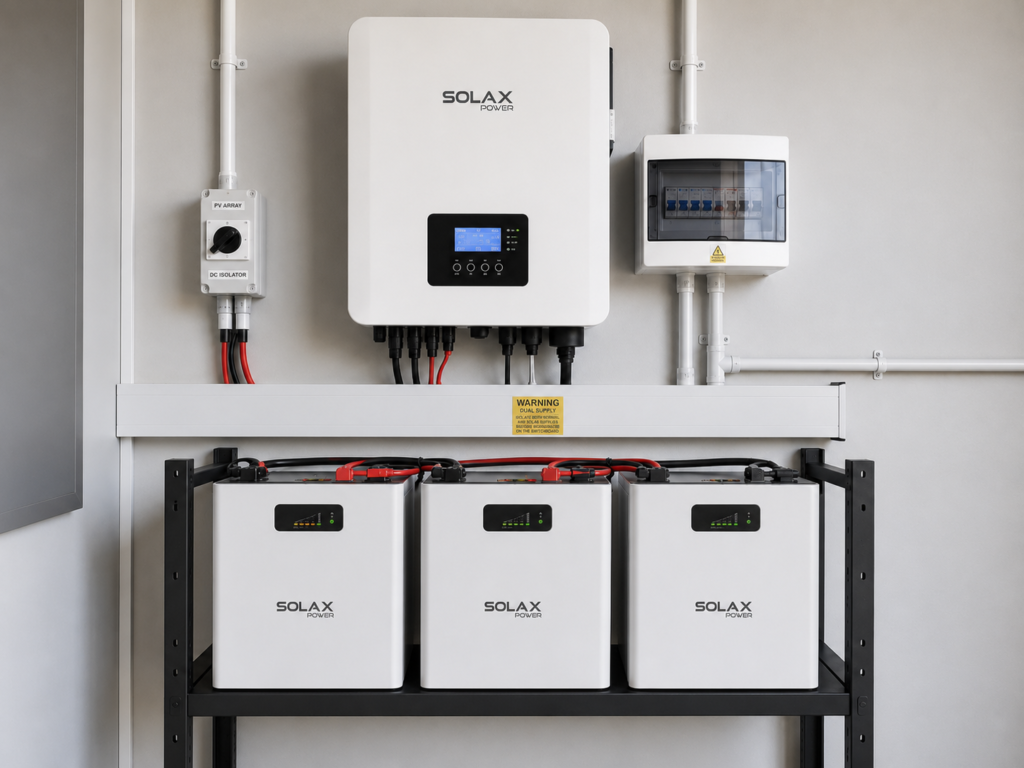
- Solar + inverter + battery + grid
- Supports selected backup loads
- Good for homes & businesses
- Needs load priority & battery sizing
Off-grid Solar
- Works independently from grid
- Battery is essential
- For remote / weak-grid sites
- Needs strict load control
Battery Backup
- Supports selected essential loads
- Depends on inverter & battery capacity
- Sized from real load list
- Adds backup to solar or grid
Engineering Review
What FSP Checks Before Recommending a Solution
- Electricity bill
- Monthly unit consumption
- Load list
- Daytime load
- Backup requirement
- Roof space
- Roof condition
- Shadow
- Inverter location
- Battery location
- Cable route
- DB / MDB / SDB condition
- Earthing
- Lightning protection
- Net metering possibility
- Maintenance access
- Future expansion
How We Work
From Inquiry to Long-Term Support
Inquiry
You share your goal and basics.
Client Type Identification
We match you to the right solution family.
Bill & Load Review
Consumption and load pattern analyzed.
Site Visit
Roof, structure, and route verified.
Solution Selection
The right system type confirmed.
Engineering Design
System sized from real data.
Quotation
Transparent scope and estimate.
Installation
Professional, safe execution.
Testing
Validation and safety checks.
Handover
Documentation and training.
Support / AMC
Long-term maintenance.
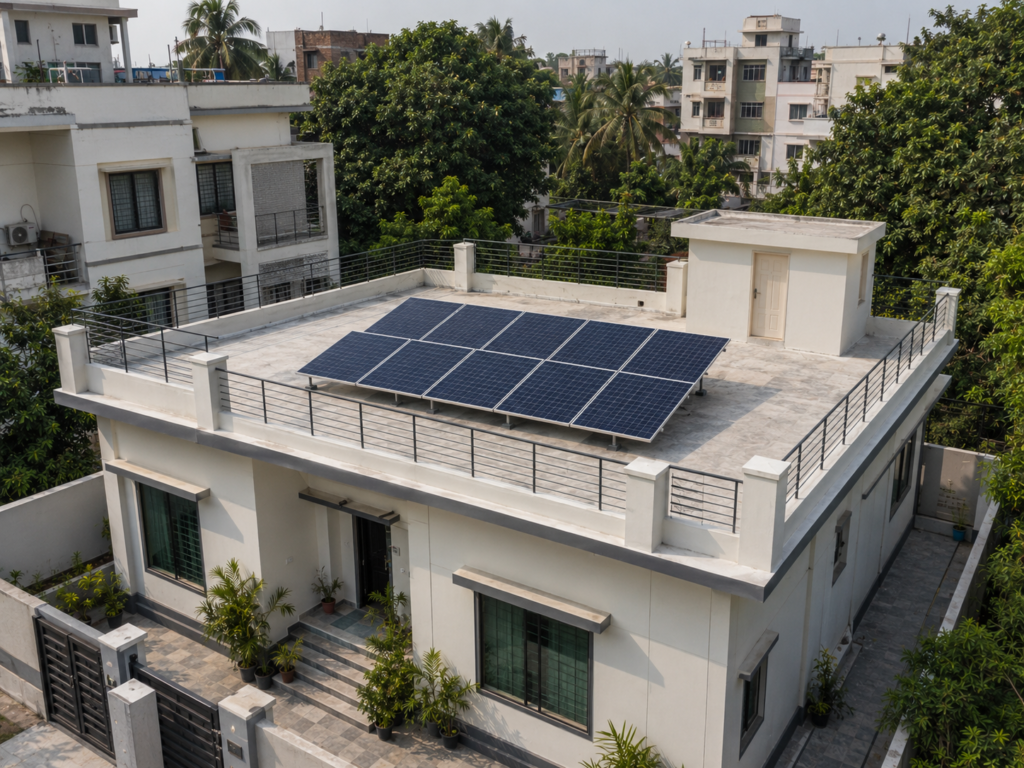
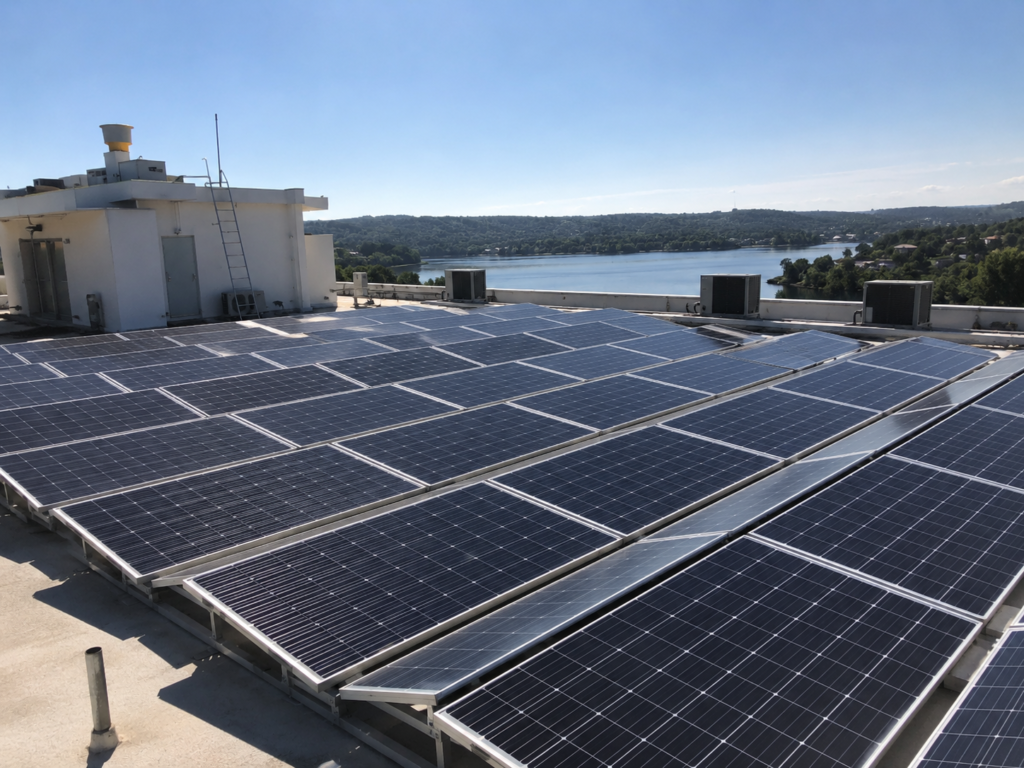
In Pictures
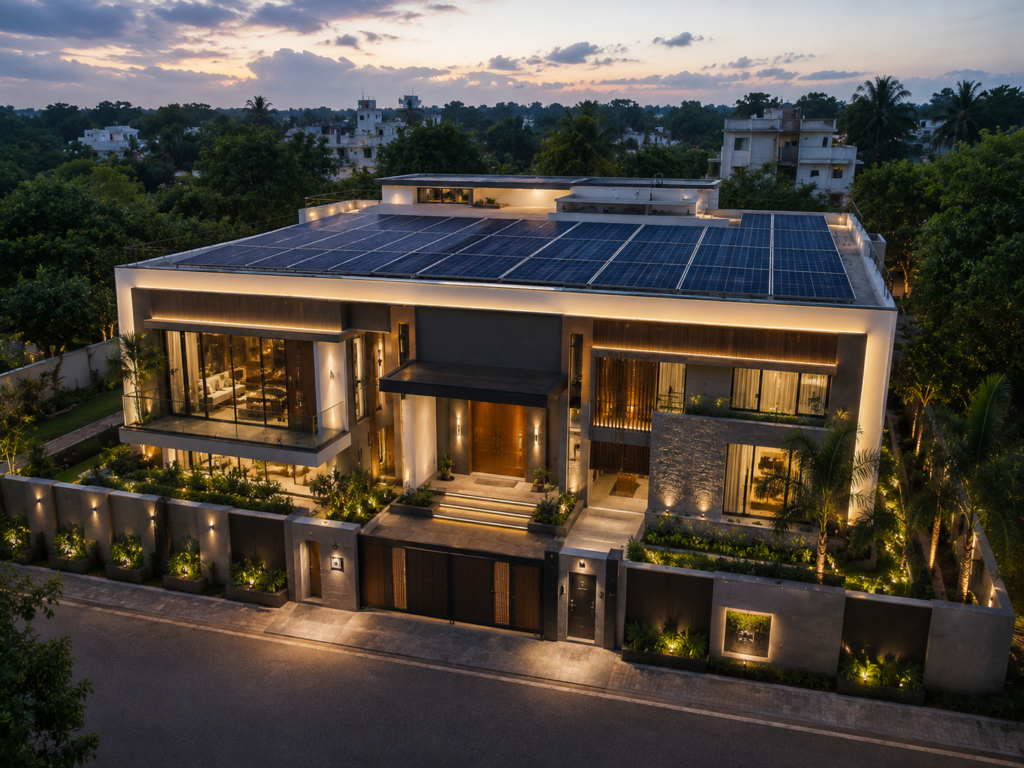
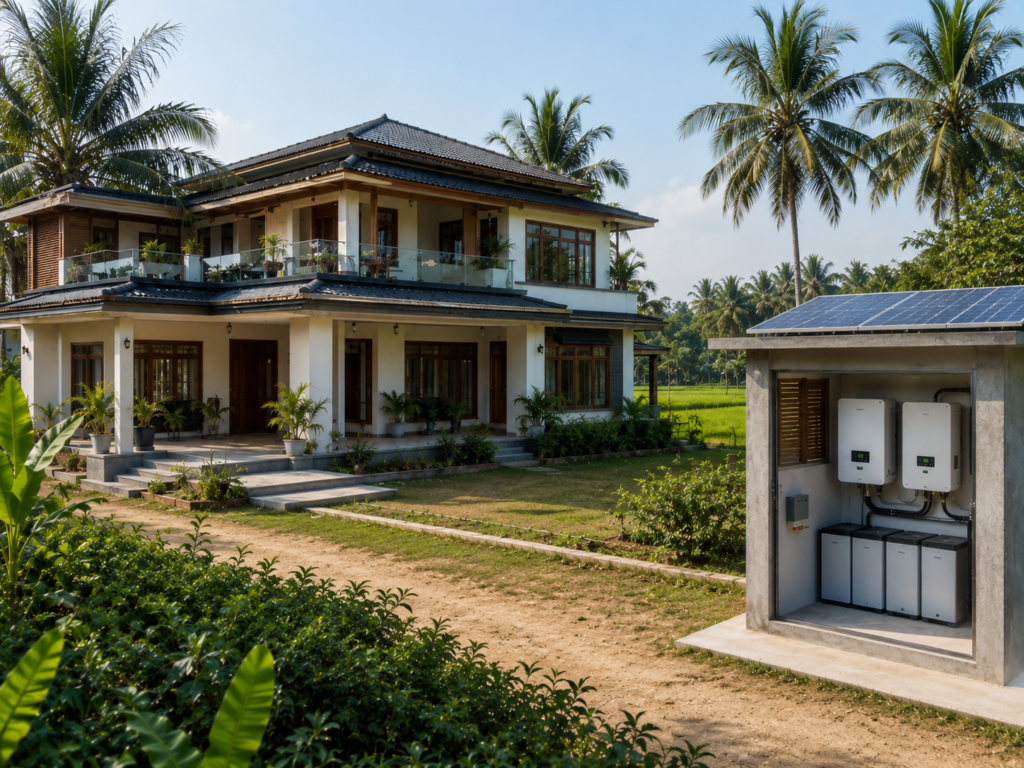
Solar Solution Gallery
A look at the solution types we design, install, and maintain — from rooftop systems to solar pumps.


Why FSP
The Same Standard Behind Every Solution
Design Before Price
Engineering leads, quotation follows.
Right System for Right Need
Matched to your situation, not a package.
Load & Bill Review
Real consumption drives the design.
Roof & Site Assessment
Verified on site before any proposal.
Safety Planning
Protection engineered into every system.
Clear Recommendation
A solution you understand and can verify.
Installation & Testing
Professional work, fully validated.
Long-Term Support
O&M and AMC after handover.
Keep Exploring
Related Pages
FAQ
Solution Questions
Which solar solution is right for me?
What is the difference between on-grid, hybrid, and off-grid solar?
Does on-grid solar provide backup?
Is hybrid solar better for homes?
Which system is better for factories?
Is solar pump suitable for agriculture?
Is a site visit required before final recommendation?
What information does FSP need before suggesting a solution?
Can one system be upgraded later?
Does FSP provide support after installation?
Need Help Choosing the Right Solar Solution?
Before recommending system type, system size, or price, FSP reviews your load, electricity bill, roof condition, backup requirement, safety needs, cable route, and future expansion plan.