
Before choosing panels or brands, you need to choose the type of solar system. It decides whether you get backup during load shedding, how much you save, what you can earn from net metering, and how much you pay. Here is the difference in plain language.
Updated October 2026 · Written and reviewed by the Frostec Solar Powers engineering team
- On-grid: lowest cost (≈ ৳32/W), biggest bill savings, net metering — but no power during outages.
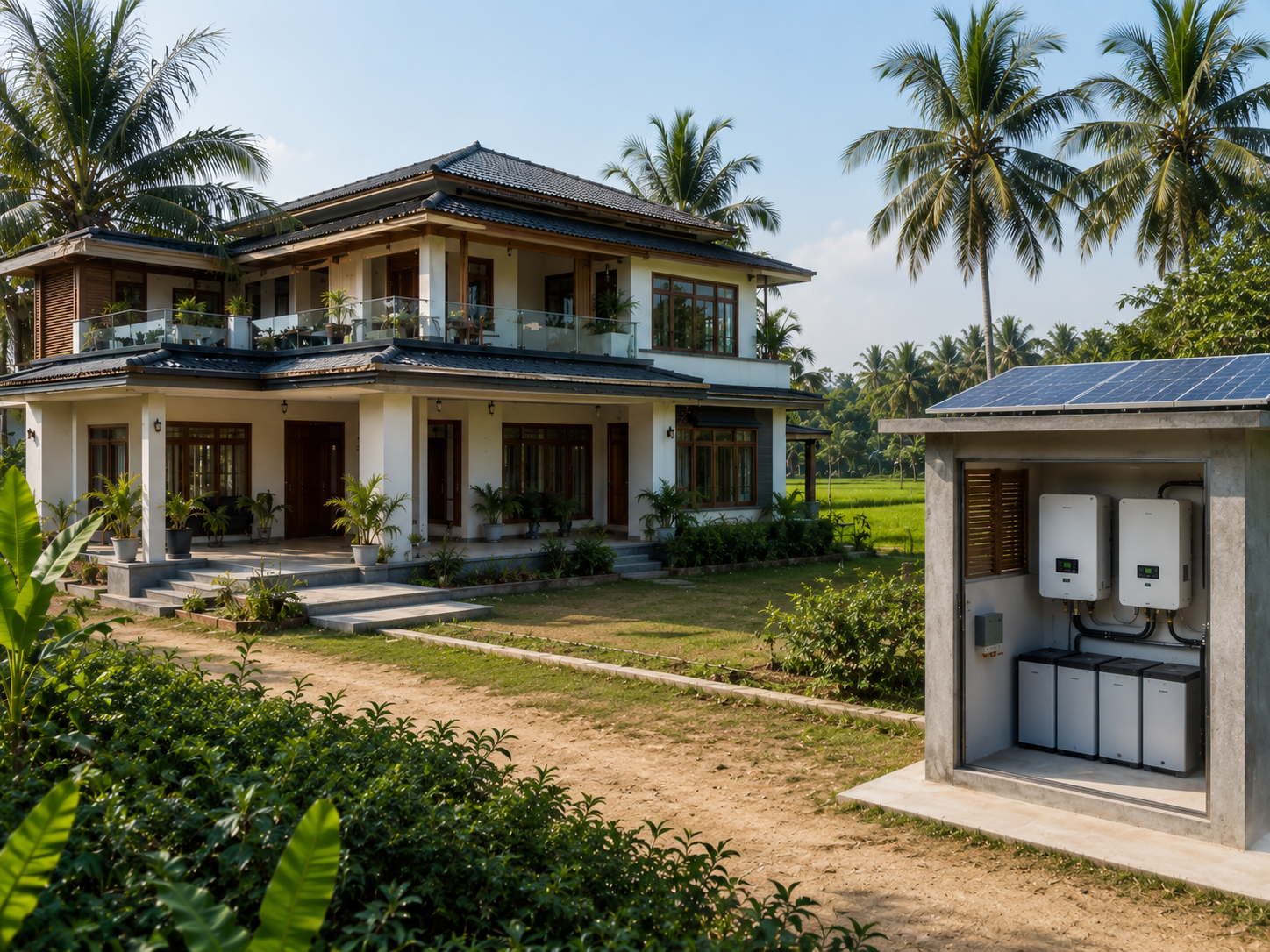
- Hybrid: solar + battery + grid; backup during load shedding plus net metering (≈ ৳75/W).
- Off-grid: no grid connection; for places without reliable electricity, sized around batteries.
- Battery-backed rooftop systems installed by 28 February 2027 may earn Tk 10.50 per exported unit.
- Choose by answering two questions: do you need backup, and is the grid available?
The three types at a glance
| On-grid | Hybrid | Off-grid | |
|---|---|---|---|
| Connected to grid | Yes | Yes | No |
| Battery | No | Yes | Yes (essential) |
| Power during load shedding | No | Yes, for backed-up loads | Yes, within battery capacity |
| Net metering | Yes | Yes | No |
| Tk 10.50 export incentive | Not assumed eligible | Eligible if installed by 28 Feb 2027 | No (not exporting) |
| Indicative turnkey cost | ≈ ৳32 per watt | ≈ ৳75 per watt | Designed per load and battery |
| Maintenance | Lowest | Moderate (battery) | Highest (battery-dependent) |
On-grid solar: maximum savings
Panels feed an on-grid inverter that supplies your building and exports surplus to the grid through a bidirectional net meter. It is the cheapest way to cut your bill and gives the fastest payback. Its limitation: the inverter switches off when the grid fails, for the safety of line workers. Ideal for offices, factories, schools and homes where outages are short or a generator already exists. More on our On-grid Solar page.
Hybrid solar: savings plus backup
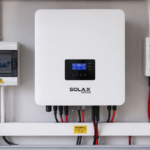
A hybrid inverter manages panels, battery and grid together. By day it powers your loads and charges the battery; during load shedding it switches your essential circuits to the battery; when the grid is present it can export under net metering. It costs more because of the battery, but solves both problems Bangladeshi users face — high bills and outages. See which backup actually works and our Hybrid Solar page.
Off-grid solar: where there is no reliable grid
An off-grid system stands alone: panels charge batteries, and an inverter supplies the loads. It is designed around the battery and the worst-case winter days, so it is sized more generously. It suits char areas, remote farms, fish projects, telecom sites and holiday homes without a dependable connection. Solar irrigation pumps are a special off-grid case that usually need no battery — see solar pump vs diesel. More on our Off-grid Solar page.
How to choose: two questions
- Is the grid available at your site? If no → off-grid.
- Do you need power during load shedding? If yes → hybrid. If no (short outages, or you already have a generator) → on-grid.
Many owners start on-grid and add a battery later. If that is your plan, ask for a design that allows it — the right inverter choice now makes the upgrade simple.
Typical choices we see
| User | Usual choice | Why |
|---|---|---|
| Flat or house in a city with evening outages | Hybrid | Backup for fans, lights, Wi-Fi and fridge |
| Office, school or shop open in daytime | On-grid | Daytime load matches generation; fastest payback |
| Factory with generator | On-grid | Cuts grid and diesel costs; see rooftop solar for factories |
| Clinic or cold storage | Hybrid | Critical loads must stay on |
| Remote farm or char area | Off-grid | No dependable grid |
To size any of these, start with our panel-count guide and sizing guide. Low-interest finance is available for all three — see solar loans.
Frequently Asked Questions
What is the difference between on-grid and hybrid solar?
An on-grid system has no battery and switches off during outages, but it gives the lowest cost and highest savings. A hybrid system adds a battery, so it powers essential loads during load shedding and can still use net metering.
Which solar system is best for load shedding in Bangladesh?
A hybrid system with a lithium battery. It charges from the sun during the day and powers essential loads during outages, including at night.
Is off-grid solar cheaper than on-grid?
No. Off-grid systems need larger batteries and are sized for worst-case days, so they usually cost more per watt than on-grid systems. They are chosen when the grid is not available.
Can I add a battery to an on-grid system later?
Often yes, by adding a hybrid inverter or an AC-coupled battery. Planning for it at the start makes the upgrade simpler and cheaper.
How much does each type cost in Bangladesh?
Indicatively, Frostec’s turnkey on-grid systems are about ৳32 per watt and hybrid systems with lithium battery about ৳75 per watt (October 2026). Off-grid systems are priced per load and battery design.
Not Sure Which Type You Need?
Tell us your bill, outage hours and essential loads. We will recommend the right type and show the numbers for each option.
Questions? Call or WhatsApp +880 1805-208117 or email info@frostecsolarpowers.com. Figures in this article are indicative and approximate; final values depend on your site survey, design and the manufacturer terms of the equipment supplied.