
Most people in Bangladesh know their bill went up in 2026, but few know exactly what each unit now costs. The answer matters, because the price of your most expensive units decides how much solar can save you.
Updated October 2026 · Written and reviewed by the Frostec Solar Powers engineering team
- From 1 June 2026, BERC raised retail tariffs by an average of 16.68%; on 4 June it reversed the increase for the lifeline (0–50 units) and 0–75 unit residential slabs.
- Residential rates now run from ৳5.26 (first 75 units) up to ৳15.01 (401–600 units) and ৳17.35 (above 600 units).
- Commercial and office consumers pay about ৳15.36 per unit; industries about ৳12.7; schools, places of worship and hospitals ৳9.05.
- The weighted average retail tariff is now about ৳10.40 per unit.
- Solar removes your most expensive units first — so for a high-consumption home, each solar unit can be worth ৳15 or more.
The 2026 tariff table
| Category | Rate from June 2026 (৳ per unit) |
|---|---|
| Residential lifeline (0–50 units, total use ≤ 50) | 4.63 (increase withdrawn) |
| Residential 0–75 units | 5.26 (increase withdrawn) |
| Residential 76–200 units | 8.50 |
| Residential 201–300 units | 9.10 |
| Residential 301–400 units | 9.62 |
| Residential 401–600 units | 15.01 |
| Residential above 600 units | 17.35 |
| Commercial / office | 15.36 |
| Small industry (flat) | 12.73 |
| Industry at 33 kV | 12.75 |
| Educational institutions, places of worship, hospitals | 9.05 |
| Agricultural irrigation | 6.04 |
| EV charging stations | 11.36 |
| Street lights and water pumps | 11.46 |
Demand charges per kW were left unchanged. Your bill also includes demand charge, meter rent where applicable, and VAT. Time-of-day meters have separate peak and off-peak rates.
How a residential bill is calculated
Residential electricity is charged in slabs: the first 75 units at the first-slab rate, the next 125 units at the second, and so on. The more you use, the more your last units cost.
| Monthly use | Energy charge (approx.) | Price of the most expensive units |
|---|---|---|
| 300 units | ≈ ৳2,370 | ৳9.10 |
| 500 units | ≈ ৳4,830 | ৳15.01 |
| 700 units | ≈ ৳8,070 | ৳17.35 |
Energy charge only, before demand charge, meter rent and VAT. Going from 500 to 700 units adds about ৳3,240 — around ৳16 for every extra unit.
Where solar saves the most
Solar electricity you use yourself replaces the units at the top of your bill. That is why the same solar system is worth very different amounts to different customers:
| Customer | Value of each self-used solar unit |
|---|---|
| Home using 600+ units a month | Up to ৳17.35 |
| Home using 401–600 units | About ৳15 |
| Shop or office | About ৳15 (daytime) |
| Factory | About ৳12.7 |
| School, mosque, hospital | About ৳9 |
| Home using under 200 units | ৳5–8.5 |
| Exported surplus from battery-backed rooftop (if installed by 28 Feb 2027) | ৳10.50 — see the incentive |
For high-consumption homes and businesses, solar payback is fastest. Lower-consumption homes still benefit, especially from backup during load shedding — see which backup works — and from exports. Work out your own payback with our ROI guide.
Five ways to cut your bill
- Know your slab: check the units on your last 12 bills.
- Move daytime loads to solar hours: pumps, washing and ironing in the middle of the day.
- Replace inefficient appliances: inverter ACs and refrigerators, LED lights, BLDC fans.
- Size solar to remove the top slabs: bringing a 700-unit home down to 300 units removes all units priced at ৳15 and above.
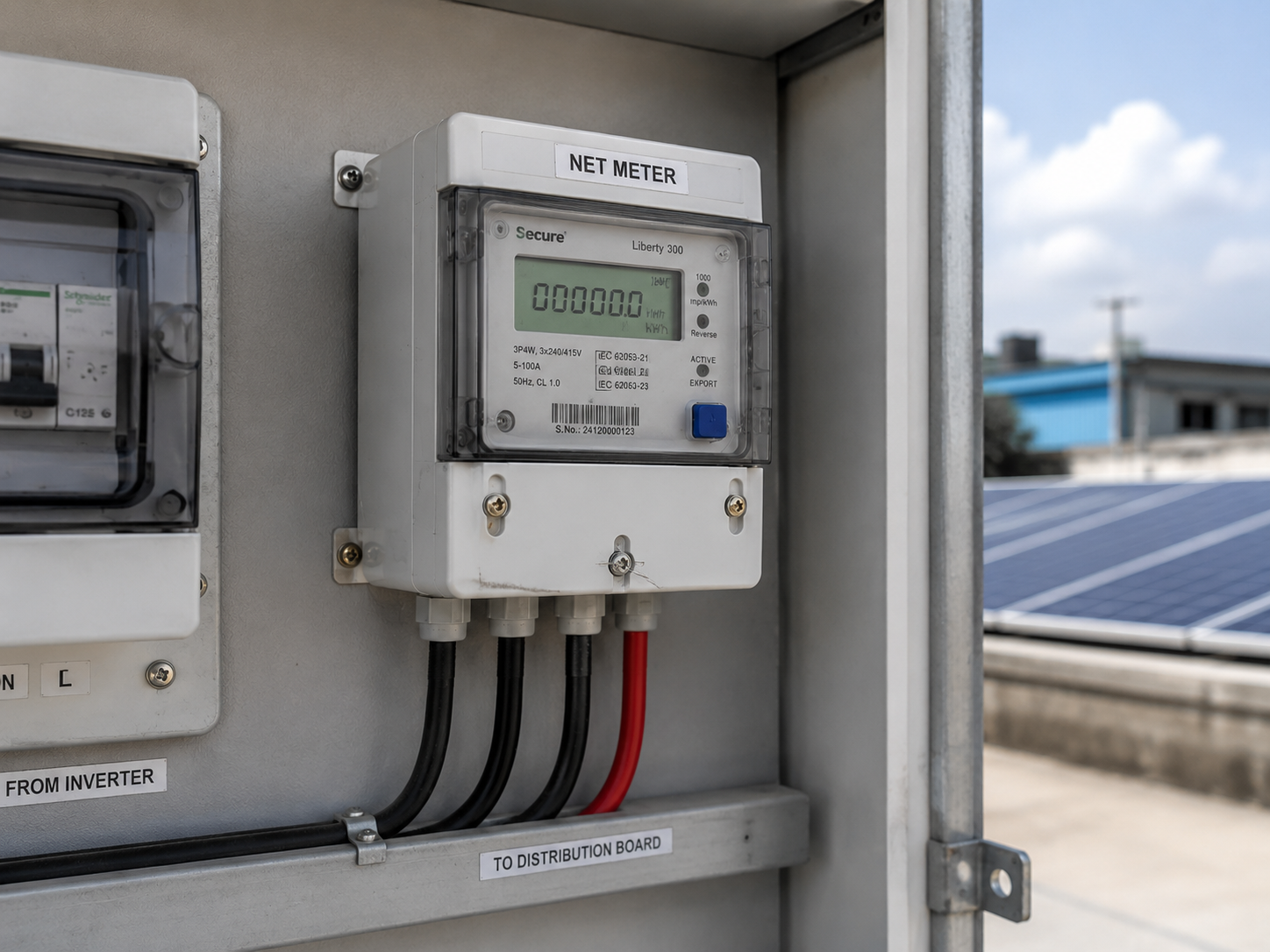
- Use net metering so surplus is credited — see on-grid and net metering.
Frequently Asked Questions
What is the electricity price per unit in Bangladesh in 2026?
From June 2026, residential rates are ৳5.26 for the first 75 units, ৳8.50 for 76–200, ৳9.10 for 201–300, ৳9.62 for 301–400, ৳15.01 for 401–600 and ৳17.35 above 600 units. Commercial is about ৳15.36 and industry about ৳12.7.
Did the 2026 tariff increase apply to small consumers?
No. BERC withdrew the increase for the lifeline (0–50 units) and 0–75 unit residential slabs on 4 June 2026, keeping them at ৳4.63 and ৳5.26.
How much is the bill for 500 units of electricity?
The energy charge for 500 units is about ৳4,830 under the June 2026 slabs, before demand charge, meter rent and VAT.
What is the electricity rate for mosques, schools and hospitals?
About ৳9.05 per unit from June 2026.
Who saves the most with solar in Bangladesh?
Homes using more than 400 units a month and shops or offices, because solar replaces units priced at about ৳15 or more.
Find Out What Solar Is Worth on Your Bill
Send us your last 12 electricity bills. We will show which slabs solar removes and an approximate payback.
Questions? Call or WhatsApp +880 1805-208117 or email info@frostecsolarpowers.com. Head office: Suite 708/B, Level 7, Zaman Tower, 37/2 Purana Paltan, Dhaka 1000. Figures in this article are indicative and approximate; final values depend on your site survey, design and the manufacturer terms of the equipment supplied.