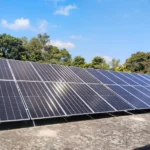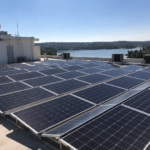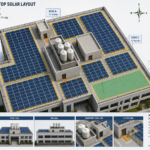

In October 2026 the government approved and issued the Special Solar Power Installation Ordinance, 2026. It is the first law built specifically for rooftop and small-scale solar in Bangladesh, and it answers questions that have slowed projects for years: who pays, who owns the system, how electricity is priced, and what happens if equipment is stolen.
Updated October 2026 · Written and reviewed by the Frostec Solar Powers engineering team
- The ordinance covers solar projects of up to 5 MW on rooftops, courtyards, unused land, tea gardens and water bodies, including floating solar and agrivoltaics.
- OPEX model: a solar company pays for and operates the system; the owner pays nothing upfront and buys the electricity.
- Every OPEX project needs a standard three-party agreement between customer, solar company and a government authority.
- CAPEX buyers in the public sector can procure up to Tk 5 crore through limited tendering, without compulsory e-GP.
- Stealing solar electricity or equipment can bring up to 3 years in prison; damaging equipment up to 5 years or a fine of up to Tk 5 lakh.
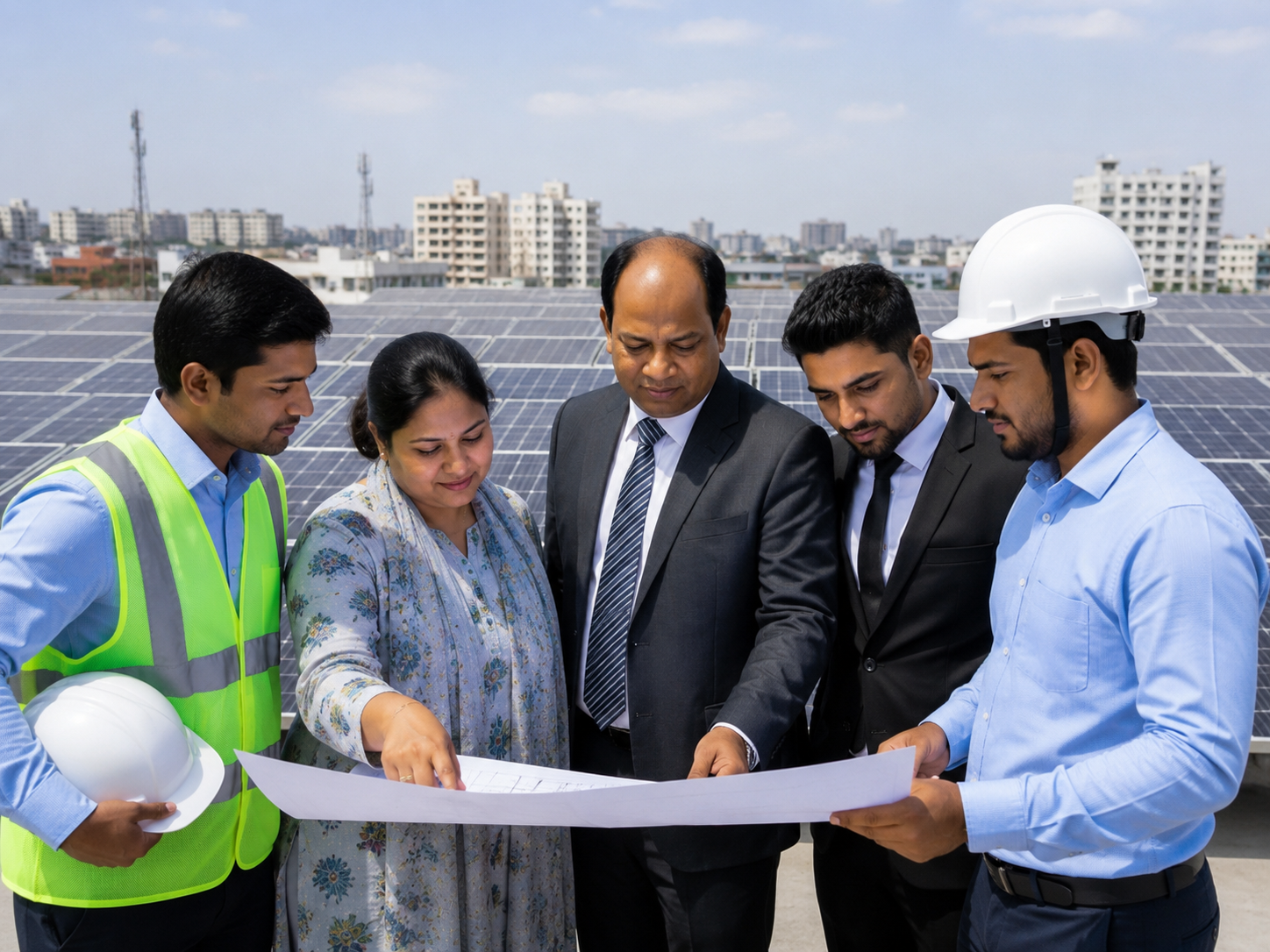
Timeline: how we got here
| Date | Step |
|---|---|
| December 2025 | Power Division circular links rooftop solar to new net-metering connections — see the rules |
| 19 August 2026 | ECNEC decides that ministries, divisions and agencies implement new rooftop solar on their premises under the OPEX model (as cited in a Madrasah Education Board notice) |
| 1 September 2026 | Tk 10.50 per unit incentive for battery-backed rooftop solar — see the incentive guide |
| 18 October 2026 | Cabinet approves the draft Special Solar Power Installation Ordinance, 2026 |
| Week of 19 October 2026 | Ordinance issued, as reported on 22 October 2026 |
What the ordinance covers
- Size: projects of up to 5 MW. Large ground-mounted solar farms are outside its scope.
- Locations: rooftops, courtyards, unused land, tea gardens and water bodies, including floating solar and agrivoltaics (solar combined with farming).
- Business models: OPEX (third-party owned) and CAPEX (owner-financed).
- Net metering: surplus can be exported, credited against bills and paid at rates the government sets.
- Oversight: a National Policy Council headed by the Prime Minister; SREDA keeps records of installed systems and checks that they work.
OPEX vs CAPEX under the new law
| OPEX (third-party owned) | CAPEX (you own it) | |
|---|---|---|
| Upfront cost to owner | None | Full system cost (loans available) |
| Who owns and maintains | The solar company | The owner (often with an AMC) |
| How the owner benefits | Buys solar electricity at an agreed rate below the grid tariff | Keeps all savings and export income |
| Agreement | Standard three-party template: customer, solar company, government authority | Supply and installation contract |
| Best for | Government offices, institutions, owners without capital | Owners who want the highest return |
Reports indicate OPEX agreements may run for around 15 years. Compare the economics in detail in Solar Investment Models: CAPEX vs OPEX.
What the standard OPEX agreement must cover
- Use of the roof or land
- Equipment quality standards
- Electricity price
- Net-metering terms
- Disposal of equipment, including e-waste take-back
What it means for you
Homeowners and apartment buildings
You can still own your system (CAPEX) with a 5–6% loan — see solar loans — or let an investor install it. Theft and vandalism are now criminal offences with real penalties, which protects rooftop systems in shared buildings — see solar for apartment buildings.
Businesses and factories
OPEX now has a clear legal footing, so factories can get solar without capital and without long negotiations on contract structure — see rooftop solar for factories.
Government offices, schools, madrasas and hospitals
Public bodies are directed to use OPEX for new rooftop solar, and CAPEX buyers can procure up to Tk 5 crore through limited tendering. See solar for mosques, madrasas and schools and solar for hospitals.
Investors and EPC companies
Standard agreements reduce legal risk and negotiation time. Quality, monitoring and long-term maintenance now matter more than the lowest installation price, because the OPEX provider earns only from what the system actually produces.
Frequently Asked Questions
What is the Special Solar Power Installation Ordinance, 2026?
A Bangladesh law issued in October 2026 that sets rules for solar projects of up to 5 MW on rooftops, courtyards, unused land, tea gardens and water bodies, including OPEX and CAPEX models, standard agreements, net metering and penalties for theft or damage.
What is the OPEX model for solar?
A solar company pays for, installs and operates the system on your roof. You pay nothing upfront and buy the electricity at an agreed rate. Under the ordinance, OPEX projects need a standard agreement between the customer, the solar company and a government authority.
Does the ordinance apply to large solar farms?
No. It covers projects of up to 5 MW. Large ground-mounted solar farms are outside its scope.
What is the penalty for stealing solar equipment?
Theft of solar electricity or equipment can bring up to three years in prison, a Tk 50,000 fine, or both. Damaging equipment can bring up to five years in prison or a fine of up to Tk 5 lakh.
Who supervises installations under the ordinance?
A National Policy Council headed by the Prime Minister guides policy, and SREDA keeps records of installed systems and checks that they work.
OPEX or CAPEX — Which Fits You?
We model both options for your building — tariff, savings, ownership and risk — so you can decide with numbers.
Questions? Call or WhatsApp +880 1805-208117 or email info@frostecsolarpowers.com. Head office: Suite 708/B, Level 7, Zaman Tower, 37/2 Purana Paltan, Dhaka 1000. Figures in this article are indicative and approximate; final values depend on your site survey, design and the manufacturer terms of the equipment supplied.